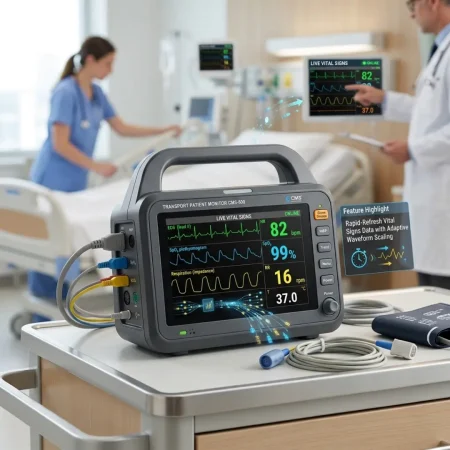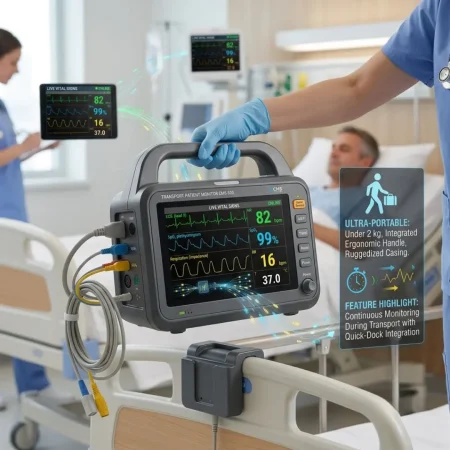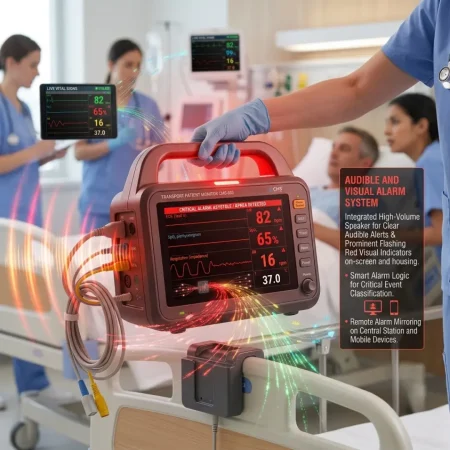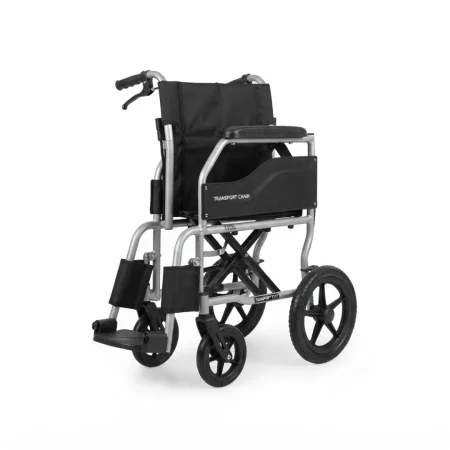
Protection Health Care 247

Products

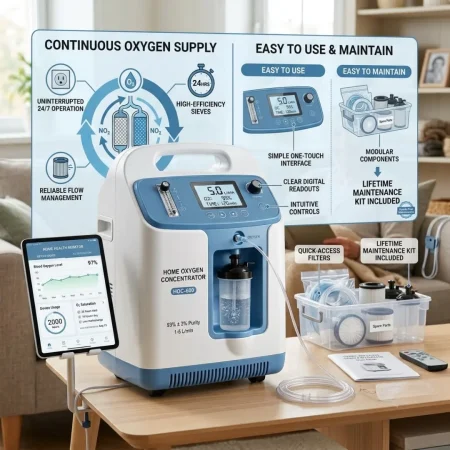
1 LPM oxygen concentrator

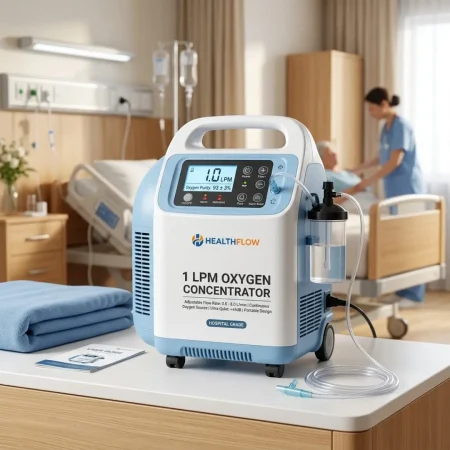
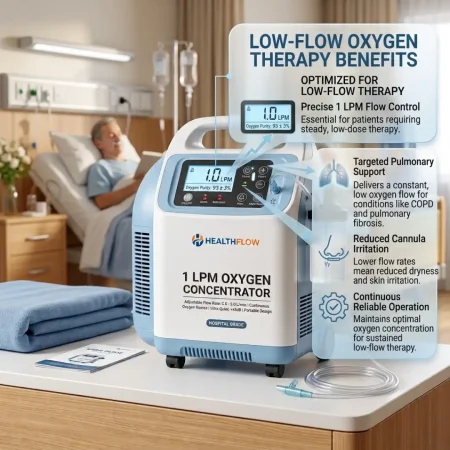
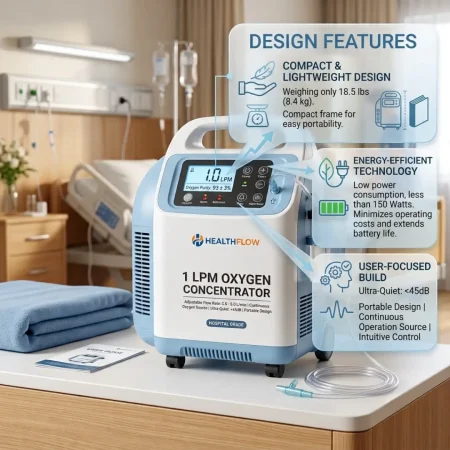
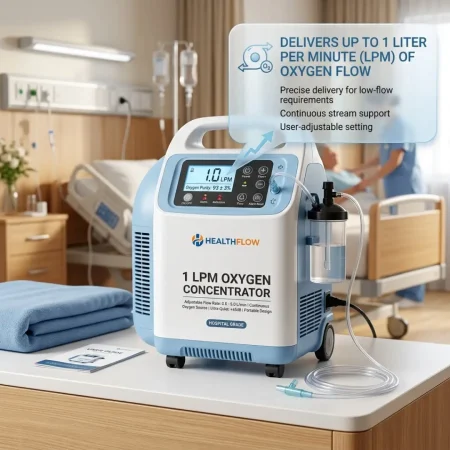
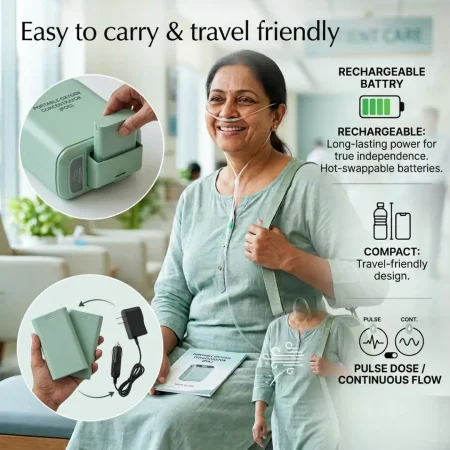
A 1 LPM Oxygen Concentrator is a compact medical device designed to provide a steady supply of supplemental oxygen for individuals who require low-flow oxygen therapy. It works by drawing in room air, removing nitrogen, and delivering concentrated oxygen through a nasal cannula or oxygen mask. With a flow rate of up to 1 liter per minute, it is suitable for prescribed low-flow oxygen needs. Its compact and user-friendly design makes it convenient for home use and routine oxygen support. Before using an oxygen concentrator, always consult a qualified healthcare professional to determine the appropriate oxygen flow rate and duration based on individual medical requirements.

Cylinder Meter

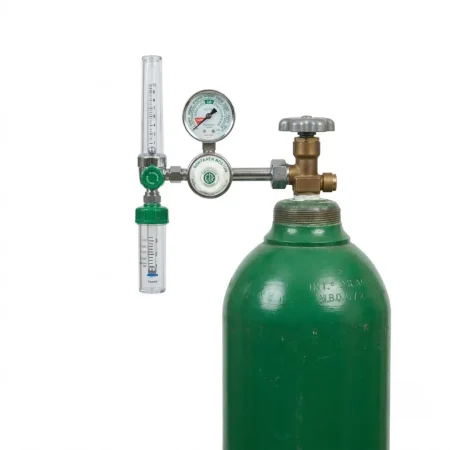
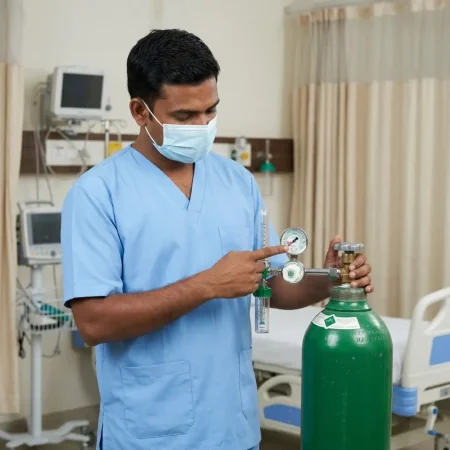
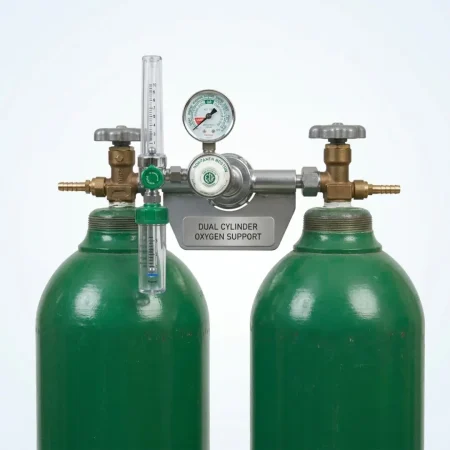
A Cylinder Meter is a useful device designed to monitor and display the pressure or remaining gas level inside a cylinder. It helps users keep track of oxygen or other compressed gases and provides important information for safe and timely cylinder management. The meter is typically easy to read and can be connected to compatible cylinders or regulators. Its clear pressure display allows users to quickly check the cylinder status during regular use. A reliable cylinder meter can be helpful in hospitals, clinics, healthcare facilities, and home-care environments. Always ensure the meter is compatible with the cylinder and gas type, and follow the manufacturer’s instructions for safe and accurate operation.

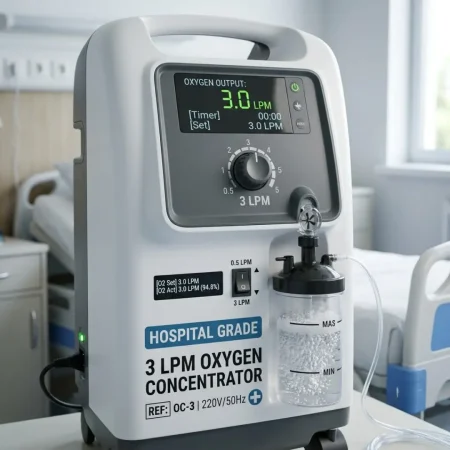
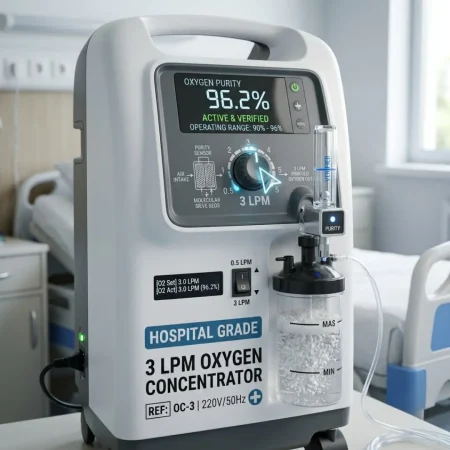
3 LPM Oxygen Concentrator

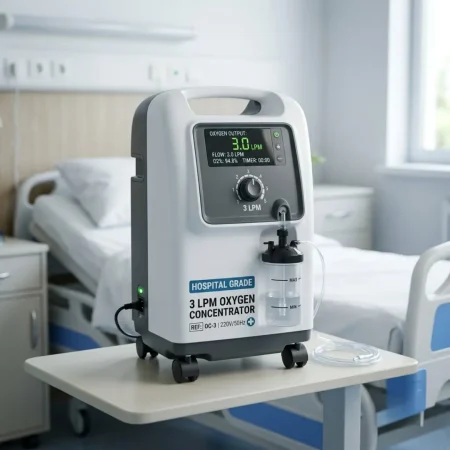
A 3 LPM Oxygen Concentrator is a medical oxygen therapy device designed to deliver a continuous flow of concentrated oxygen at up to 3 liters per minute. It works by taking in surrounding air, filtering out nitrogen, and supplying oxygen through a nasal cannula or oxygen mask. Its compact design makes it suitable for home care, clinics, and other healthcare environments where prescribed oxygen support is required. The device is generally easy to operate and can provide a consistent oxygen supply without requiring frequent cylinder refills. Oxygen flow should always be set according to a healthcare professional’s prescription. Regular maintenance and proper cleaning help ensure reliable performance and safe operation over time.

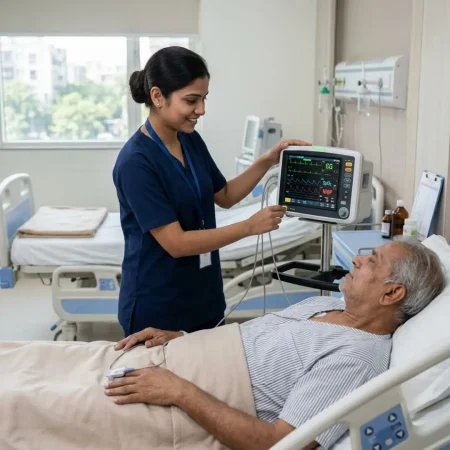
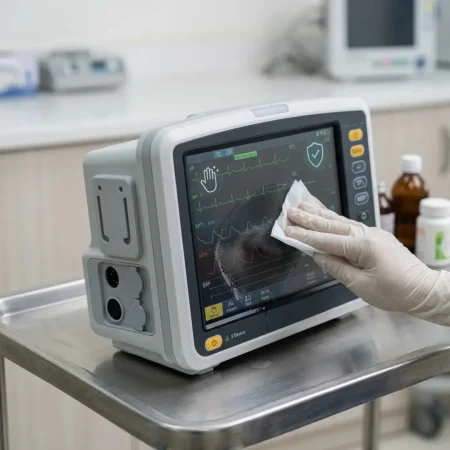
3 Para Monitor

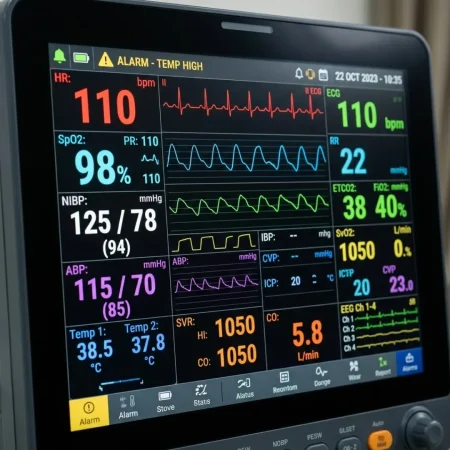
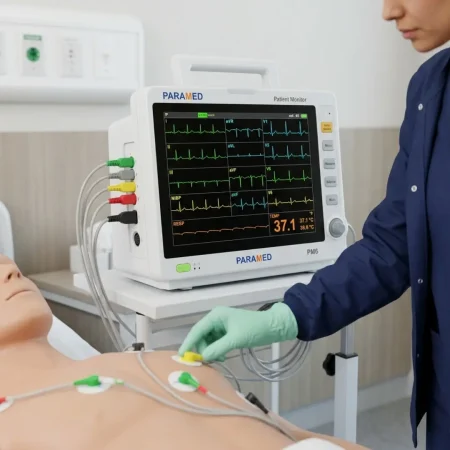
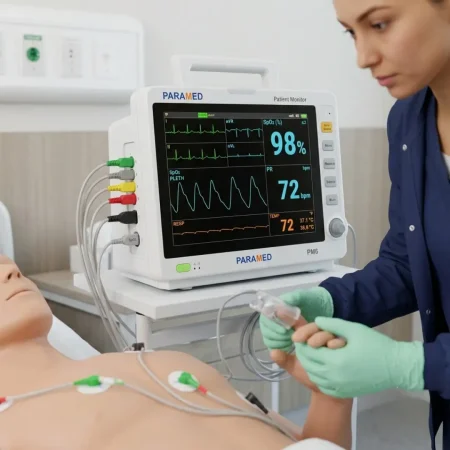
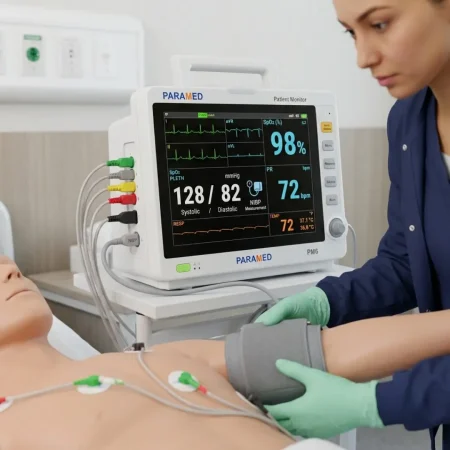
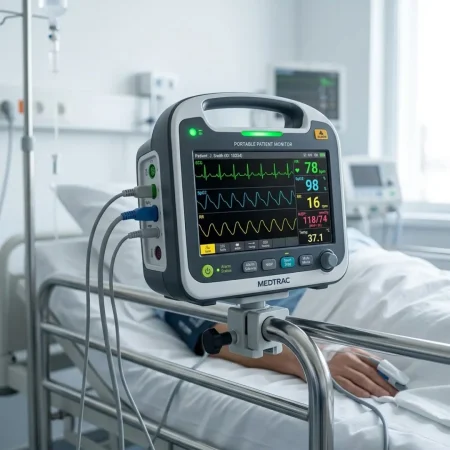
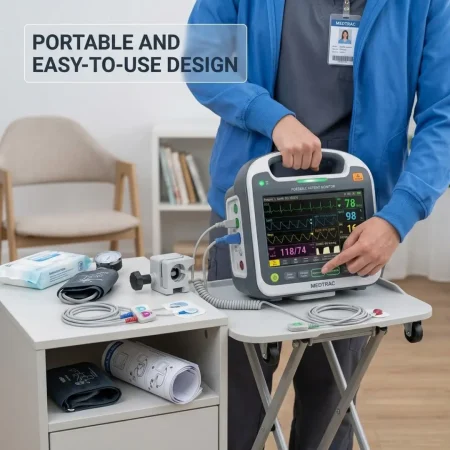
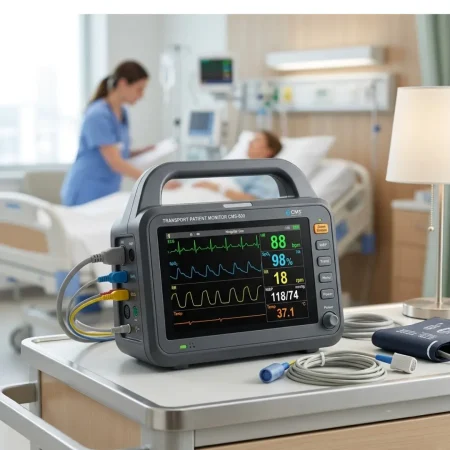
A 3 Para Monitor is a compact patient monitoring device designed to measure and display three essential vital signs, commonly including ECG, SpO₂, and NIBP (blood pressure). It provides healthcare professionals with quick and clear information about a patient’s vital condition during routine monitoring, examinations, and clinical care. With a user-friendly display and simple controls, the monitor can be suitable for hospitals, clinics, nursing homes, and other healthcare settings. Its compact design makes it convenient for different patient-care environments. Reliable measurements depend on proper sensor placement, correct cuff size, and appropriate operation. The device should be used by trained healthcare professionals according to the manufacturer’s instructions and clinical requirements.

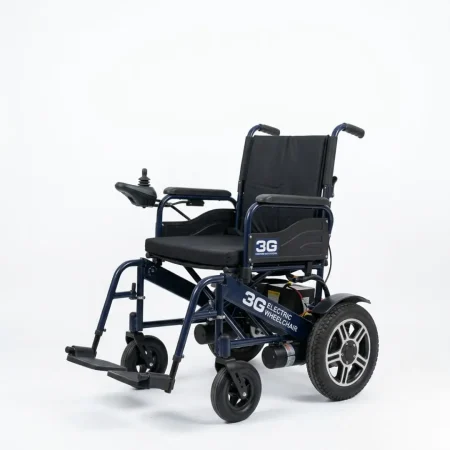
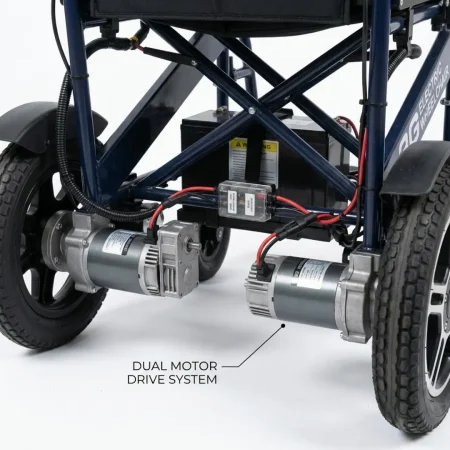
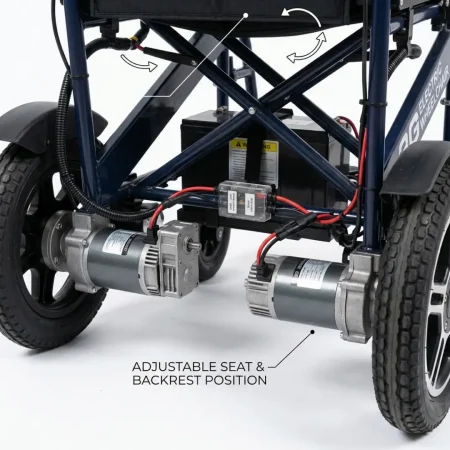
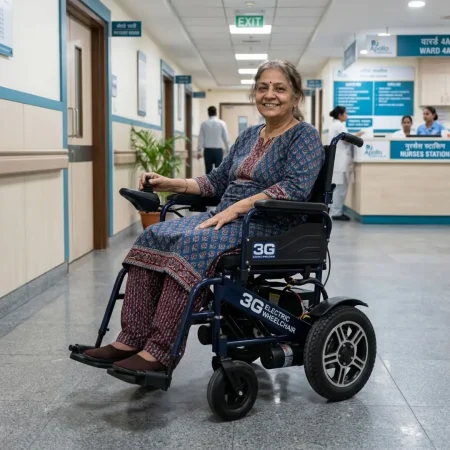
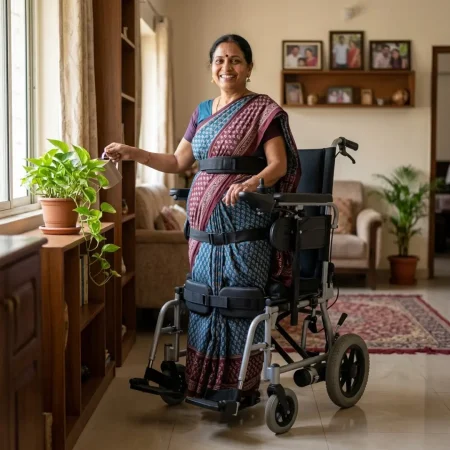
3G Electric Wheelchair

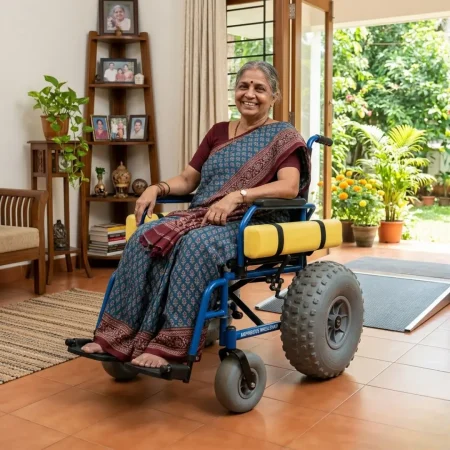
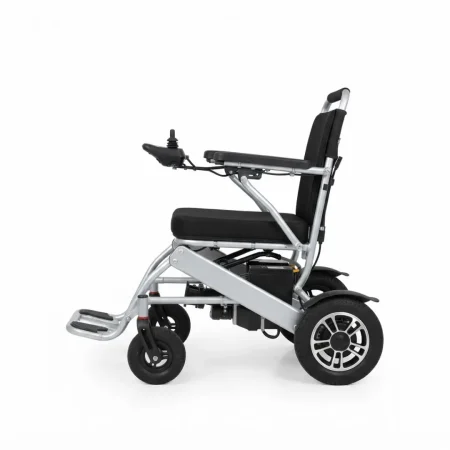
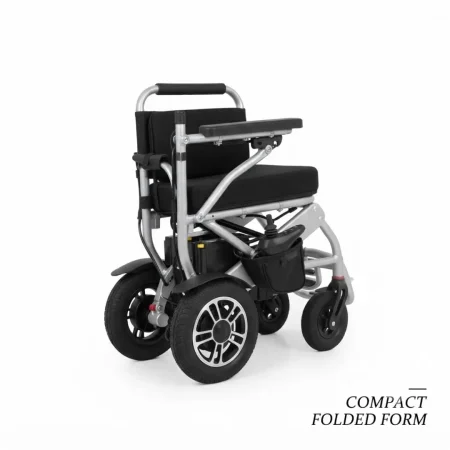
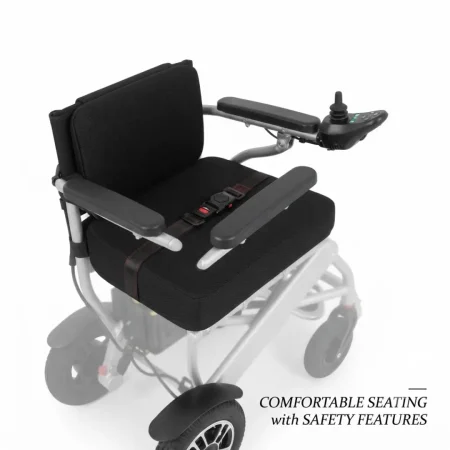
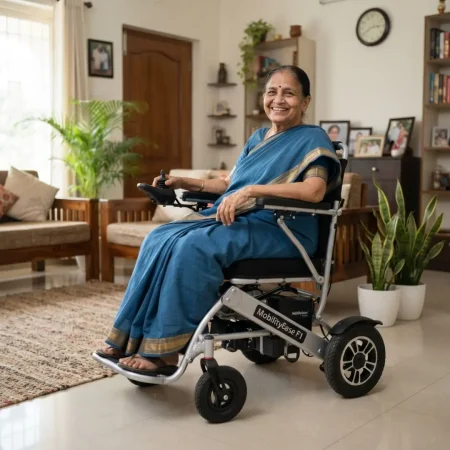
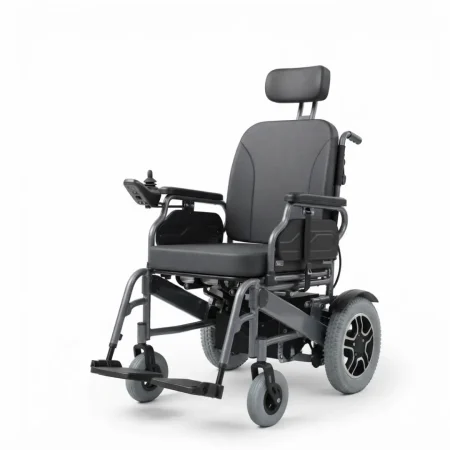
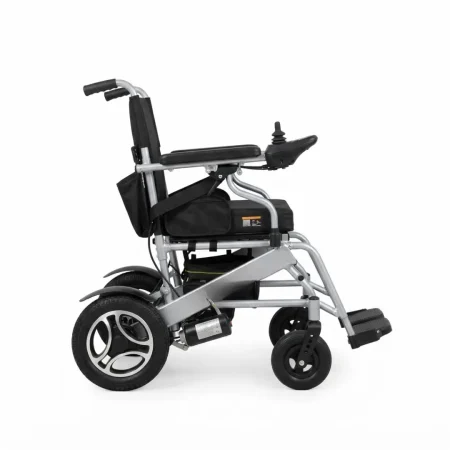
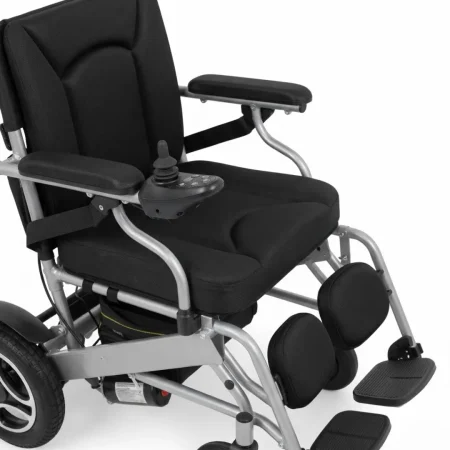
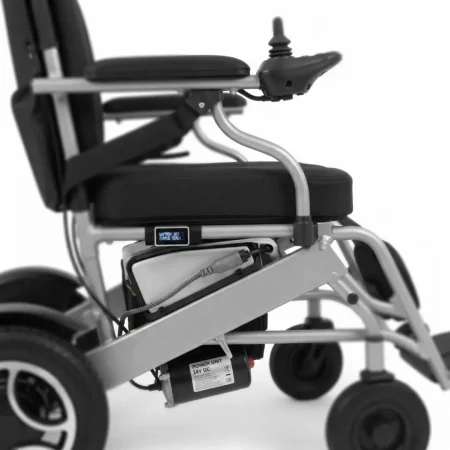
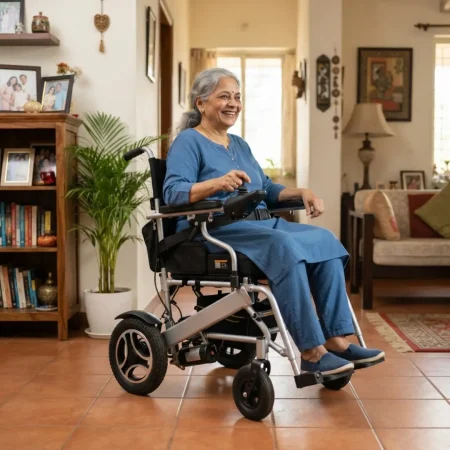
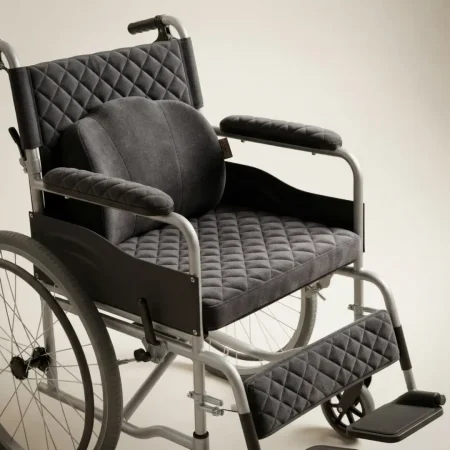
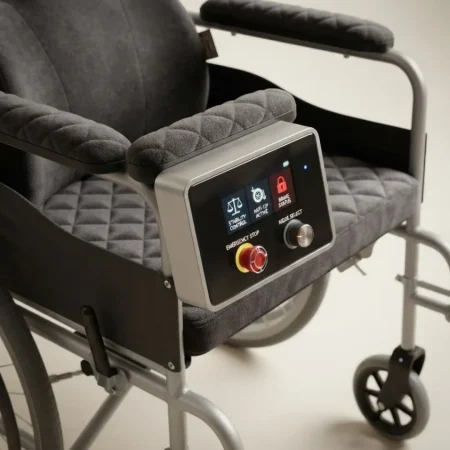
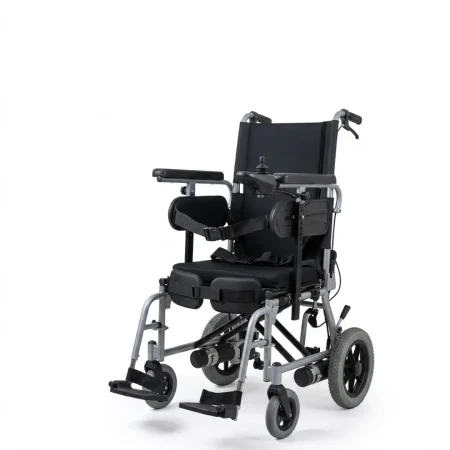
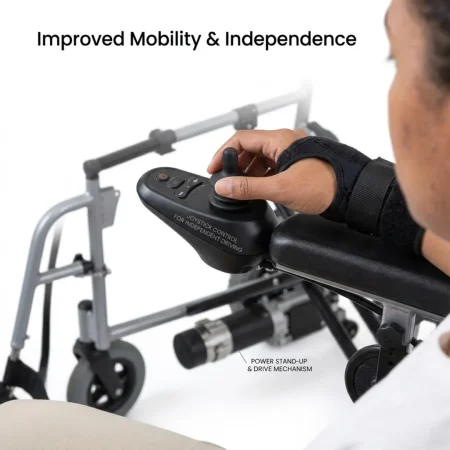
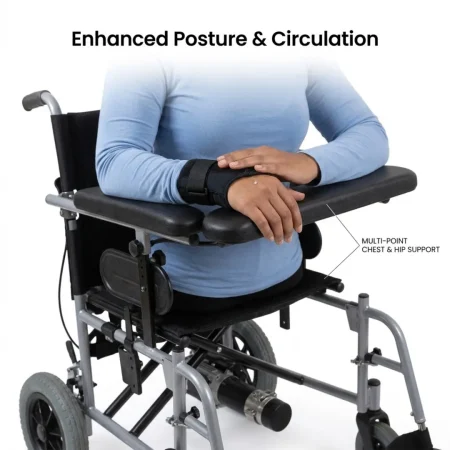
A 3G Electric Wheelchair is a powered mobility solution designed to provide comfortable and convenient movement for individuals with limited mobility. Equipped with an electric motor and rechargeable battery, it allows users to move independently with simple controls. Its supportive seating, stable frame, and maneuverable design make it suitable for use at home, hospitals, care facilities, and other accessible environments. The wheelchair can help users travel across smooth indoor and outdoor surfaces while reducing the physical effort required for movement. Features may vary by model and can include adjustable controls, comfortable armrests, footrests, and safety brakes. Users should follow the manufacturer’s instructions and safety guidelines for proper operation and maintenance.

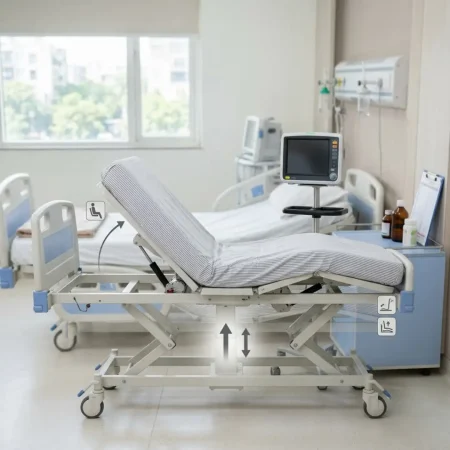
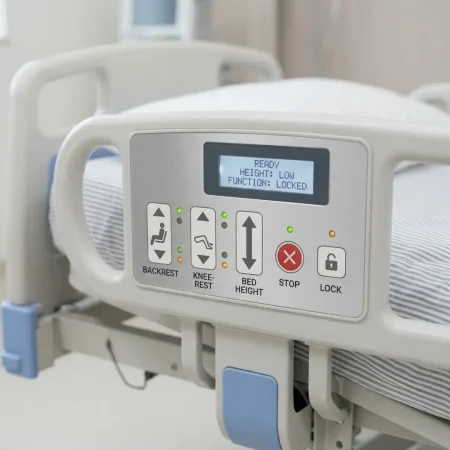
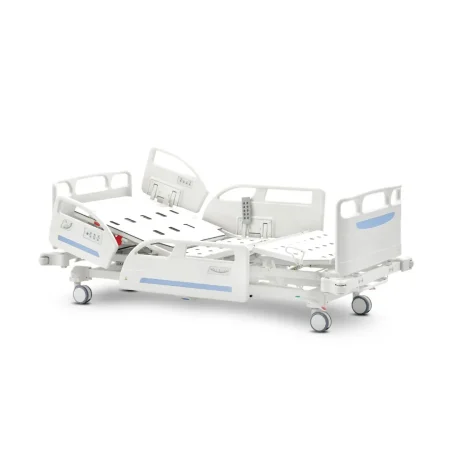
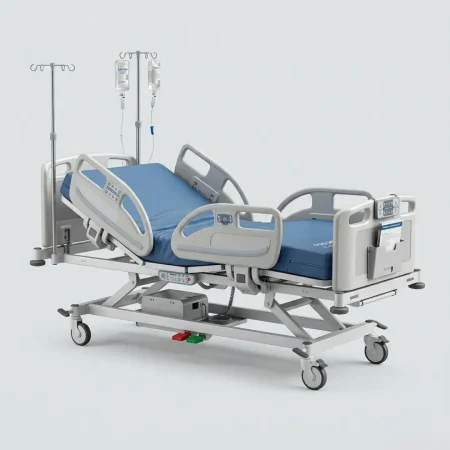
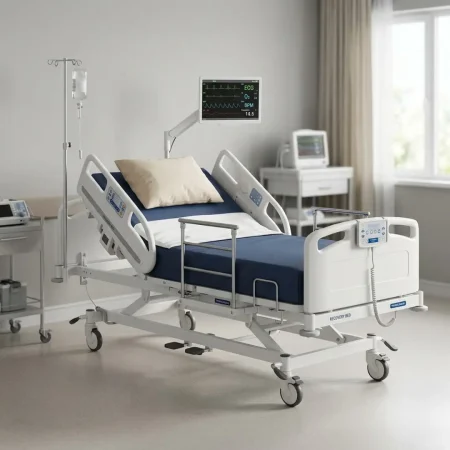
5 Functional Electric Hospital Bed
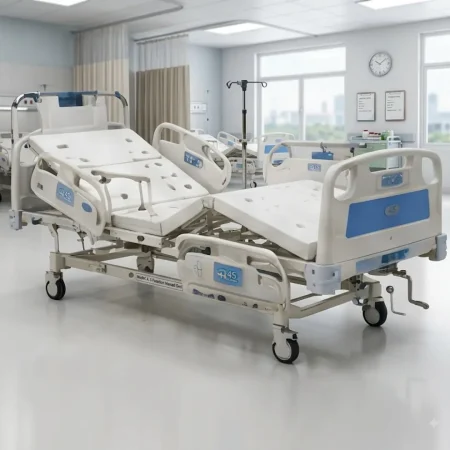
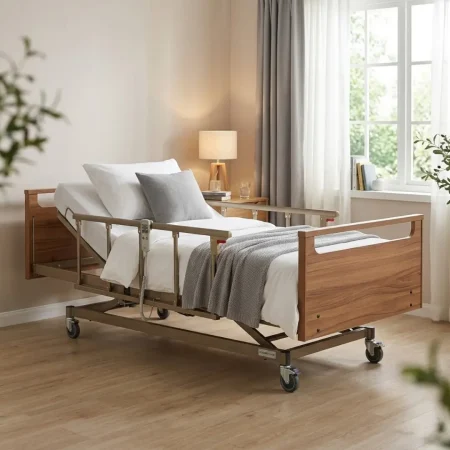
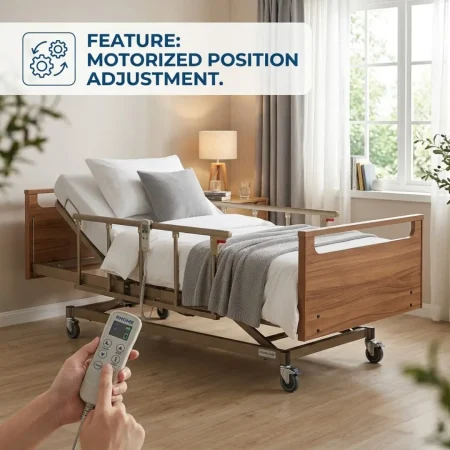
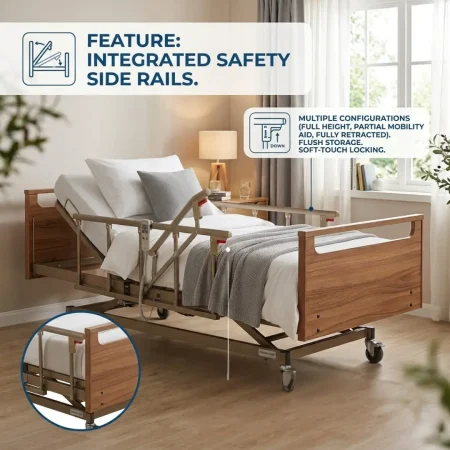
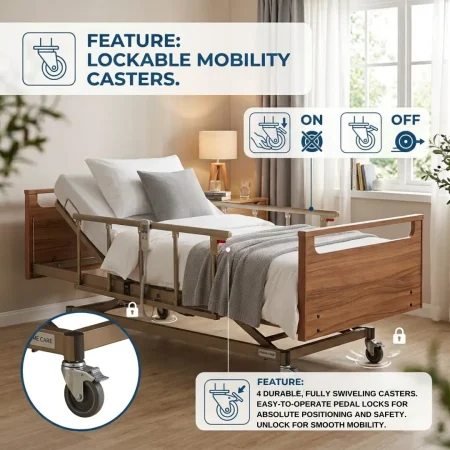
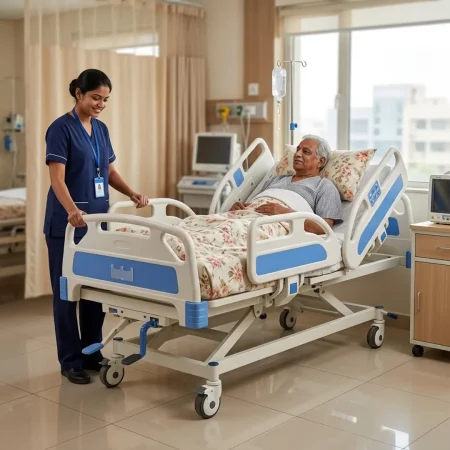
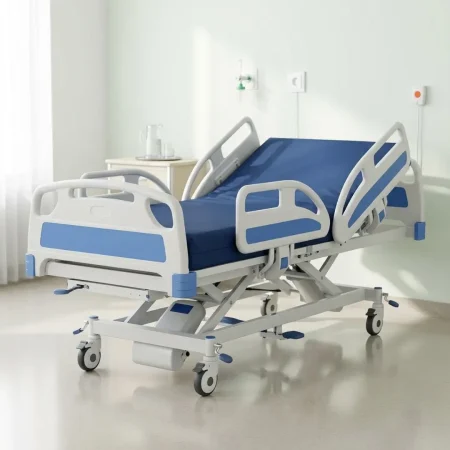
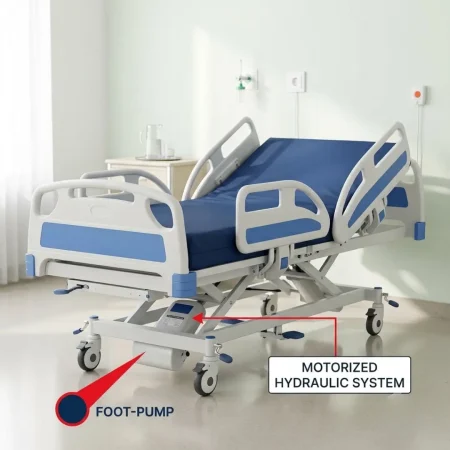
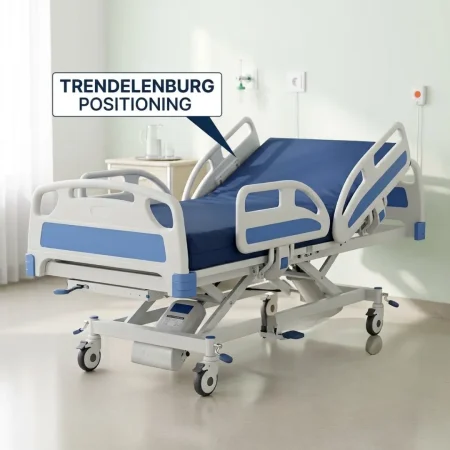
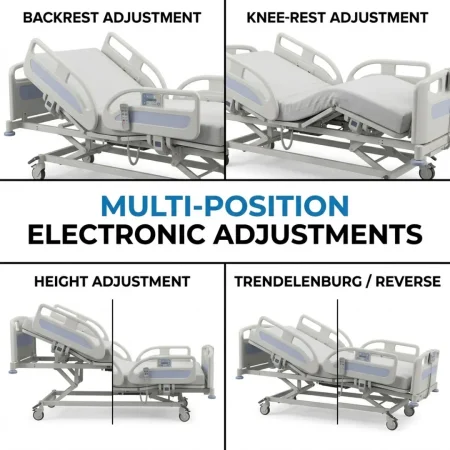
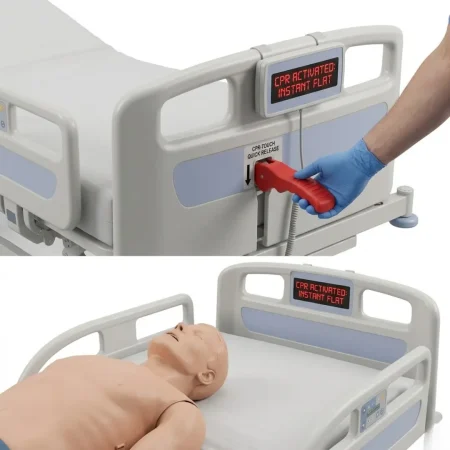
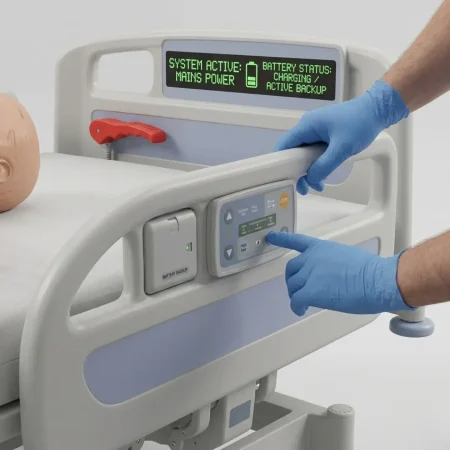
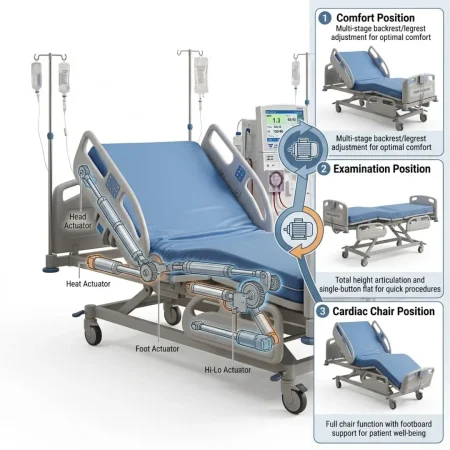
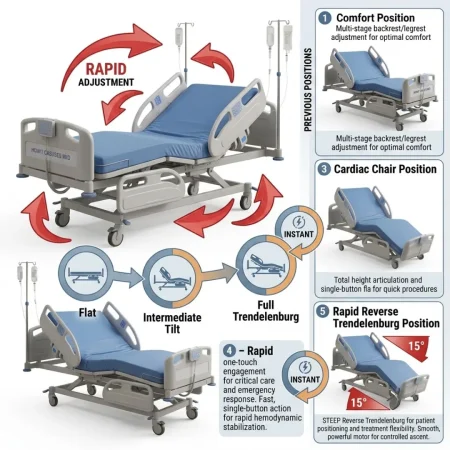
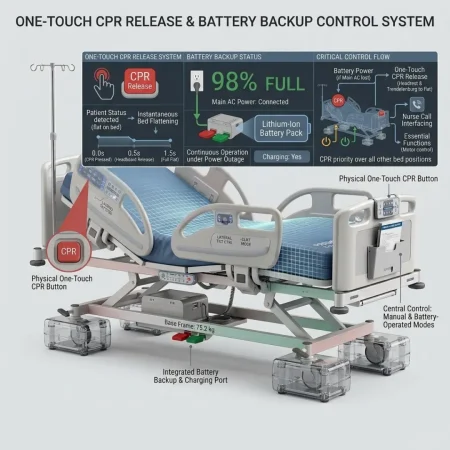
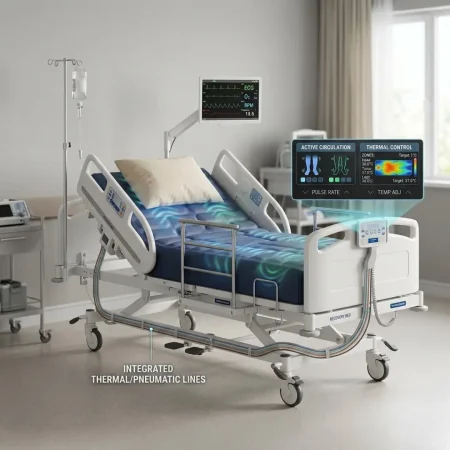
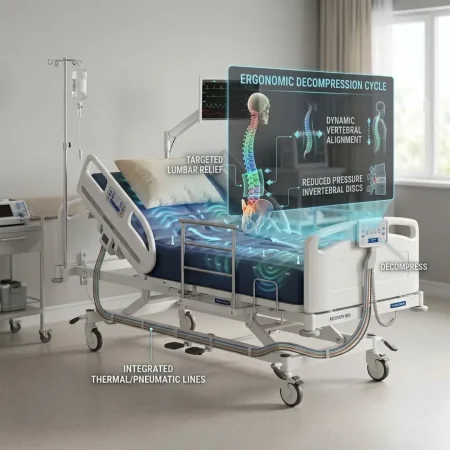
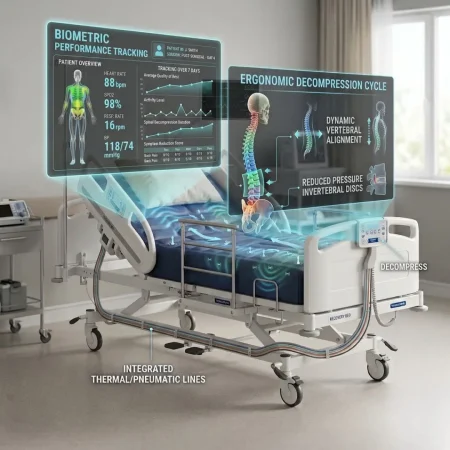
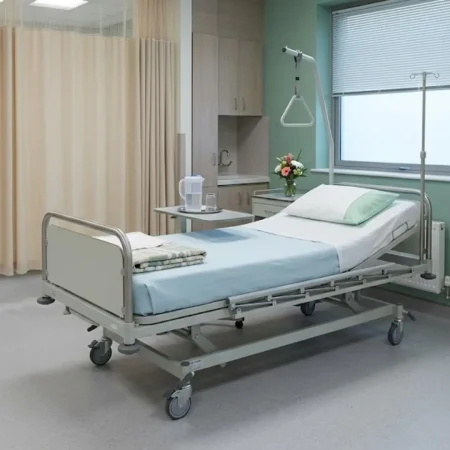
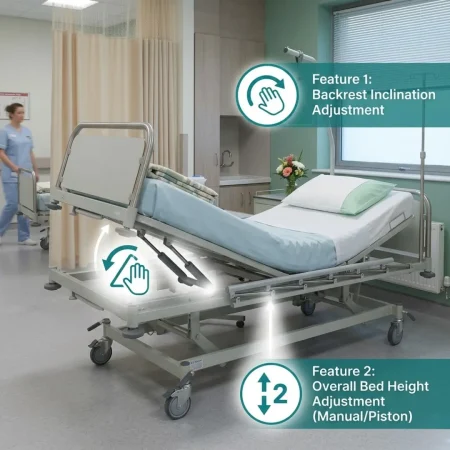
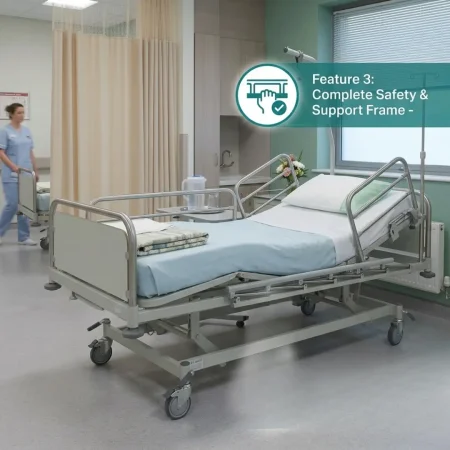
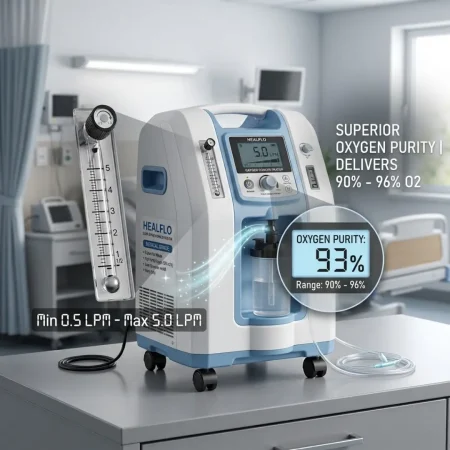
A 5 Functional Electric Hospital Bedis an advanced patient-care bed designed to provide comfort, positioning flexibility, and support in hospitals, clinics, nursing homes, and home-care environments. Its multiple electrically operated functions allow caregivers to adjust the backrest, leg section, height, and other positions according to patient and care requirements. The adjustable design can make patient handling, examinations, feeding, resting, and transfers more convenient. Many models include side rails, locking casters, a durable frame, and a comfortable mattress platform for added safety and usability. Electric controls enable smooth positioning with minimal manual effort. The bed should be operated according to the manufacturer’s guidelines and the specific needs of the patient.

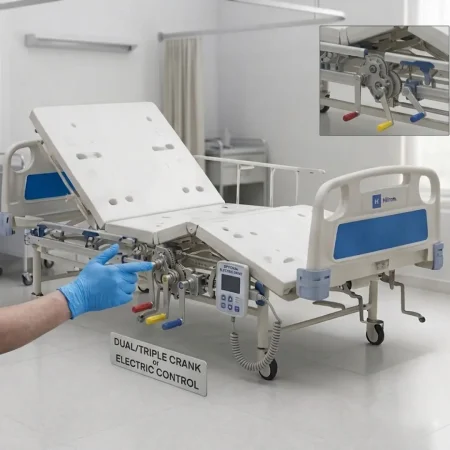
5 Functional Hospital Bed Manual
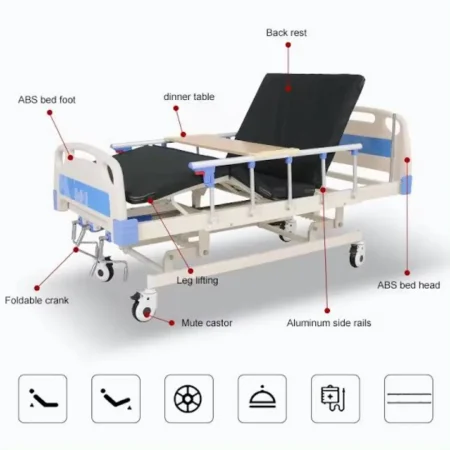
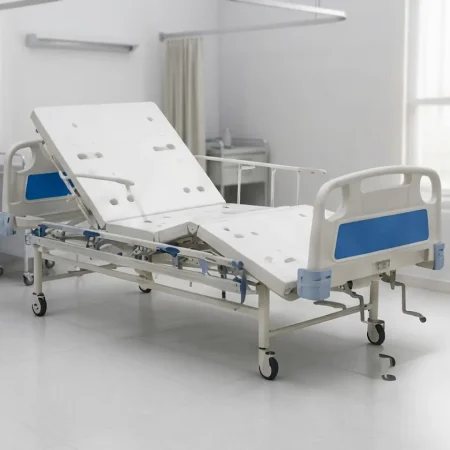
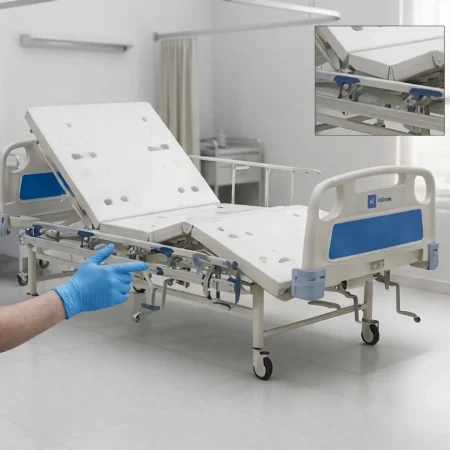
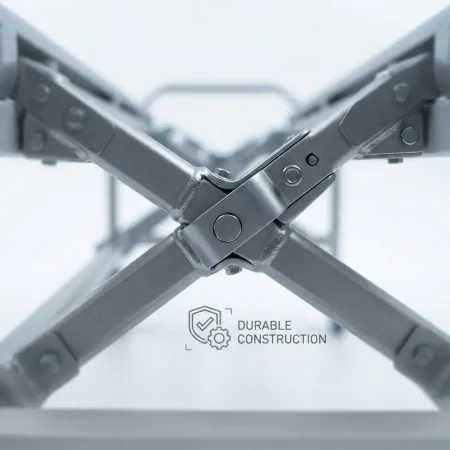
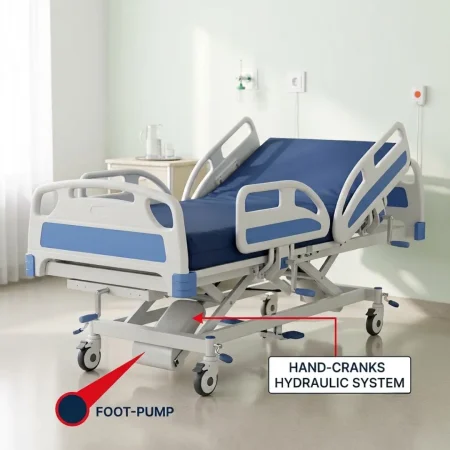
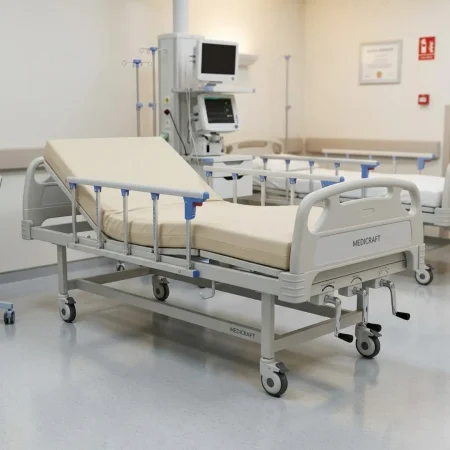
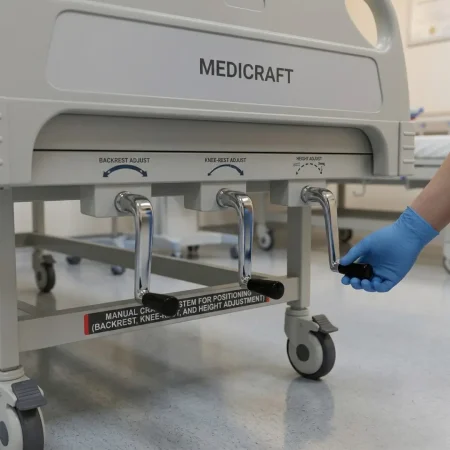
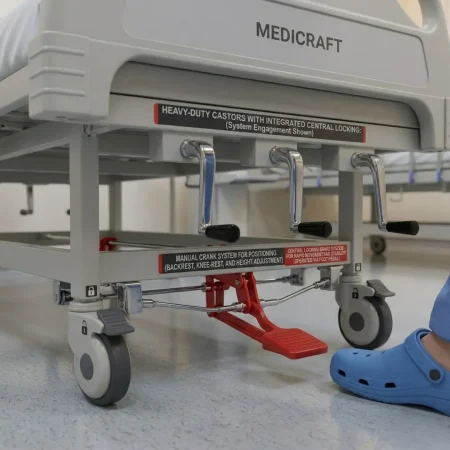
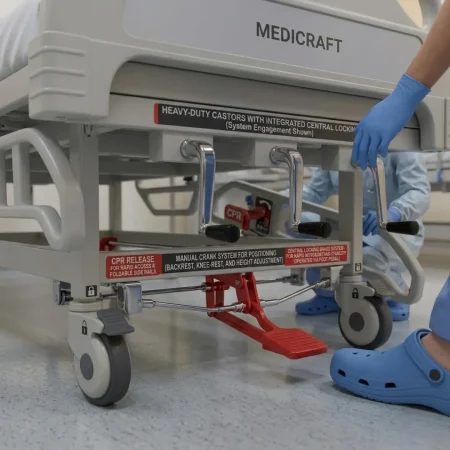
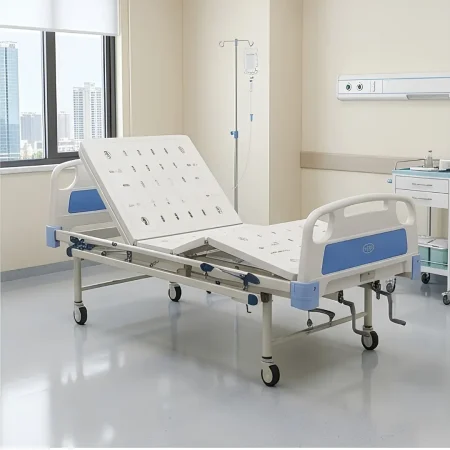
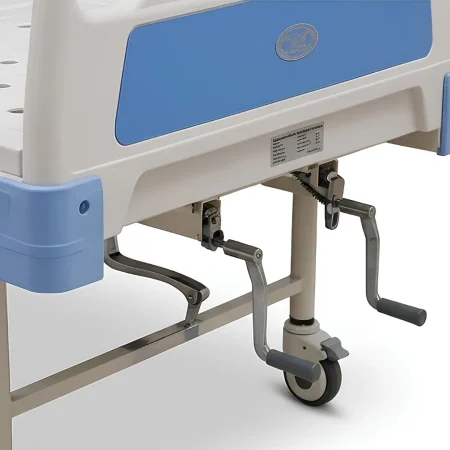
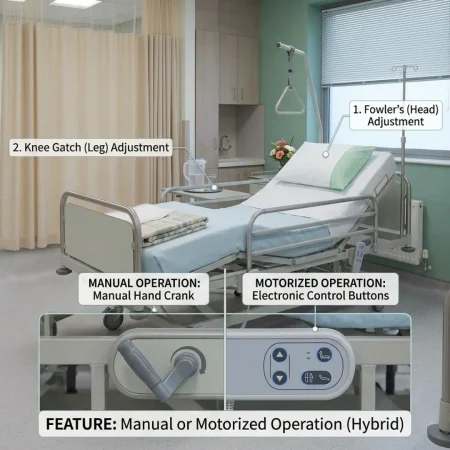
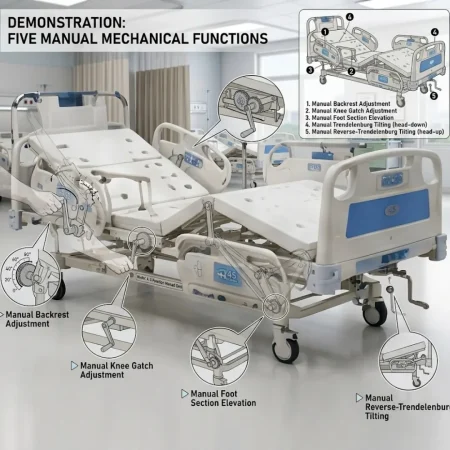
A 5 Functional Manual Hospital Bed is a versatile patient-care solution designed to provide comfort, safety, and convenient positioning in hospitals, clinics, nursing homes, and home-care settings. It offers five adjustable functions that can be operated manually using hand cranks, allowing caregivers to position the patient according to their care requirements. Adjustable sections may include the backrest, leg section, bed height, and other positioning features. A strong frame, locking wheels, side rails, and durable construction provide stability and support during daily use. The manual operation does not require electricity, making the bed practical for different healthcare environments. Proper operation and regular maintenance should follow the manufacturer’s instructions.

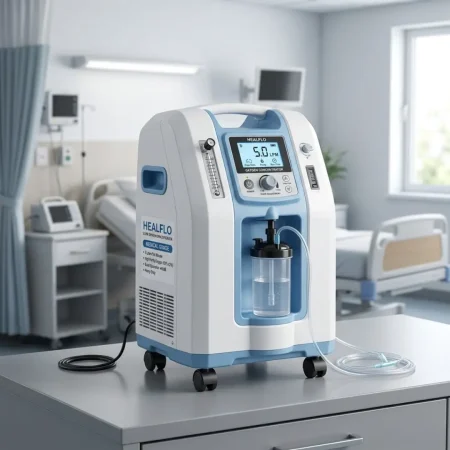
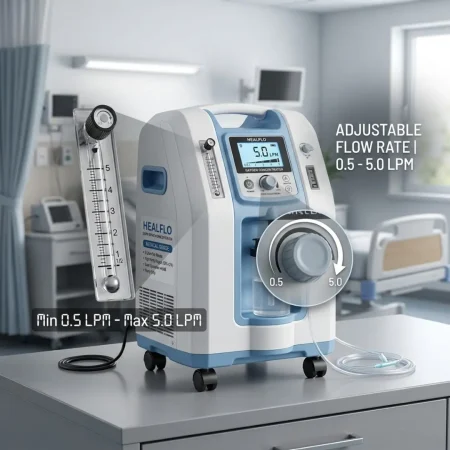
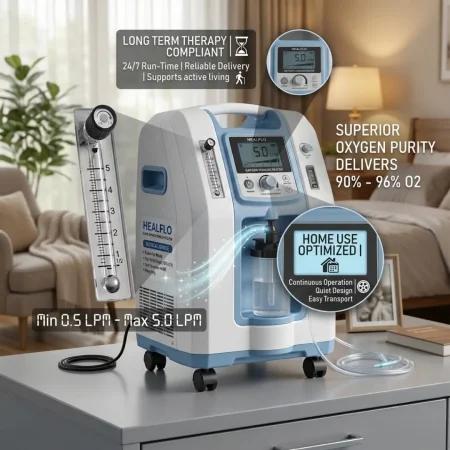
5 LPM Oxygen Concentrator

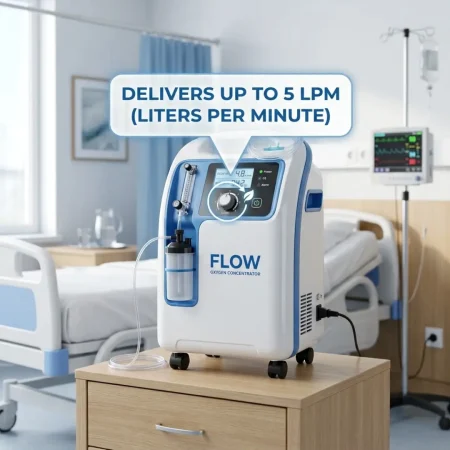
A 5 LPM Oxygen Concentrator is a medical oxygen therapy device designed to provide a continuous supply of concentrated oxygen at a flow rate of up to 5 liters per minute. It works by drawing in room air, filtering out nitrogen, and delivering concentrated oxygen through a nasal cannula or oxygen mask. Its reliable performance and continuous operation make it suitable for prescribed oxygen therapy in homes, clinics, hospitals, and healthcare facilities. The device is designed for convenient operation and can help reduce the need for frequent oxygen cylinder replacement. Oxygen flow should always be set according to a healthcare professional’s prescription. Regular cleaning, maintenance, and proper handling are important for safe and effective use.

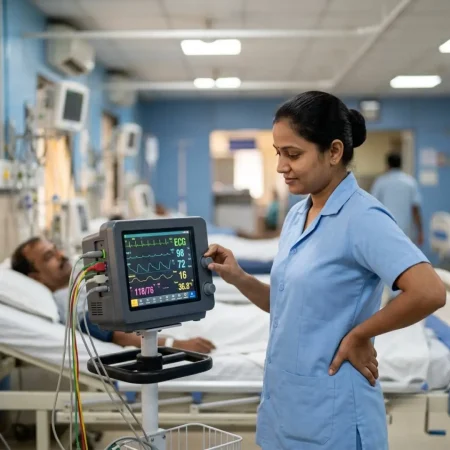
5 Para Monitor

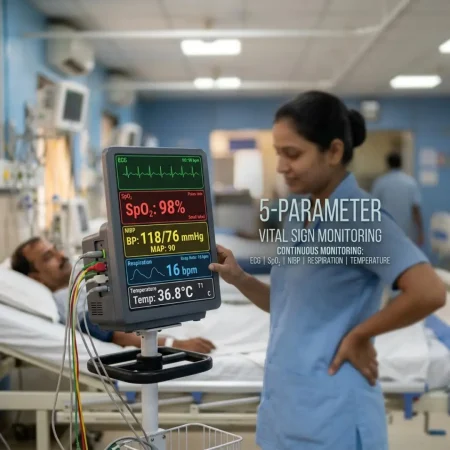
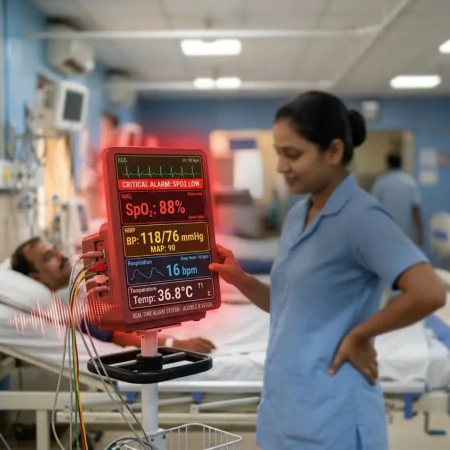
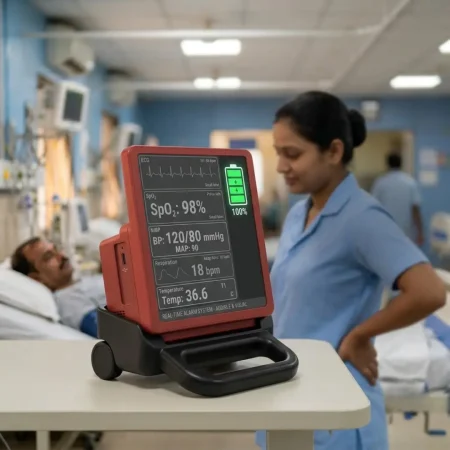
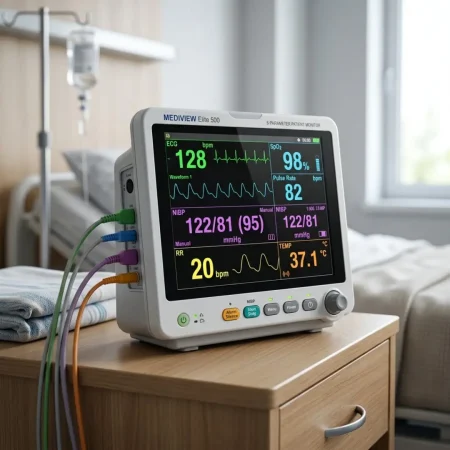
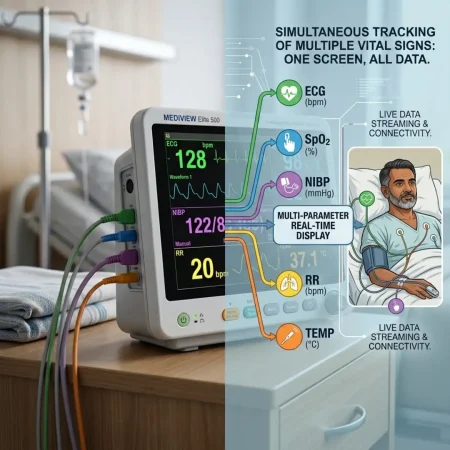
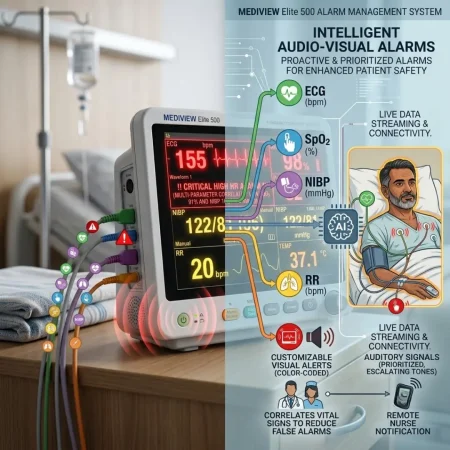
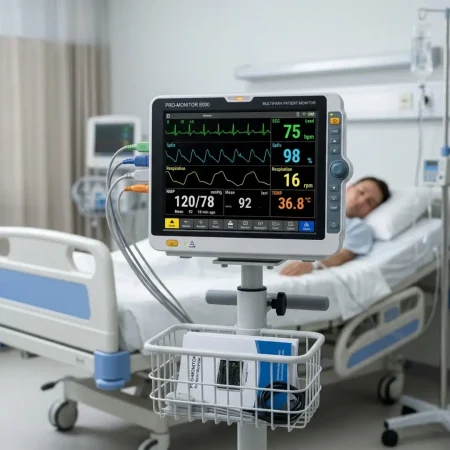
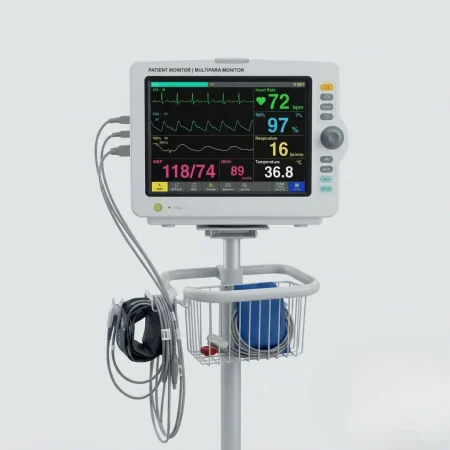
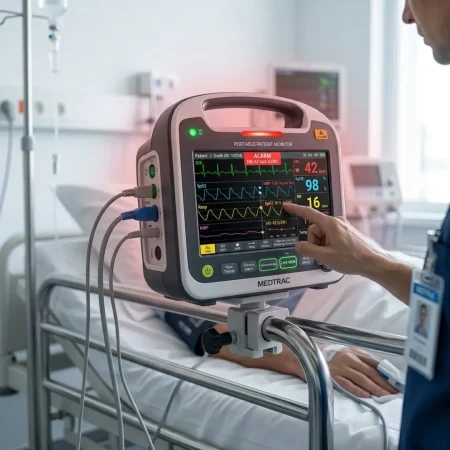
A 5 Para Monitor is an advanced patient monitoring device designed to continuously display five important vital parameters, commonly including ECG, SpO₂, NIBP, temperature, and respiration rate. It provides healthcare professionals with clear and timely information about a patient’s condition during examinations, treatment, and routine monitoring. The monitor typically features a clear display, easy-to-use controls, and customizable alarm settings for efficient patient observation. It is suitable for hospitals, clinics, nursing homes, emergency departments, and other healthcare environments. Accurate monitoring depends on proper sensor placement, correct cuff size, and appropriate operation. The device should be used by trained healthcare professionals according to clinical requirements and manufacturer instructions.

5 Parameter Patient Monitor

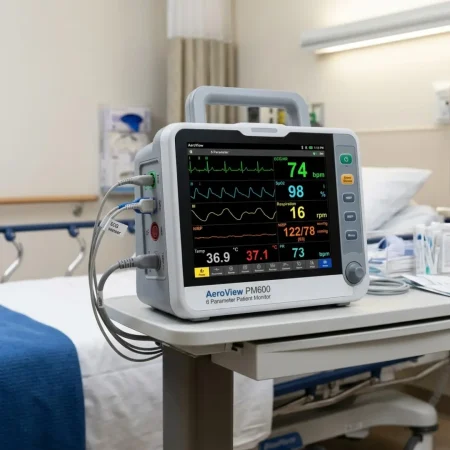
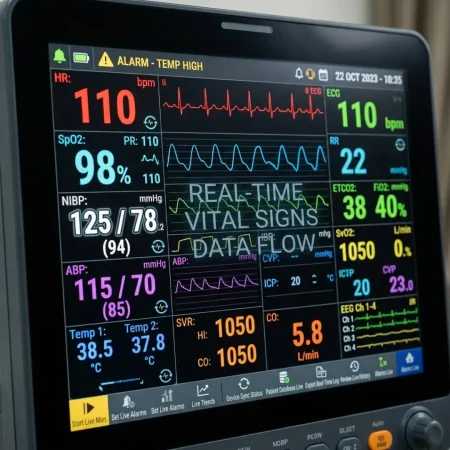
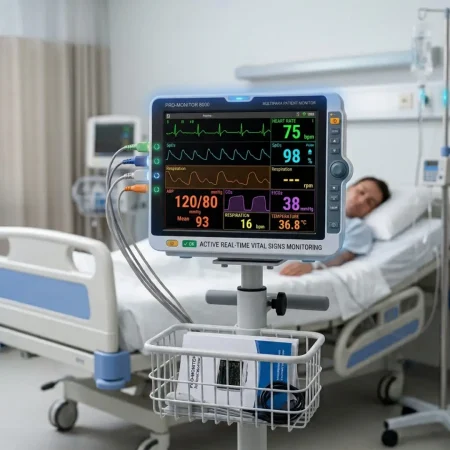
A 5 Parameter Patient Monitor is a reliable medical device designed to continuously monitor and display five essential patient parameters, including ECG, SpO₂, NIBP, respiration rate, and temperature. It helps healthcare professionals observe a patient’s vital signs accurately during examinations, treatment, surgery, and routine care. The monitor features a clear digital display and user-friendly controls for convenient operation and efficient observation. It is suitable for hospitals, clinics, ICUs, emergency departments, nursing homes, and other healthcare facilities. Proper sensor placement and correct measurement techniques are important for dependable readings. The device should be operated by trained medical personnel according to clinical requirements and the manufacturer’s instructions.

6 Parameter Patient Monitor

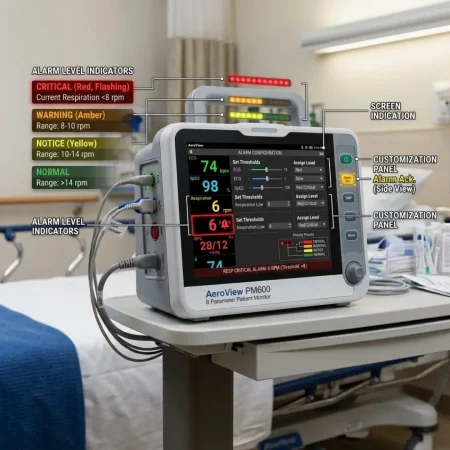
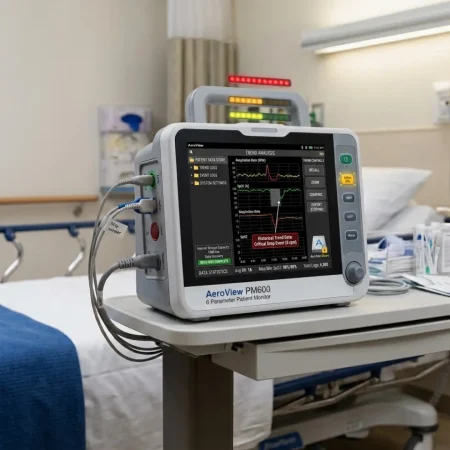
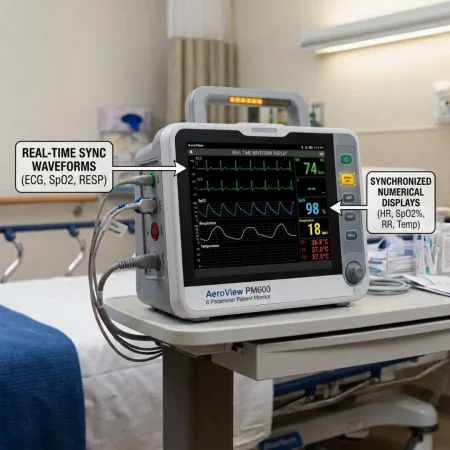
A 6 Parameter Patient Monitor is an advanced medical monitoring device designed to continuously measure and display six essential patient parameters, commonly including ECG, SpO₂, NIBP, respiration rate, temperature, and pulse rate. It helps healthcare professionals monitor patients efficiently during examinations, treatment, surgery, emergency care, and recovery. With a clear digital display, alarm indications, and user-friendly controls, the monitor supports accurate and convenient patient observation. It is suitable for hospitals, ICUs, clinics, emergency departments, nursing homes, and other healthcare facilities. Proper sensor placement and correct operating procedures are essential for reliable readings. The monitor should be used by trained healthcare professionals according to clinical needs and manufacturer instructions.

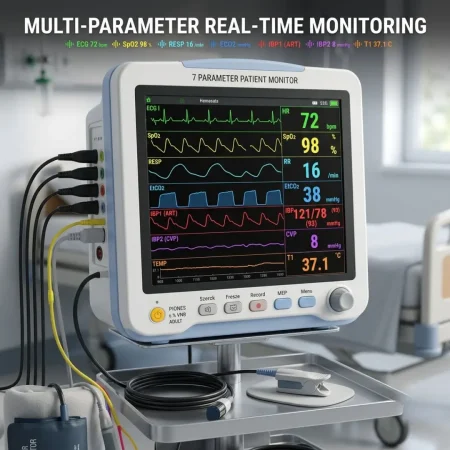
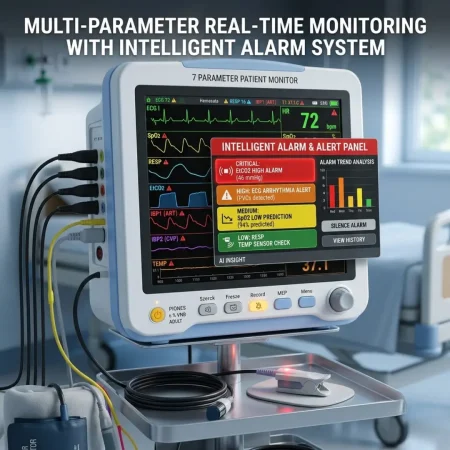
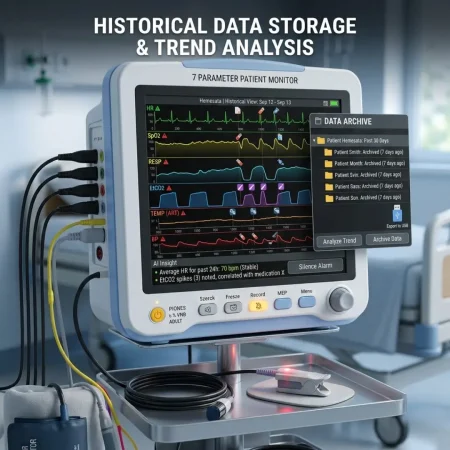
7 Parameter Patient Monitor

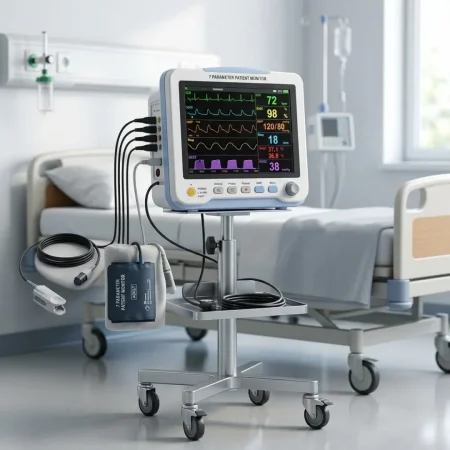
A 7 Parameter Patient Monitor is an advanced medical monitoring device designed to continuously measure and display seven essential patient parameters, commonly including ECG, SpO₂, NIBP, respiration rate, temperature, pulse rate, and heart rate. It helps healthcare professionals monitor vital signs during examinations, treatment, surgery, emergency care, and recovery. The monitor features a clear digital display, alarm indicators, and user-friendly controls for efficient patient observation. It is suitable for hospitals, ICUs, clinics, emergency departments, nursing homes, and other healthcare settings. Proper sensor placement and correct operating procedures are important for dependable readings. The device should be operated by trained healthcare professionals according to clinical requirements and manufacturer instructions.

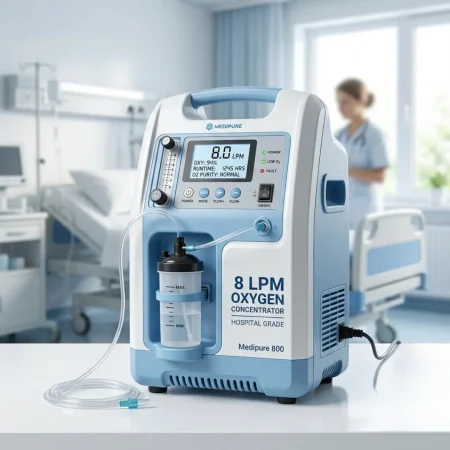
8 LPM Oxygen Concentrator

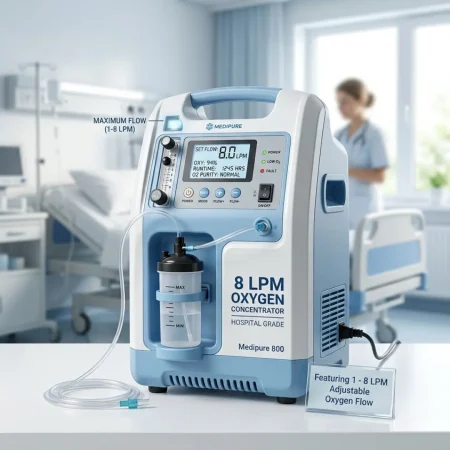
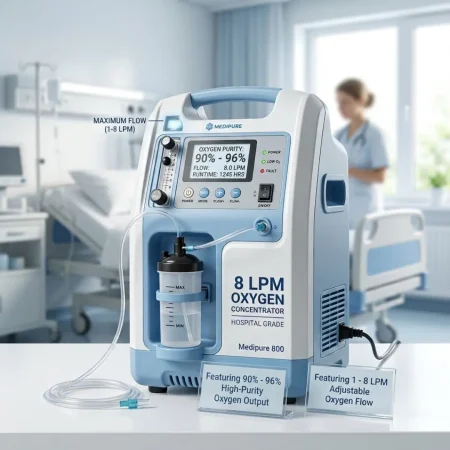
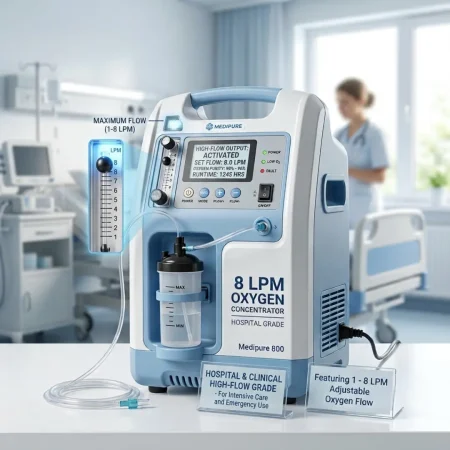
An 8 LPM Oxygen Concentrator is a high-flow medical oxygen therapy device designed to provide a continuous supply of concentrated oxygen at a flow rate of up to 8 liters per minute. It works by drawing in surrounding air, removing nitrogen, and delivering concentrated oxygen through suitable oxygen delivery accessories. The unit can be used in hospitals, clinics, nursing facilities, and home-care environments where higher-flow oxygen therapy has been prescribed. Its continuous operation can provide a convenient alternative to frequent oxygen cylinder replacement. A clear flow control system and user-friendly design support easy operation. Oxygen flow should always be prescribed and adjusted by a qualified healthcare professional according to the patient’s specific needs.

10 LPM Oxygen Concentrator

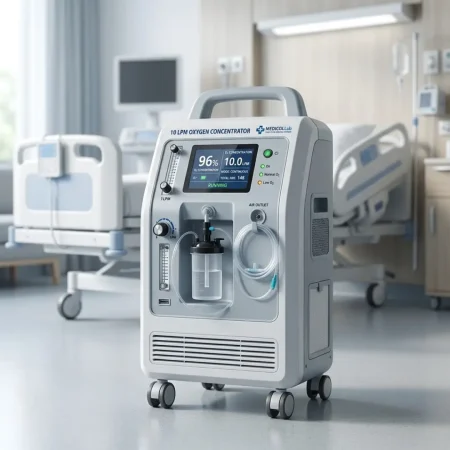
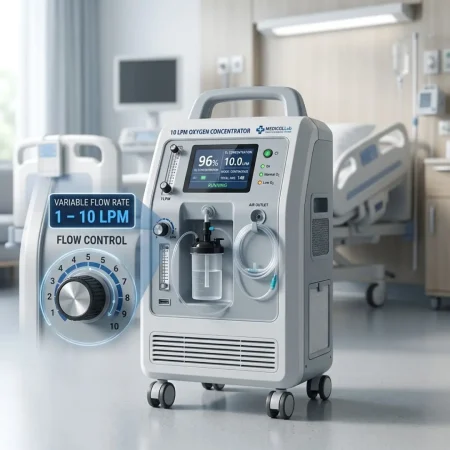
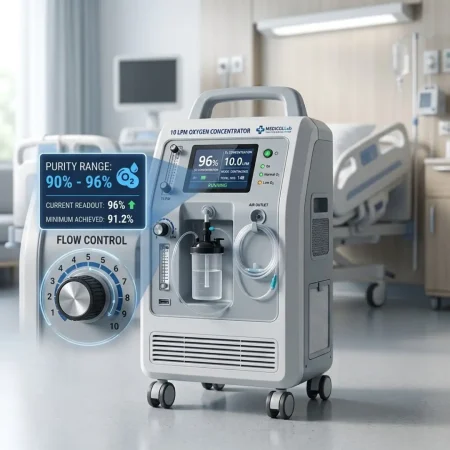
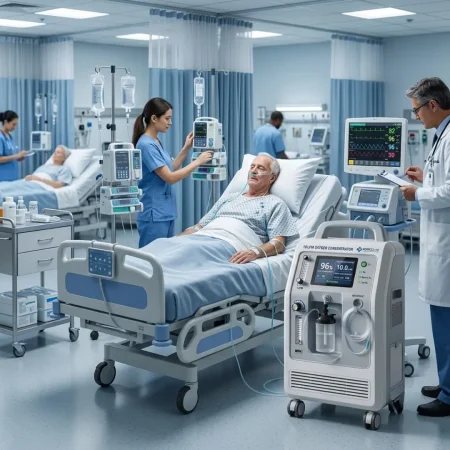
A 10 LPM Oxygen Concentrator is a high-flow medical oxygen therapy device designed to provide a continuous supply of concentrated oxygen at a flow rate of up to 10 liters per minute. It works by taking in room air, removing nitrogen, and delivering concentrated oxygen through appropriate oxygen delivery accessories. The device is suitable for hospitals, clinics, nursing facilities, and home-care environments where higher-flow oxygen therapy has been prescribed. Its continuous oxygen supply can reduce reliance on oxygen cylinders and support convenient long-term use. A user-friendly control panel and flow adjustment system allow simple operation. Oxygen flow should always be prescribed and monitored by a qualified healthcare professional according to individual medical requirements.

15 LPM Oxygen Concentrator

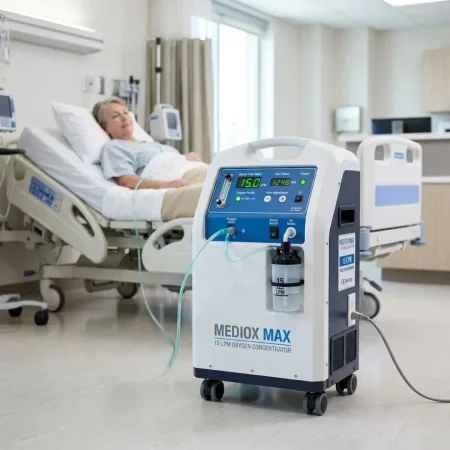
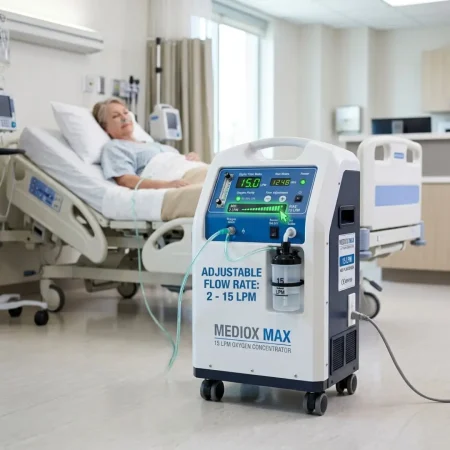
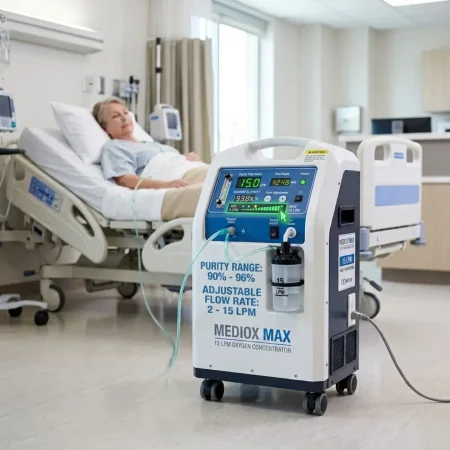
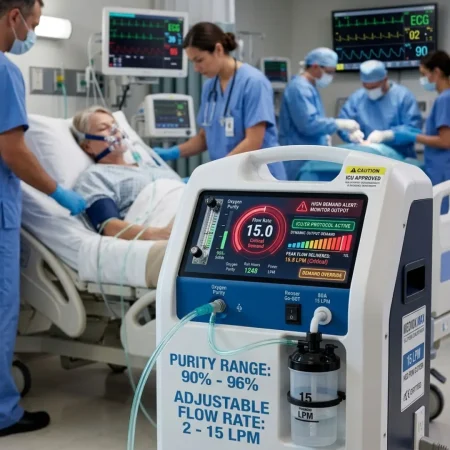
A 15 LPM Oxygen Concentrator is a high-flow medical oxygen therapy device designed to deliver a continuous supply of concentrated oxygen at a flow rate of up to 15 liters per minute. It works by drawing in surrounding air, filtering out nitrogen, and supplying concentrated oxygen through compatible oxygen delivery equipment. The device is suitable for hospitals, clinics, nursing facilities, and other healthcare environments where high-flow oxygen therapy has been prescribed. Its continuous operation can help reduce dependence on frequent oxygen cylinder refilling. A user-friendly control system allows convenient flow adjustment and monitoring. Oxygen flow should always be prescribed and supervised by a qualified healthcare professional according to individual patient requirements.

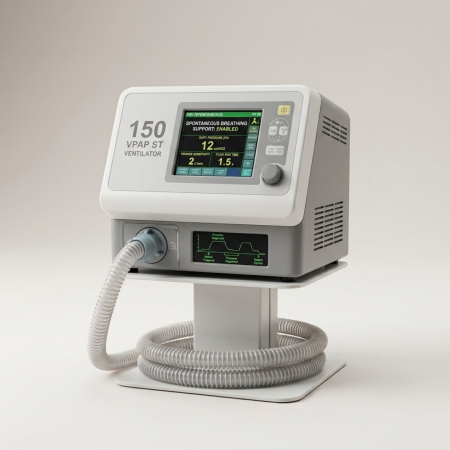
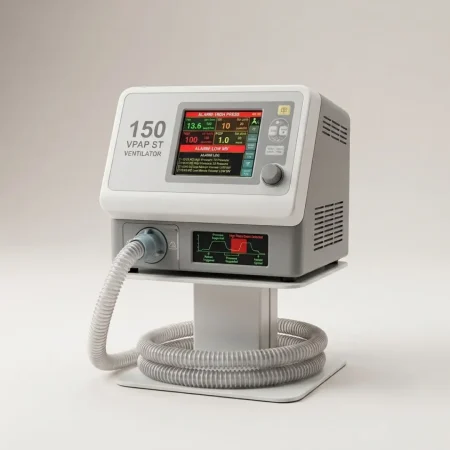
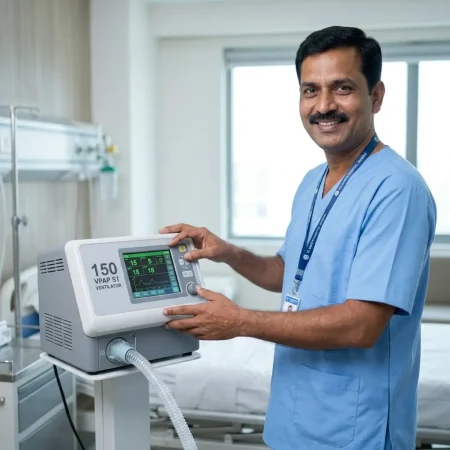
150 VPAP ST Ventilator

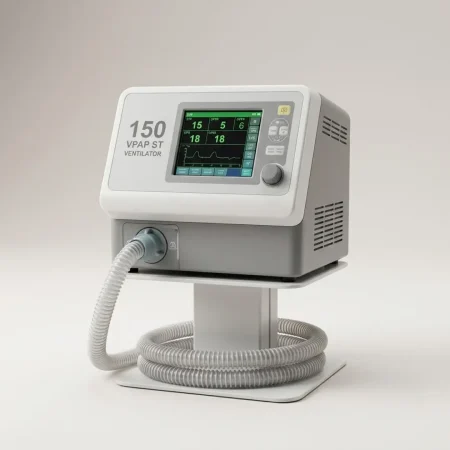
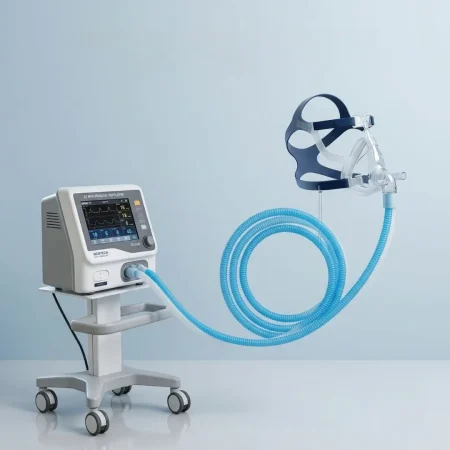
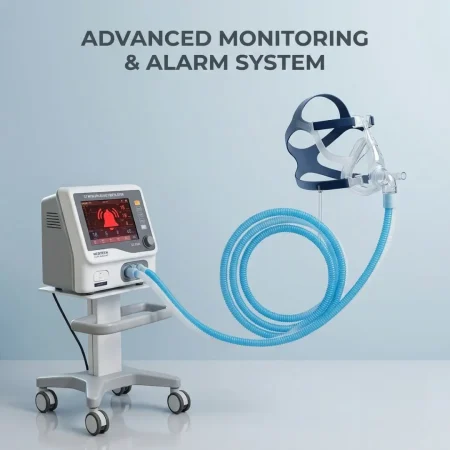
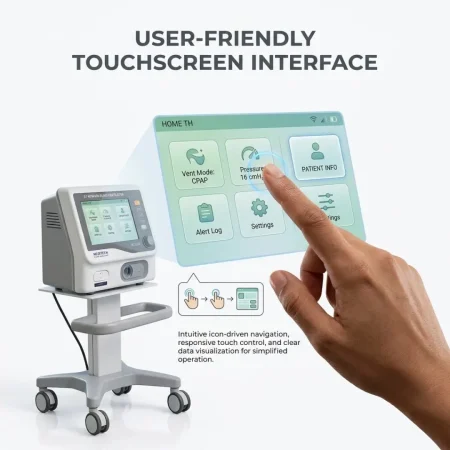
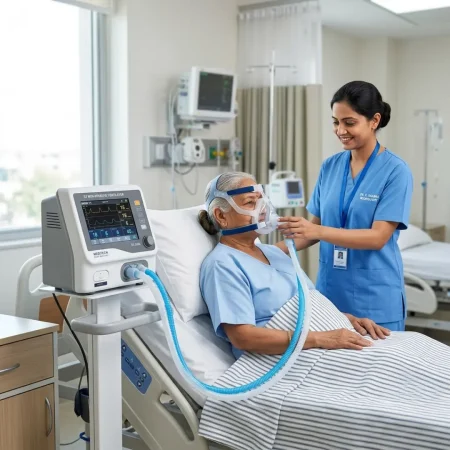
A 150 VPAP ST Ventilator is a non-invasive respiratory support device designed to assist patients who require specialized breathing support. VPAP ST technology provides different pressure levels for inhalation and exhalation, while the spontaneous/timed mode can support breathing when the patient’s respiratory effort is insufficient. The device is commonly used in clinical and home-care environments for patients requiring prescribed non-invasive ventilation. It may offer adjustable pressure settings, monitoring features, alarm functions, and a user-friendly interface for convenient operation. The ventilator should be configured according to the patient’s clinical requirements and healthcare professional’s prescription. Proper mask fitting, regular cleaning, and routine maintenance are important for safe and effective operation.
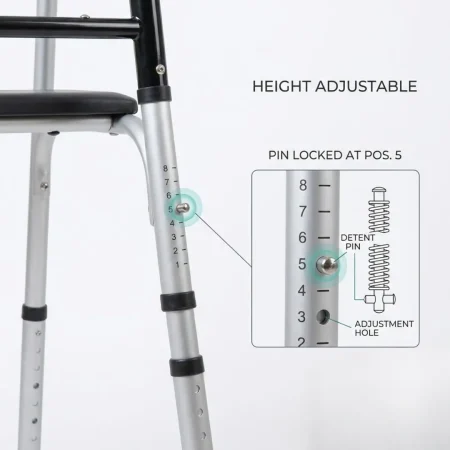
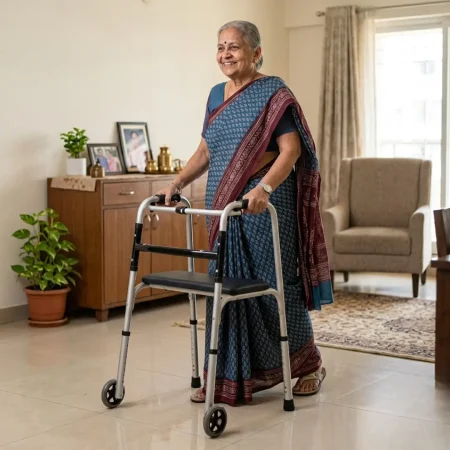
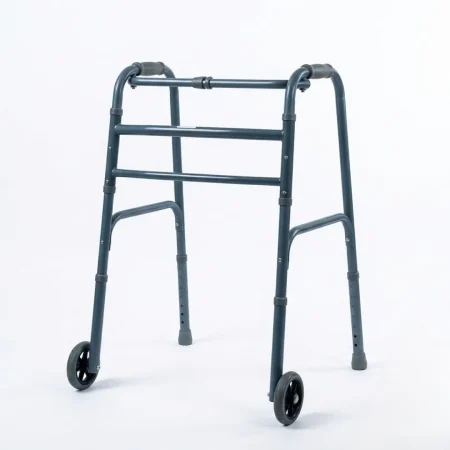
Adjustable Height Walker

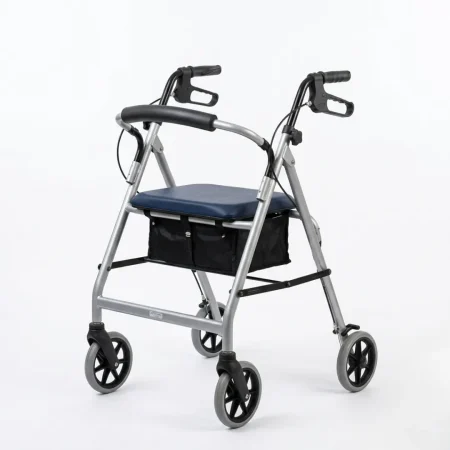
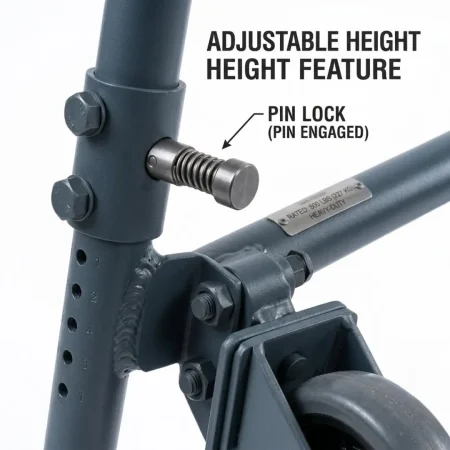
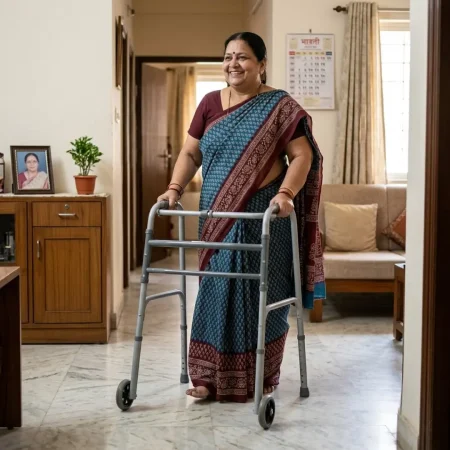
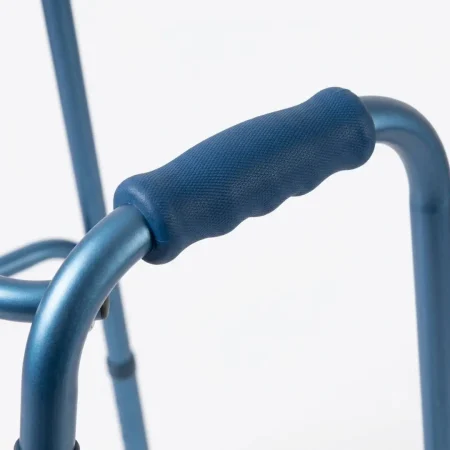
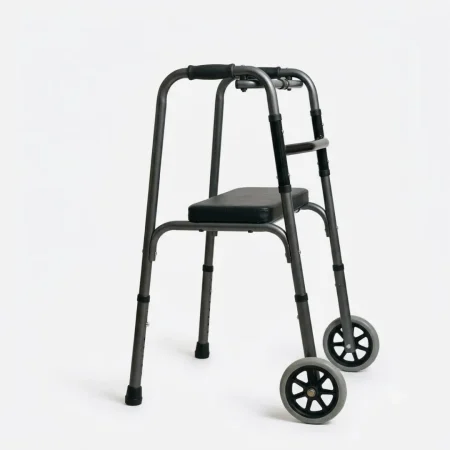
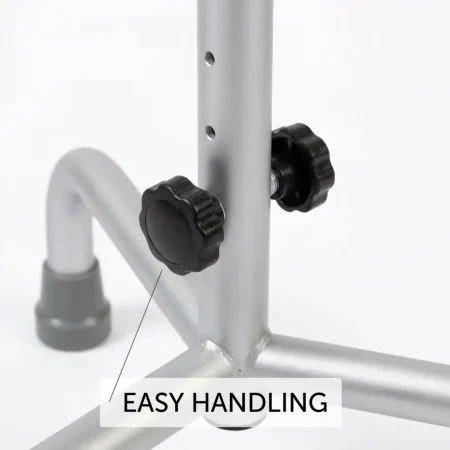
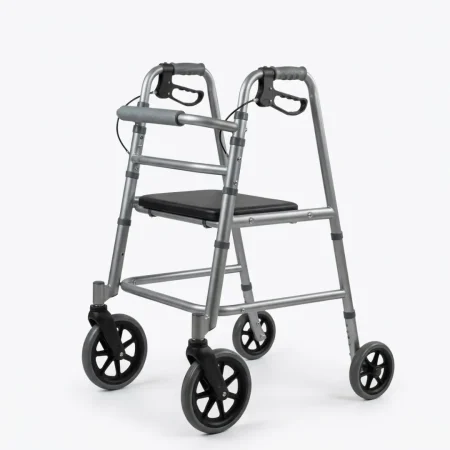
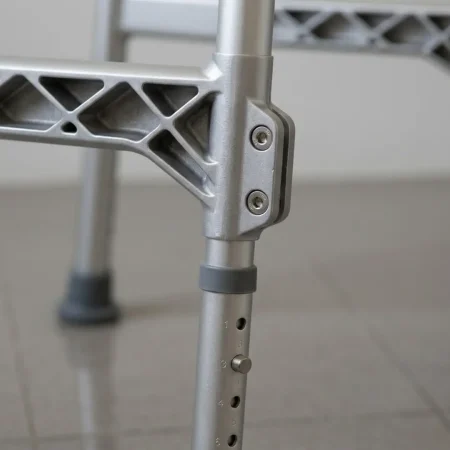
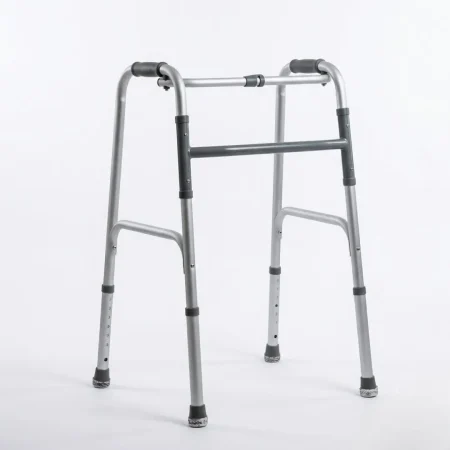
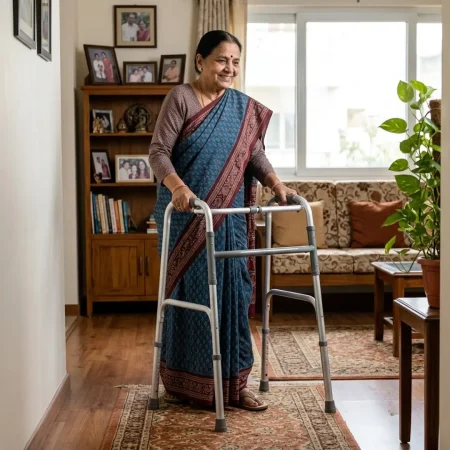
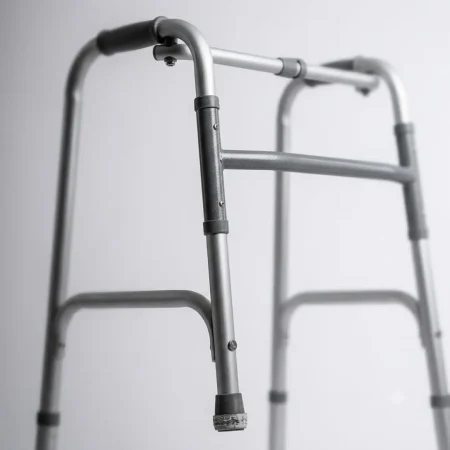
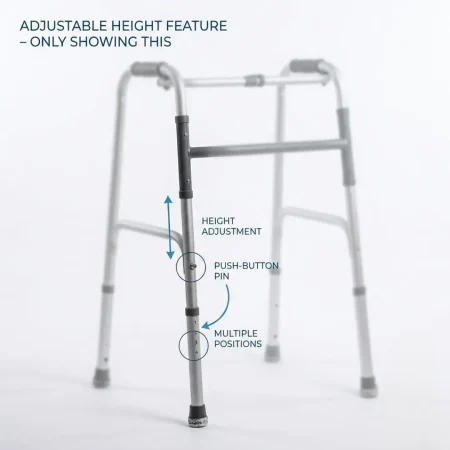
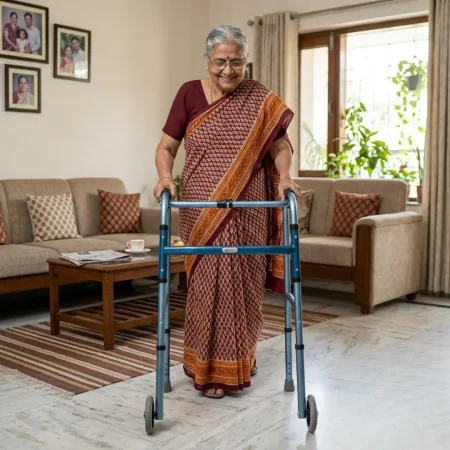
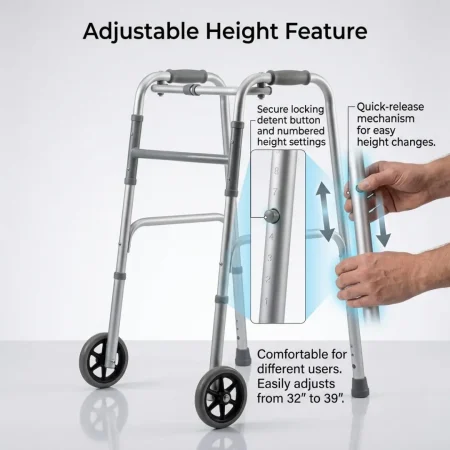
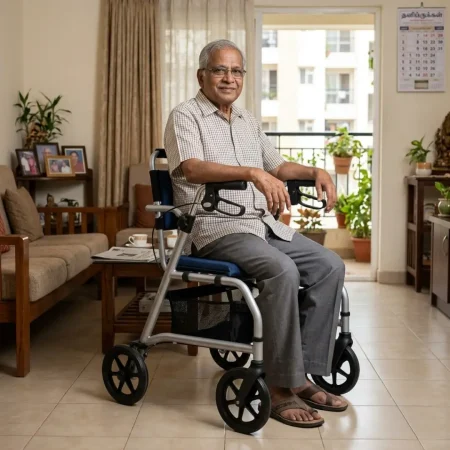
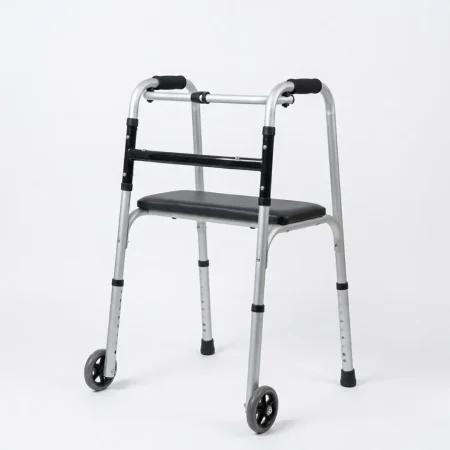
An Adjustable Height Walker is a mobility aid designed to provide stability, balance, and support for individuals who need assistance while walking. Its adjustable height feature allows users to customize the walker according to their body height and comfort, promoting a more natural and secure walking posture. The lightweight yet sturdy frame is suitable for use at home, hospitals, rehabilitation centers, and other care environments. Comfortable hand grips and stable legs provide additional support during movement. Many models also feature foldable designs for convenient storage and transportation. Proper adjustment and correct usage are important for safety and comfort. Users should follow healthcare professional recommendations and manufacturer instructions when selecting and using a walker.

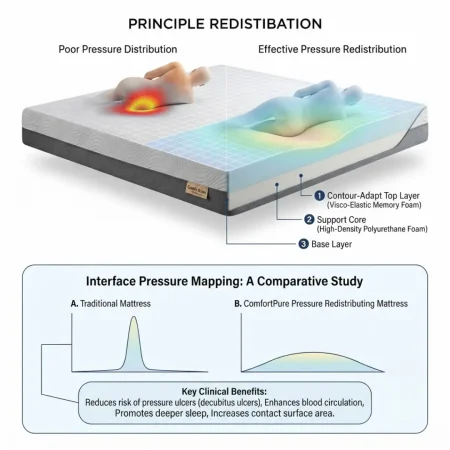
Alternating Pressure Mattress

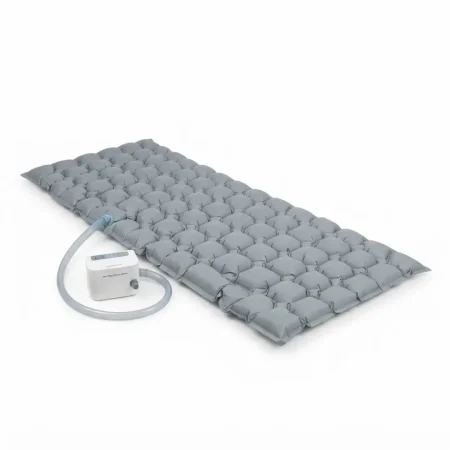
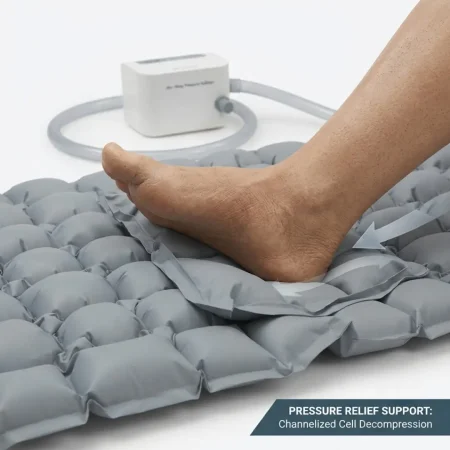
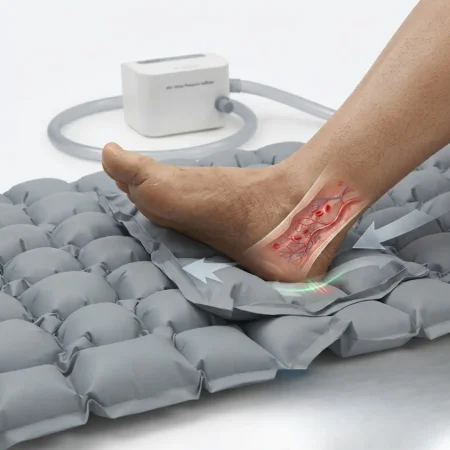
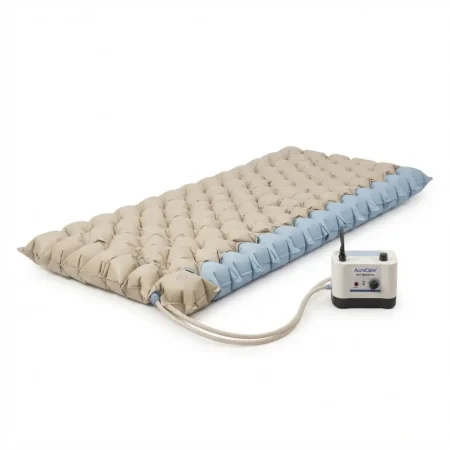
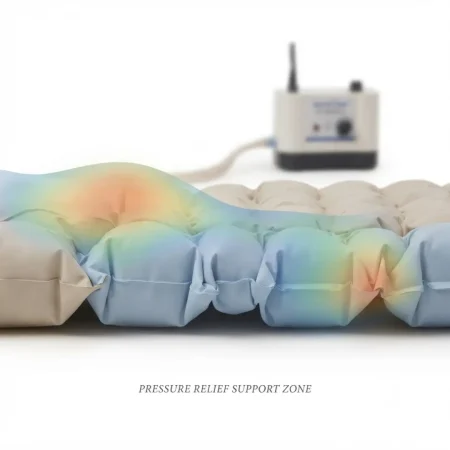
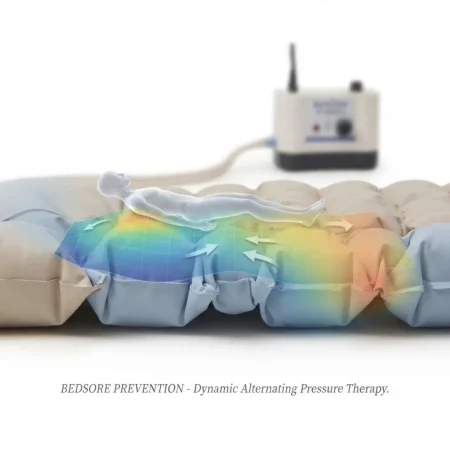
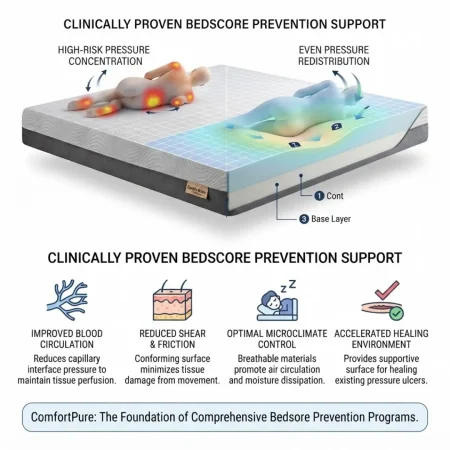
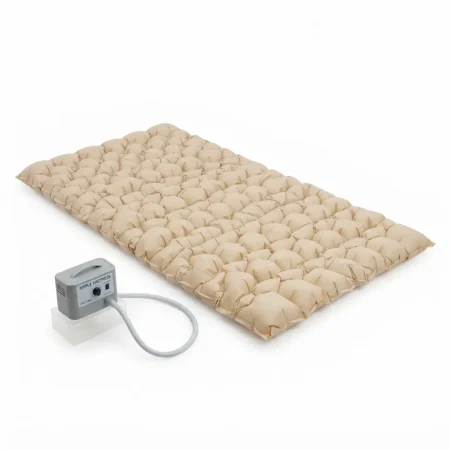
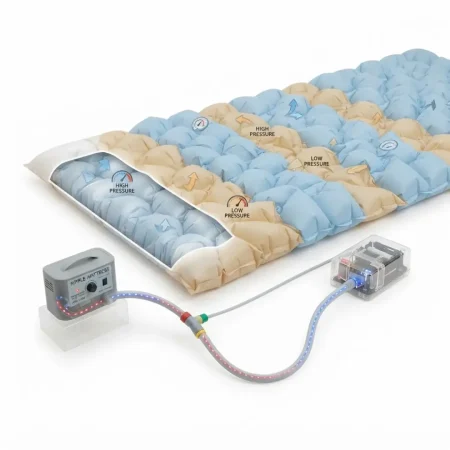
An Alternating Pressure Mattress is a specialized medical mattress designed to improve comfort and help reduce prolonged pressure on the body. It uses air cells that inflate and deflate in alternating cycles, regularly changing the pressure distribution across different areas of the mattress. This design can support pressure management for individuals with limited mobility or those spending extended periods in bed. The mattress is suitable for hospitals, nursing homes, rehabilitation centers, and home-care environments. Many models include an adjustable pump that allows users or caregivers to control pressure settings according to prescribed requirements. Proper installation, regular cleaning, and routine maintenance help ensure effective performance and safe use. Always follow healthcare professional and manufacturer guidance.

Aluminium Lightweight Walker

An Aluminium Lightweight Walker is a practical mobility aid designed to provide stability, balance, and support for individuals who need assistance while walking. Made from lightweight yet durable aluminium, it is easy to lift, move, and handle during daily activities. Its sturdy frame provides dependable support while walking indoors or outdoors on suitable surfaces. Ergonomic hand grips can offer a comfortable and secure hold, while adjustable legs allow the walker to be customized to the user’s height. Many models feature foldable designs for convenient storage and transportation. It is suitable for homes, hospitals, rehabilitation centers, and senior-care environments. Proper height adjustment and safe usage are important for comfort and stability.

Aluminium Wheelchair

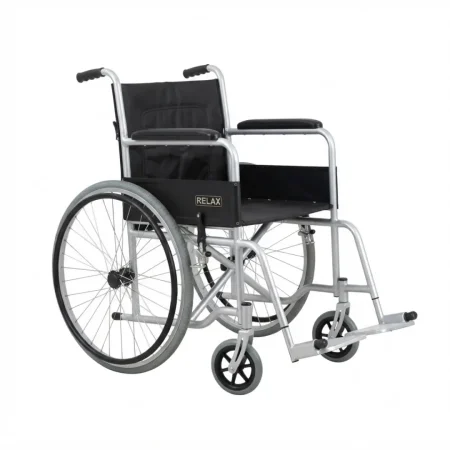
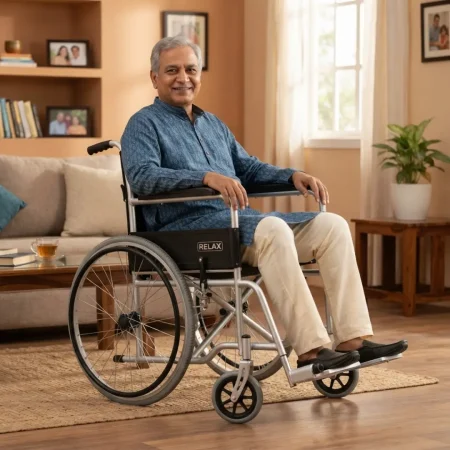
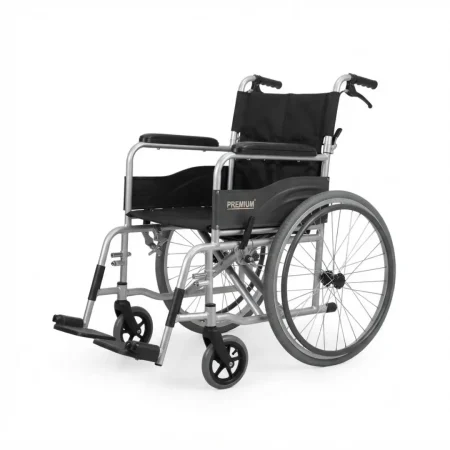
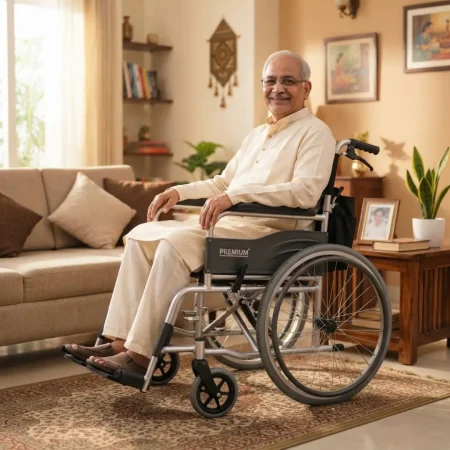
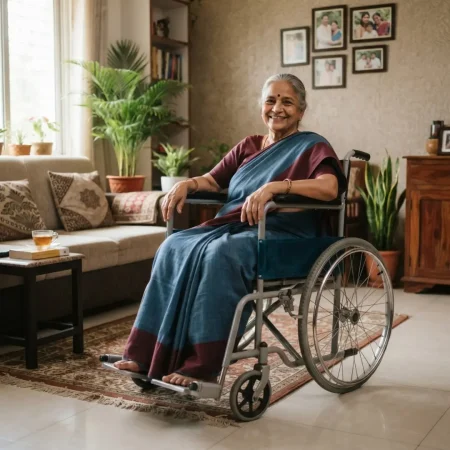
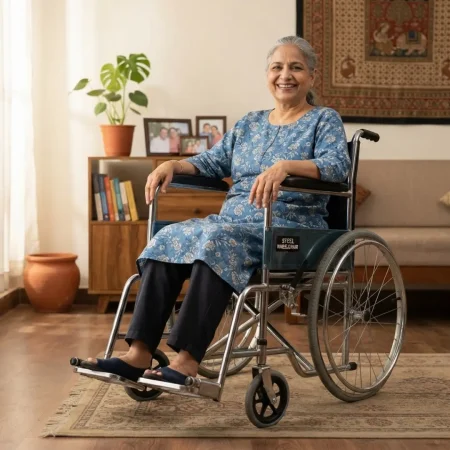
An Aluminium Wheelchair is a lightweight mobility aid designed to provide comfortable and convenient transportation for individuals with limited mobility. Its aluminium frame offers a practical combination of strength, durability, and reduced weight, making the wheelchair easier to handle and transport. Comfortable seating, supportive backrests, armrests, and footrests can enhance user convenience during daily activities. Its smooth-rolling wheels and stable frame allow suitable movement across indoor and accessible outdoor surfaces. Many models are foldable, making them convenient for storage and travel. The wheelchair can be used in homes, hospitals, clinics, rehabilitation centers, and care facilities. Proper maintenance and safe handling are important for reliable performance and user comfort.

Amphibious Wheelchair

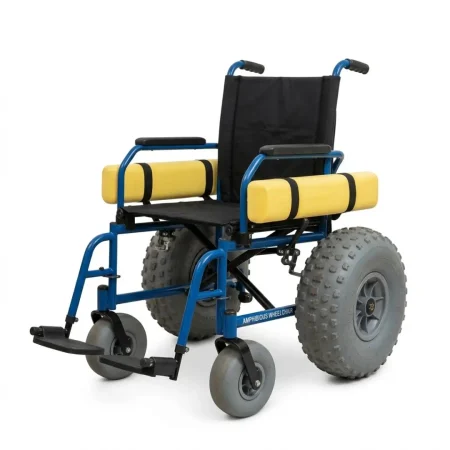
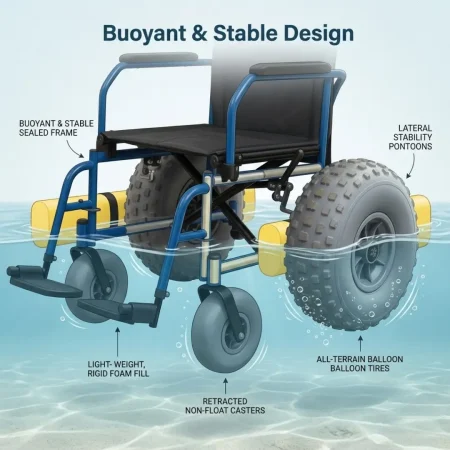
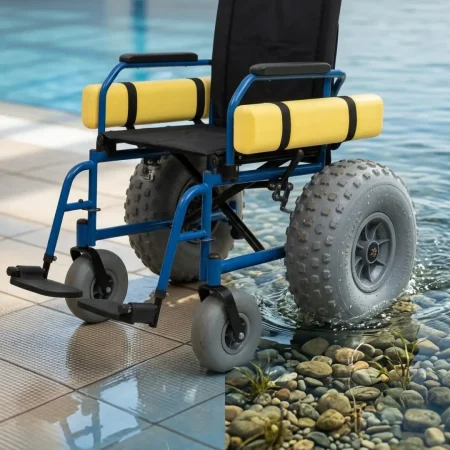
An Amphibious Wheelchair is a specialized mobility aid designed to help individuals with limited mobility access both land and suitable shallow-water environments. Its durable construction, buoyant features, and specialized wheels allow easier movement across surfaces such as sand, poolside areas, and other accessible terrain. The supportive seating system is designed to provide stability and comfort during use. Amphibious wheelchairs are commonly used at beaches, swimming pools, rehabilitation centers, and recreational facilities with suitable accessibility arrangements. Depending on the model, features may include corrosion-resistant materials, safety supports, and adjustable components. Proper supervision, safety procedures, and manufacturer guidelines should always be followed, particularly when using the wheelchair near or in water.

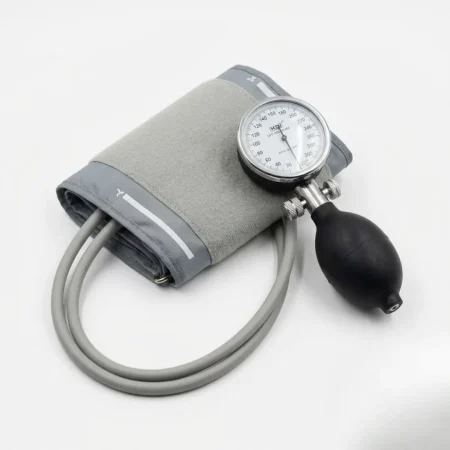
Aneroid Meter

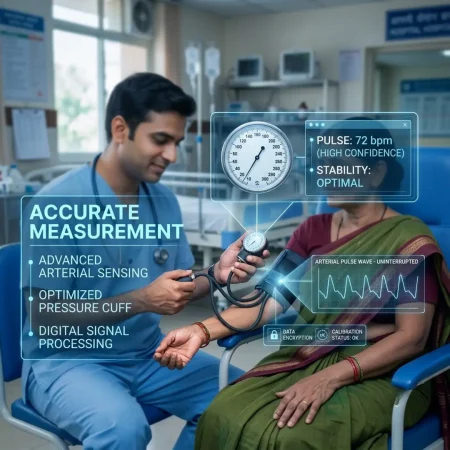
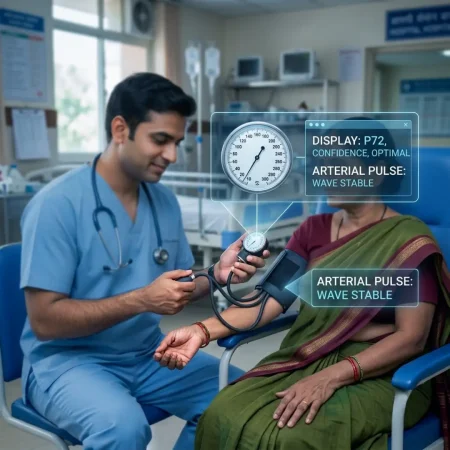
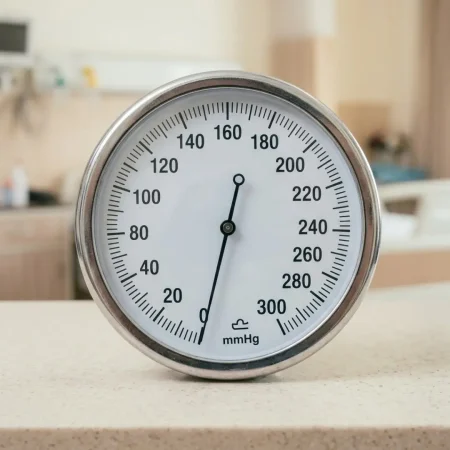
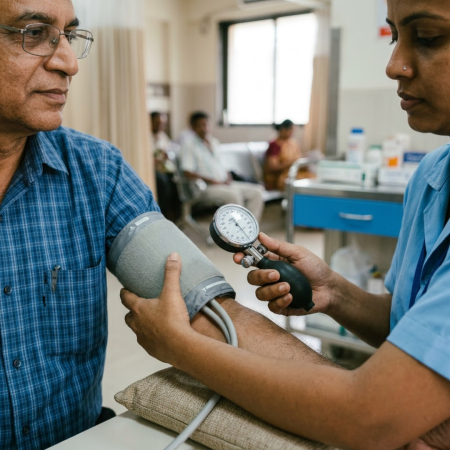
An Aneroid Meter is a mechanical pressure-measuring device commonly used in medical settings to measure blood pressure accurately. It features a dial display, pressure gauge, cuff, and inflation system for obtaining systolic and diastolic blood pressure readings. Unlike digital monitors, an aneroid meter operates without batteries, making it convenient for hospitals, clinics, medical camps, and home healthcare use. Its compact and lightweight design allows easy transportation and storage. Proper cuff placement and correct measurement technique are essential for reliable readings. Regular calibration is recommended to maintain accuracy and performance. The device should be used by trained healthcare professionals or according to appropriate medical guidance for dependable blood pressure monitoring.

Ankle Support

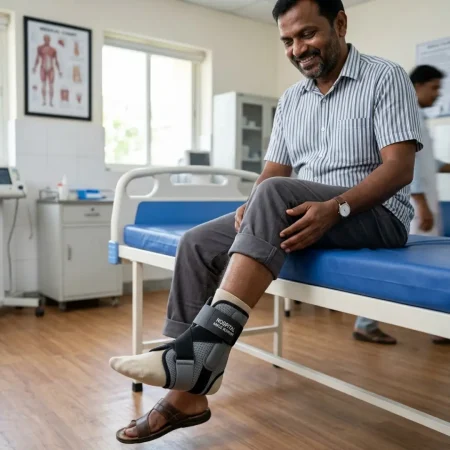
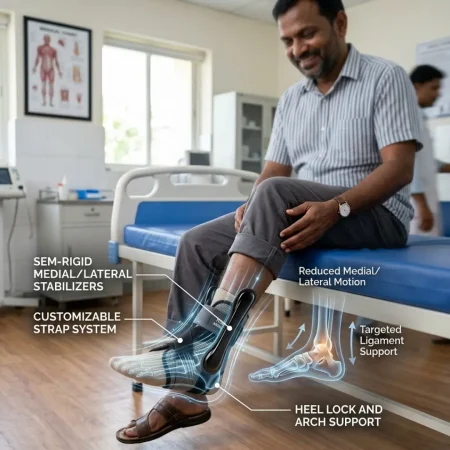
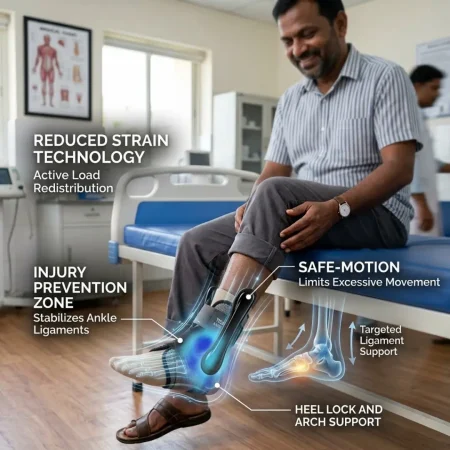
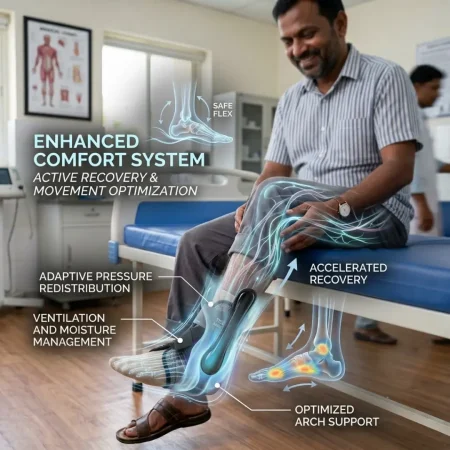
An Ankle Support is a medical support product designed to provide stability, compression, and comfort to the ankle during daily activities, exercise, or recovery. It can help support the ankle joint and may reduce unnecessary movement following strain or injury. Made from flexible and breathable materials, ankle supports are generally designed for comfortable use over extended periods. They may be suitable for sports activities, rehabilitation, walking, and routine mobility. Depending on the design, features can include adjustable straps, cushioned padding, elastic compression, and reinforced support. The correct size and fit are important for effective use and comfort. Always follow healthcare professional recommendations and the manufacturer’s instructions when using an ankle support.

Anti Bedsore Air Mattress

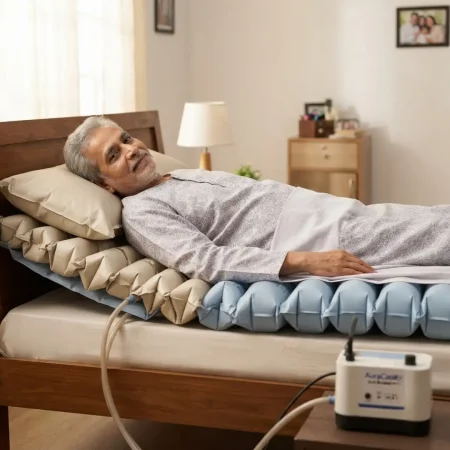
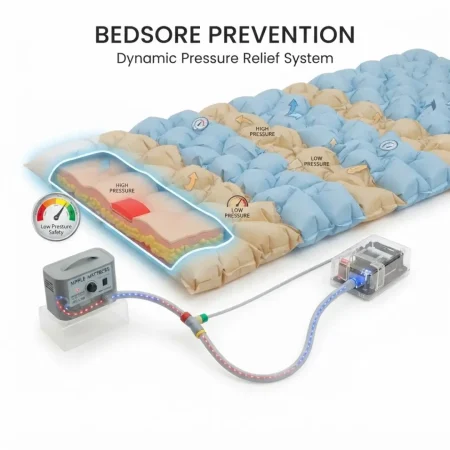
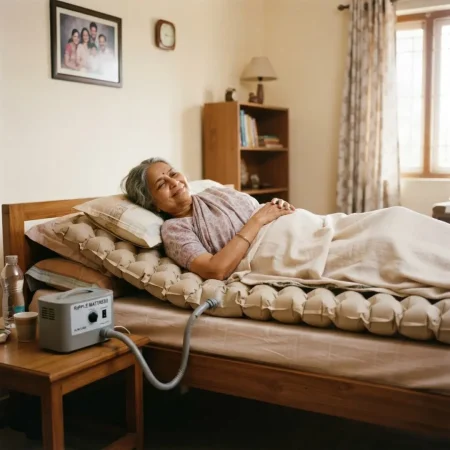
An Anti Bedsore Air Mattress is a specialized medical mattress designed to help manage prolonged pressure on the body for individuals who spend extended periods in bed. It uses interconnected air cells that inflate and deflate in alternating cycles, helping redistribute pressure across different areas of the body. This pressure-relieving system can support comfort and assist with skin-care routines when combined with appropriate repositioning and clinical care. The mattress is suitable for hospitals, nursing homes, rehabilitation centers, and home-care environments. Many models feature an adjustable air pump for convenient pressure control. Proper installation, regular cleaning, and maintenance are important for safe and effective use. Follow healthcare professional and manufacturer recommendations for appropriate use.

Arm Sling

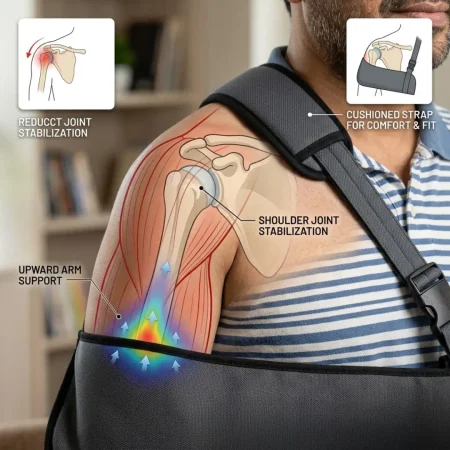
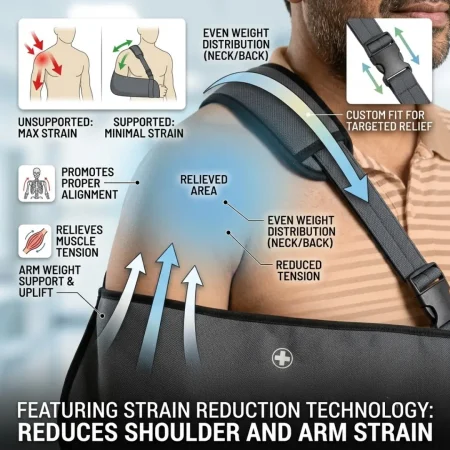
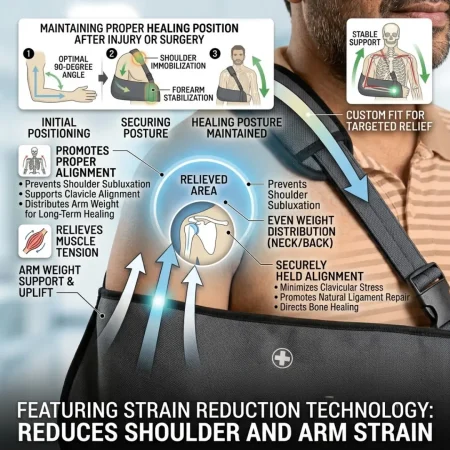
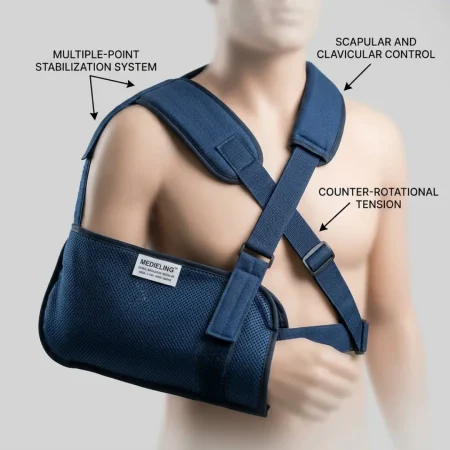
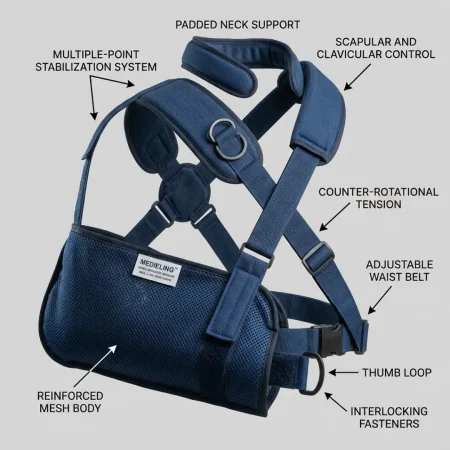
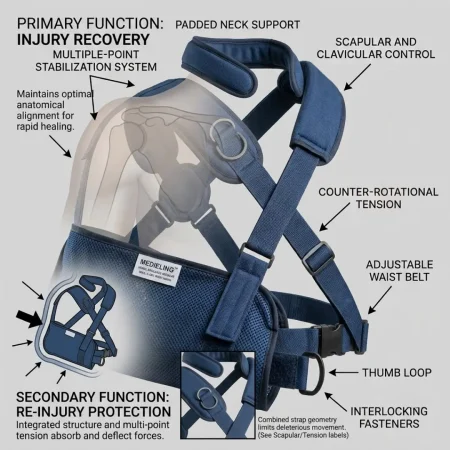
An Arm Sling is a medical support device designed to help immobilize and support the arm, wrist, or shoulder during recovery from injuries, strains, or certain medical conditions. It helps keep the arm in a comfortable position while reducing unnecessary movement during daily activities. Made from lightweight and breathable materials, an arm sling can provide support without adding excessive pressure or discomfort. Adjustable straps allow the fit to be customized for better comfort and stability. It can be used in hospitals, clinics, rehabilitation centers, and home-care settings. The correct size and positioning are important for proper support. Always use an arm sling according to healthcare professional recommendations and manufacturer instructions.

Attendant Bed

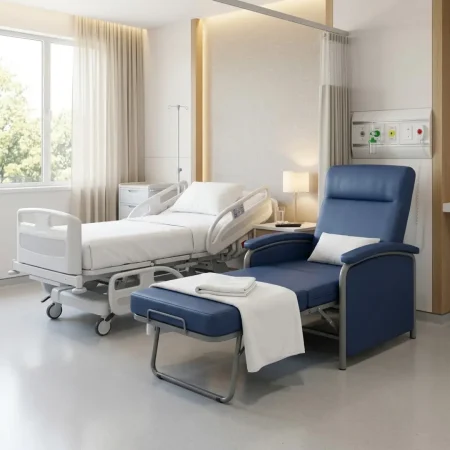
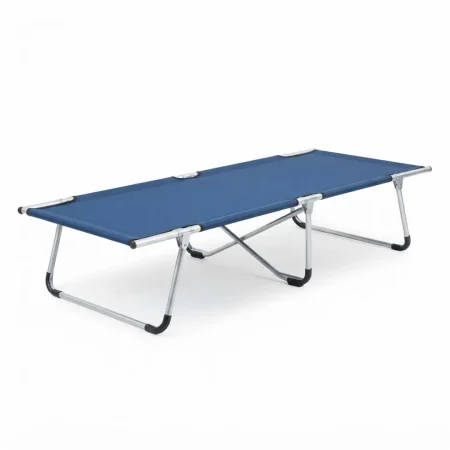
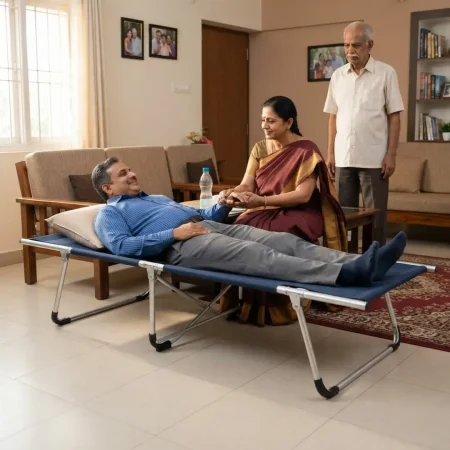
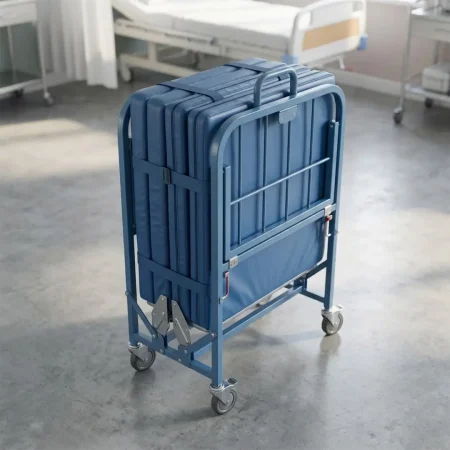
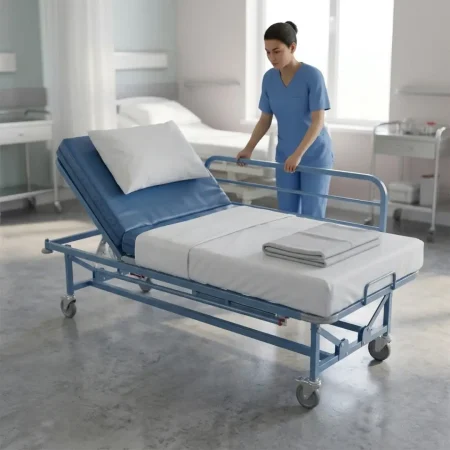
An Attendant Bed is a practical hospital furniture solution designed to provide a comfortable resting space for caregivers, attendants, or visitors staying with patients. It is commonly placed beside hospital beds in hospitals, clinics, nursing homes, and healthcare facilities. Its sturdy construction provides reliable support, while a comfortable surface allows attendants to rest conveniently during extended patient stays. Depending on the model, features may include a foldable design, cushioned mattress, durable frame, and easy-to-clean surfaces. Its compact design helps save space while maintaining convenience. The attendant bed is designed for simple operation, easy movement, and efficient storage when not in use, making it a useful addition to patient-care environments.

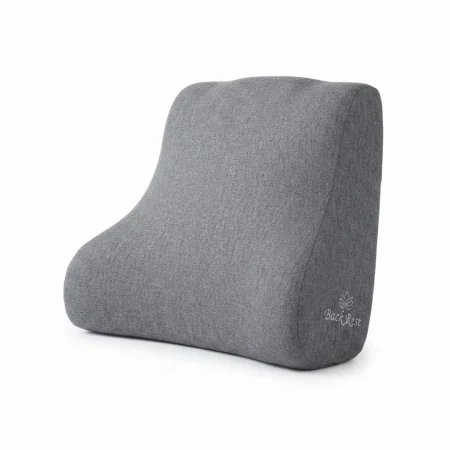
Back Rest

A Back Rest is a supportive healthcare accessory designed to provide comfortable positioning and additional support for the back while sitting or resting. It can help maintain a more comfortable posture and reduce strain during prolonged periods of sitting or bed rest. Made from durable and comfortable materials, a back rest can be used on hospital beds, chairs, sofas, and other suitable surfaces. Depending on the design, it may feature adjustable angles, cushioned padding, and a supportive frame for improved comfort. It is commonly used in hospitals, clinics, nursing homes, rehabilitation centers, and home-care environments. Proper positioning and regular cleaning help maintain comfort, hygiene, and long-lasting performance.

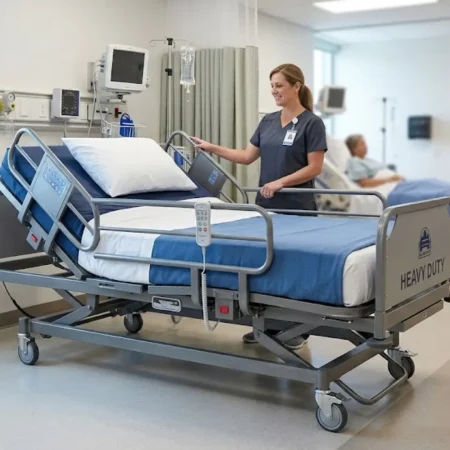
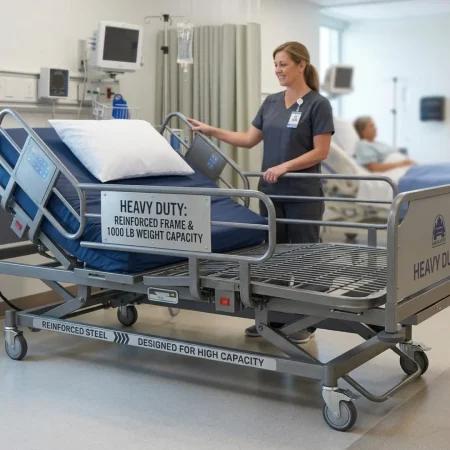
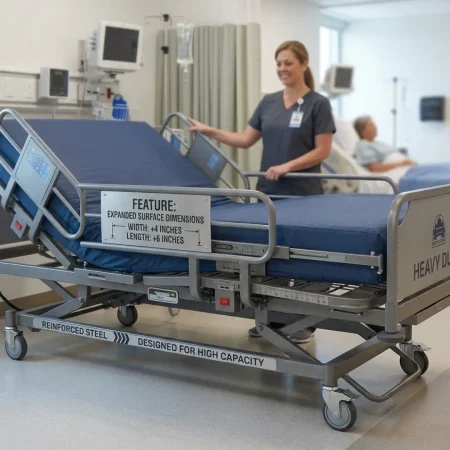
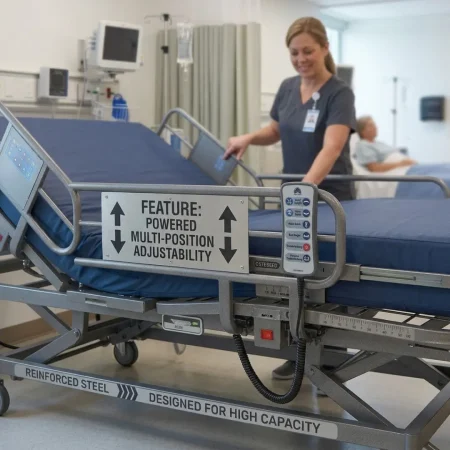
Bariatric Bed (Heavy Duty)

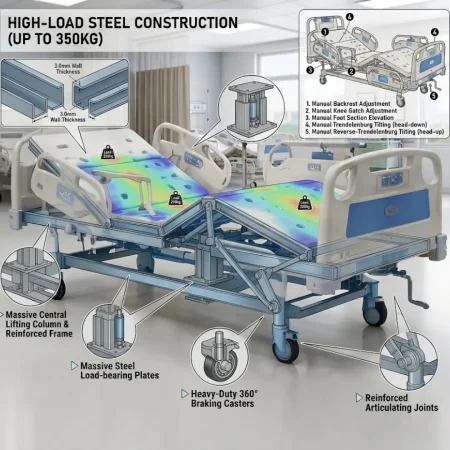
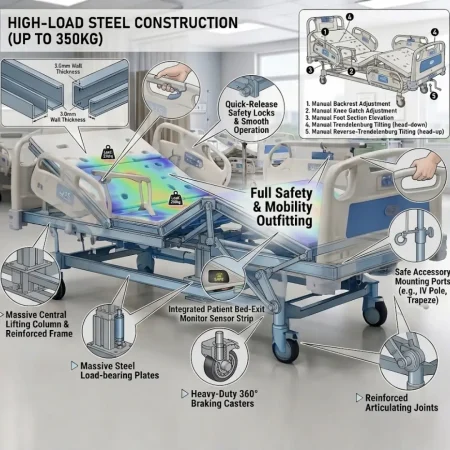
A Bariatric Bed (Heavy Duty) is a specially designed hospital bed built to provide enhanced strength, stability, and comfort for patients requiring a higher weight capacity. Its reinforced frame and wider sleeping surface offer reliable support while allowing easier patient positioning and caregiver access. Depending on the model, features may include adjustable backrest and leg sections, height adjustment, sturdy side rails, and heavy-duty locking casters. The bed is suitable for hospitals, clinics, nursing homes, rehabilitation centers, and home-care environments. Its durable construction is designed for frequent use and improved safety during patient care. Always select the appropriate weight capacity and operate the bed according to manufacturer instructions and healthcare requirements.

Bariatric Walker

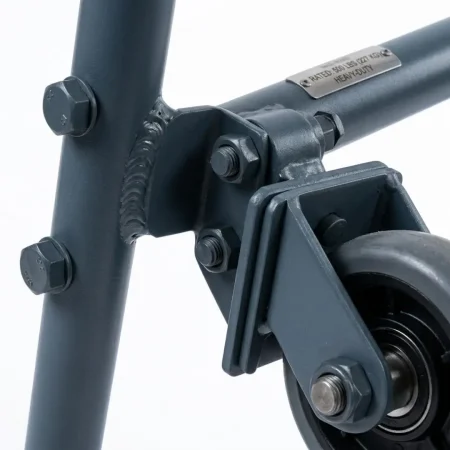
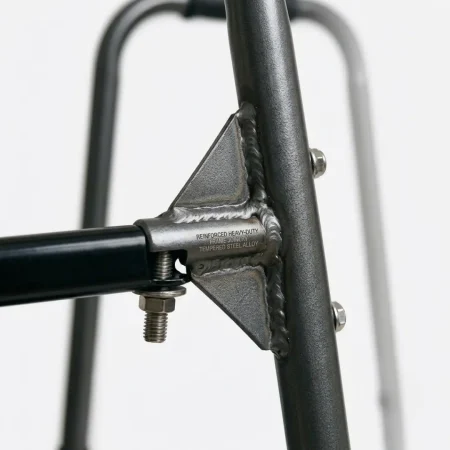
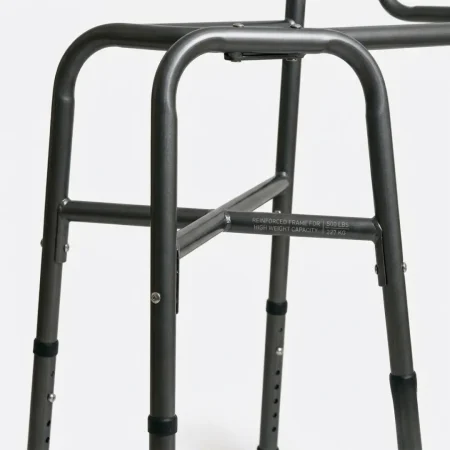
A Bariatric Walker is a heavy-duty mobility aid designed to provide enhanced stability, balance, and support for individuals who require a higher weight capacity than standard walkers. Its reinforced frame offers increased strength and durability while providing dependable assistance during walking and daily movement. The walker may feature adjustable height settings, comfortable hand grips, and sturdy non-slip rubber tips for improved stability on suitable surfaces. Its wide design can provide additional space and support for greater comfort. Bariatric walkers are suitable for use in homes, hospitals, rehabilitation centers, clinics, and senior-care facilities. Proper height adjustment, safe handling, and regular inspection are important for reliable performance and user safety.

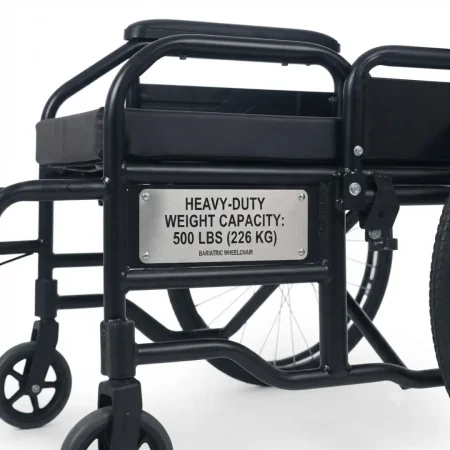
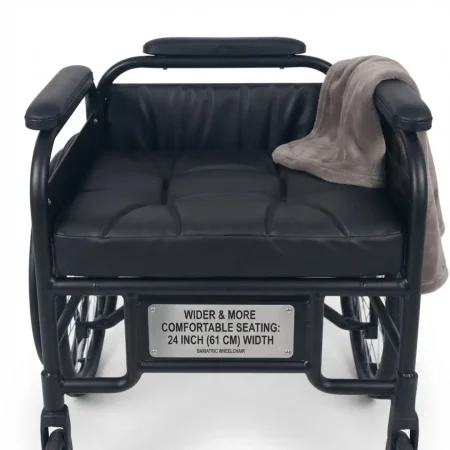
Bariatric Wheelchair

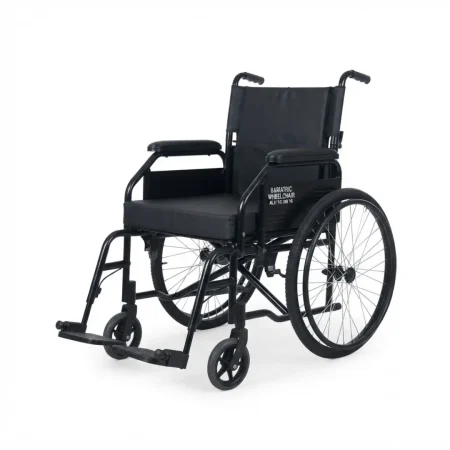
A Bariatric Wheelchair is a heavy-duty mobility aid designed to provide enhanced support, stability, and comfort for individuals who require a higher weight capacity. Its reinforced frame and wider seat provide increased durability and adequate space for comfortable use. Depending on the model, features may include padded armrests, adjustable or removable footrests, sturdy wheels, and reliable locking brakes. The wheelchair is suitable for hospitals, clinics, rehabilitation centers, nursing homes, and home-care environments. Its durable construction is designed to withstand regular use while providing dependable mobility support. Proper sizing and selection according to the user’s weight capacity are essential. Always follow manufacturer guidelines for safe operation, maintenance, and transportation.

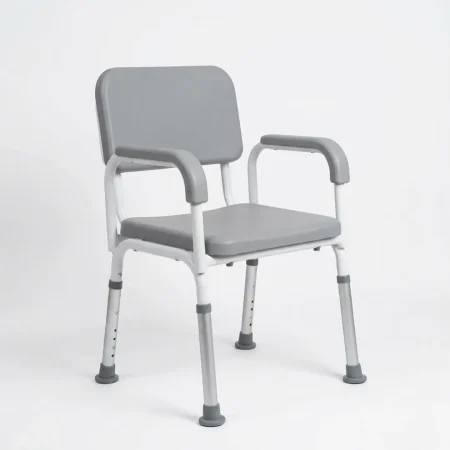
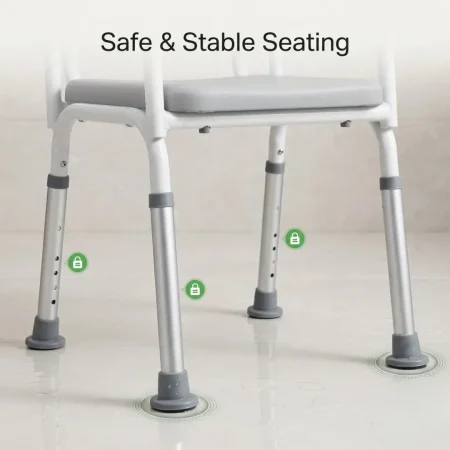
Bath Bench

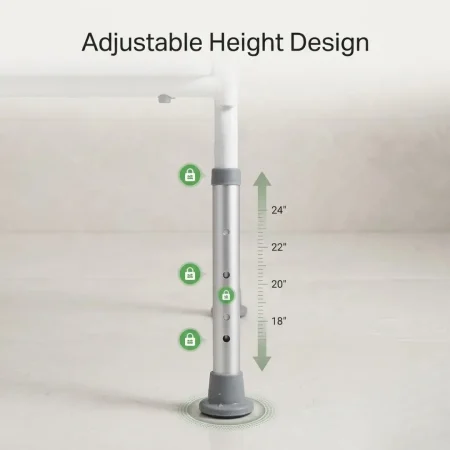
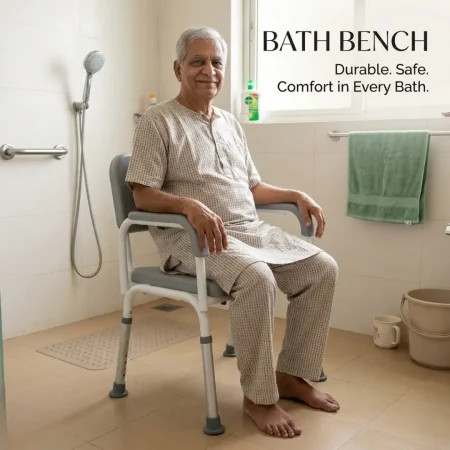
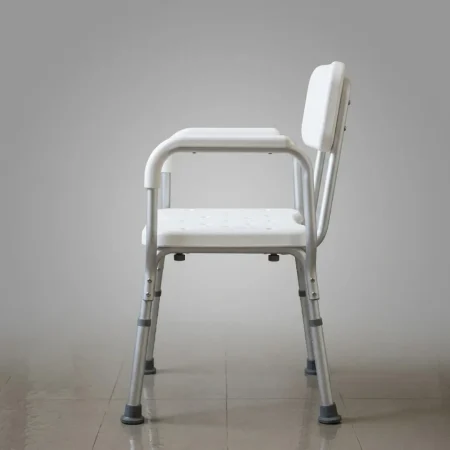
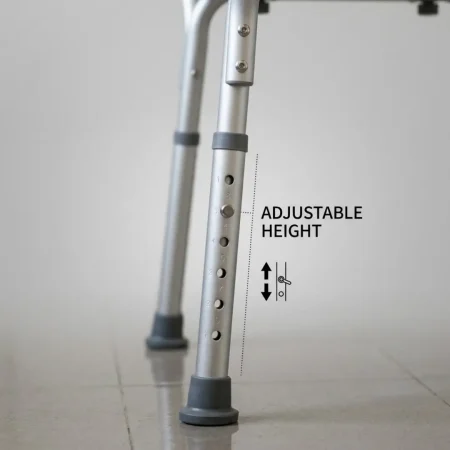
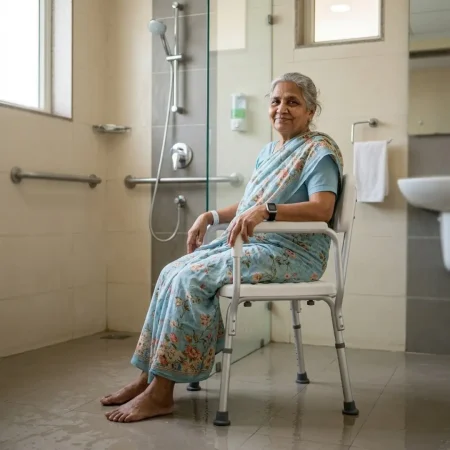
A Bath Bench is a practical bathroom support aid designed to provide a stable and comfortable seating surface while bathing or showering. It can help individuals who have difficulty standing for extended periods maintain greater comfort and stability during personal care routines. Many bath benches feature a lightweight, corrosion-resistant frame, non-slip rubber feet, and a durable, easy-to-clean seat. Adjustable height options may allow users to customize the bench for improved comfort and positioning. Bath benches are suitable for use in homes, hospitals, rehabilitation centers, and senior-care facilities. Proper installation, secure placement, and regular inspection are important for safe use. Always follow the manufacturer’s instructions and recommended weight capacity when using a bath bench.

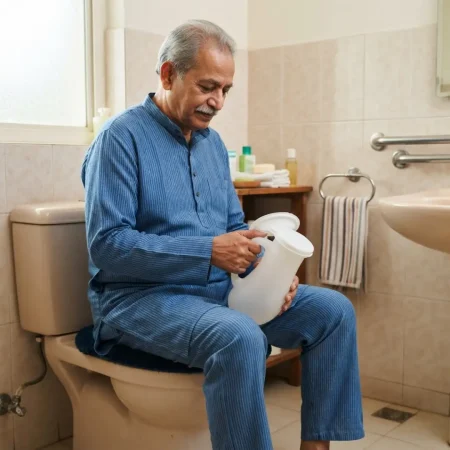
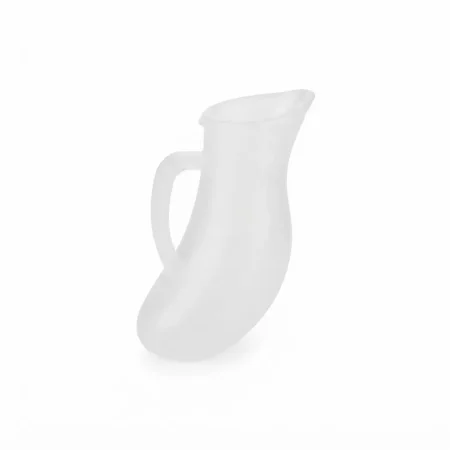
Bed Pan

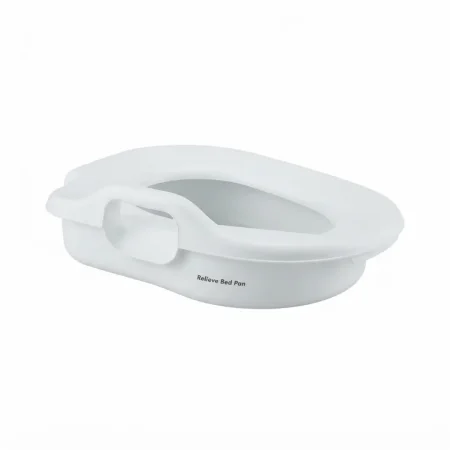
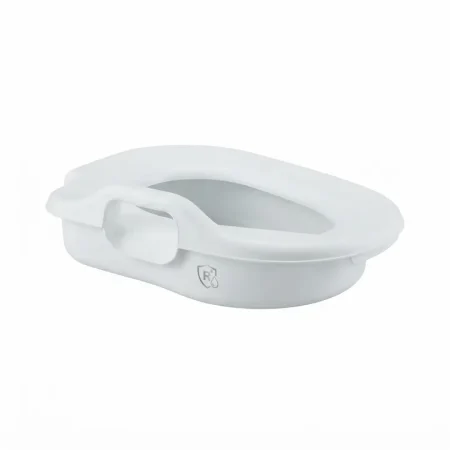
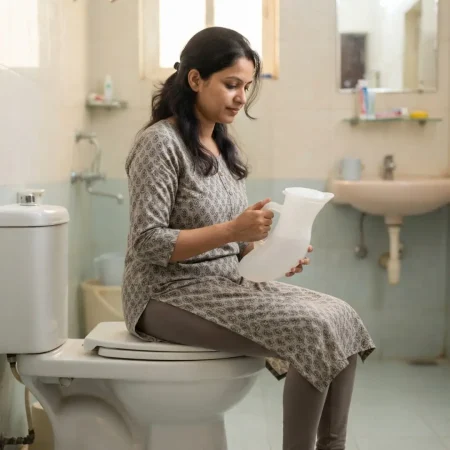
A Bed Pan is a medical care accessory designed to help patients who are unable to get out of bed use the toilet comfortably and conveniently. It is commonly used in hospitals, nursing homes, clinics, rehabilitation centers, and home-care environments. Bed pans are typically made from durable, lightweight, and easy-to-clean materials, allowing convenient handling and hygienic maintenance. Their contoured design can provide better comfort and support during use. Some models may include handles or lids for easier transportation and disposal. Proper cleaning and disinfection are important to maintain hygiene and prevent contamination. Bed pans should be used according to healthcare facility procedures and appropriate caregiver guidance for patient safety and comfort.

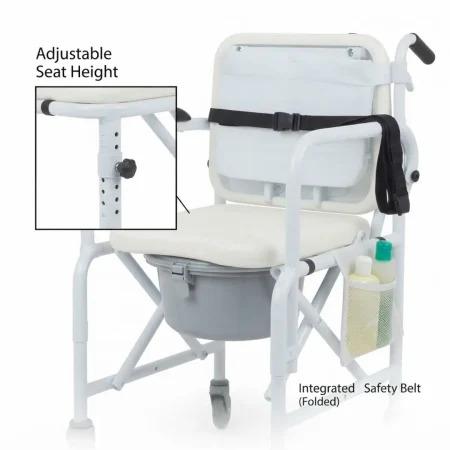
Bedside Commode Chair

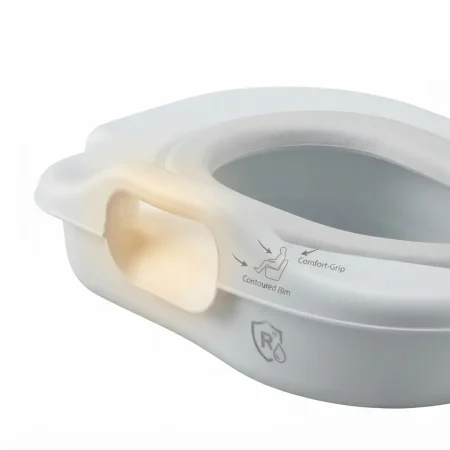
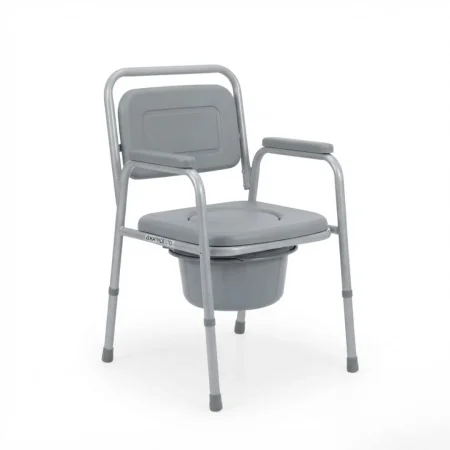
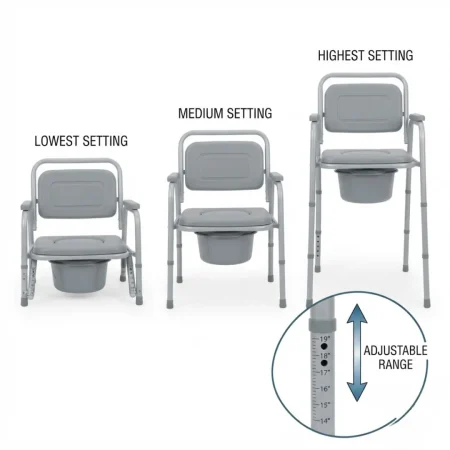
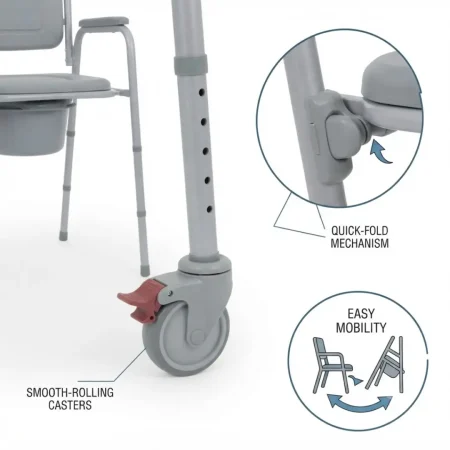
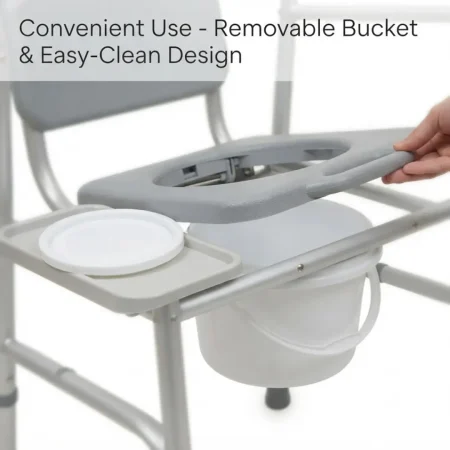
A Bedside Commode Chair is a convenient toilet-support solution designed for individuals who have difficulty accessing a regular bathroom. It can be placed beside a bed and is commonly used in hospitals, nursing homes, rehabilitation centers, and home-care environments. The chair typically features a sturdy frame, comfortable seat, armrests, and a removable commode bucket for easy cleaning and disposal. Many models also include adjustable legs with non-slip rubber tips for improved stability and safety. Its compact design makes it practical for everyday patient care. Proper placement, regular cleaning, and secure positioning are important for safe use. Always follow the manufacturer’s guidelines and recommended weight capacity when using a bedside commode chair.

Bedside Locker

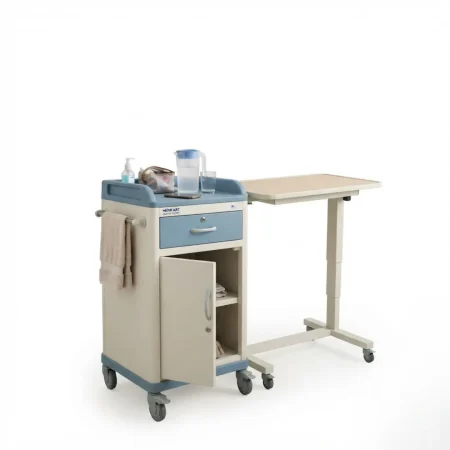
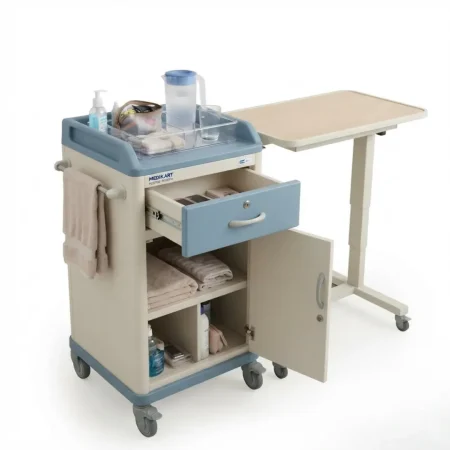
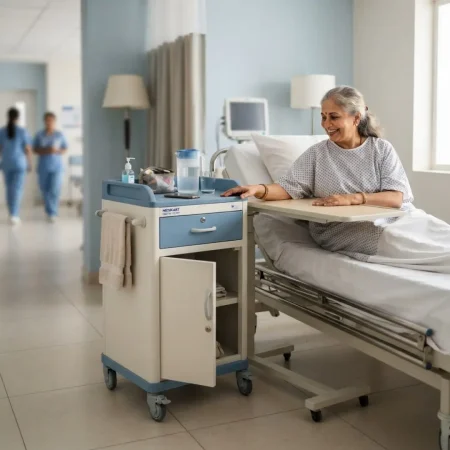
A Bedside Locker is a practical hospital furniture unit designed to provide convenient storage for patients’ personal belongings, medicines, and essential items. It is commonly placed beside hospital beds in hospitals, clinics, nursing homes, and healthcare facilities. The locker typically includes drawers, shelves, or compartments for organized storage and easy access. Its sturdy construction provides durability for regular use, while smooth and easy-to-clean surfaces support proper hygiene. Some models may feature a tabletop, lockable drawer, or wheels for added convenience and mobility. A compact design helps maximize available space around the patient’s bed. The bedside locker is an essential addition to patient-care environments, offering organization, accessibility, and everyday convenience.

Bedside Patient Monitor

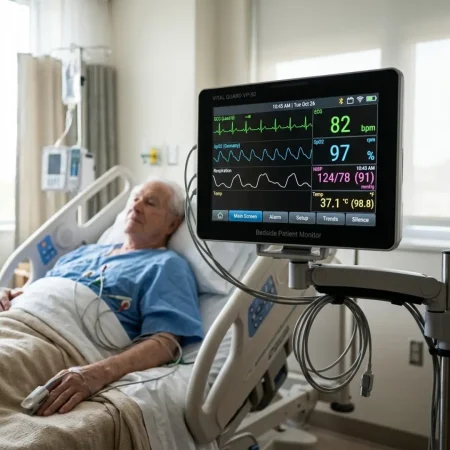
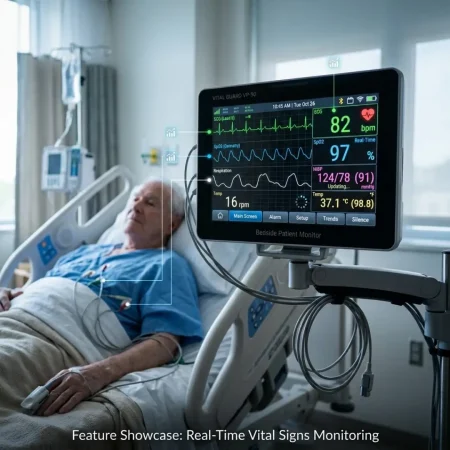
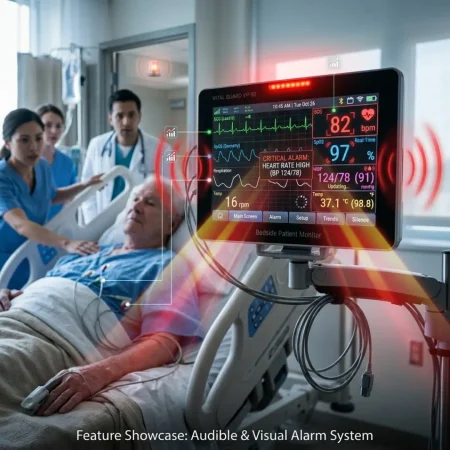
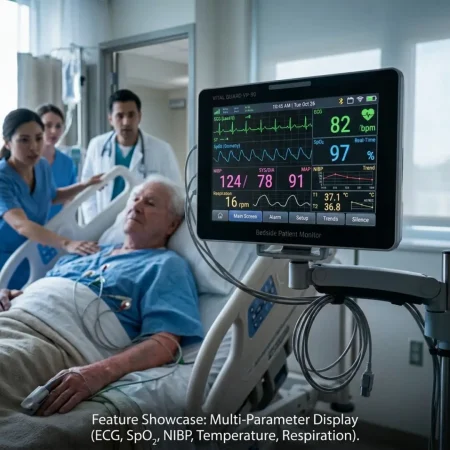
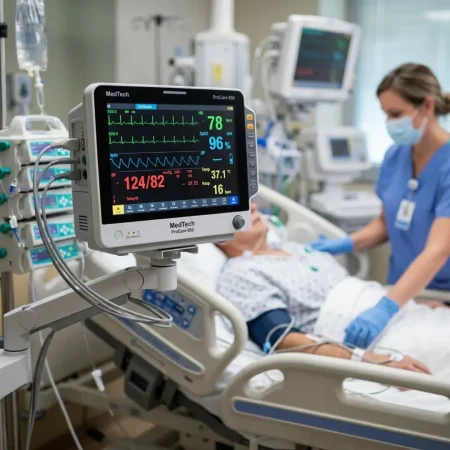
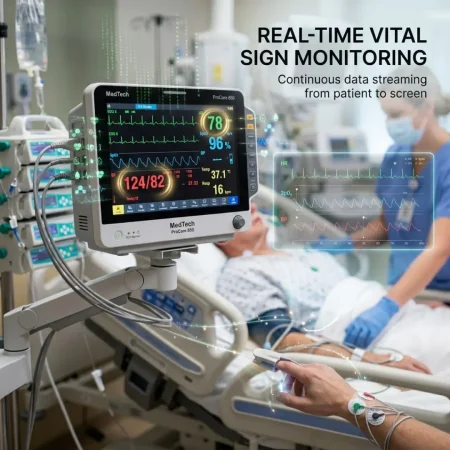
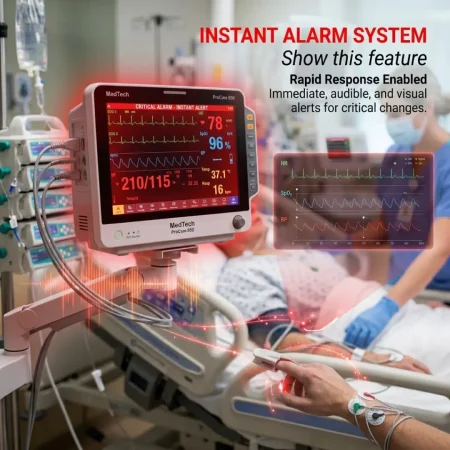
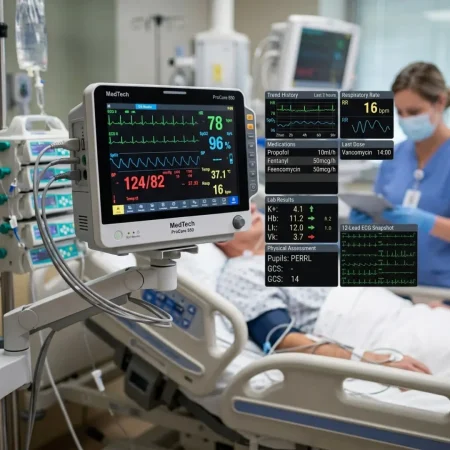
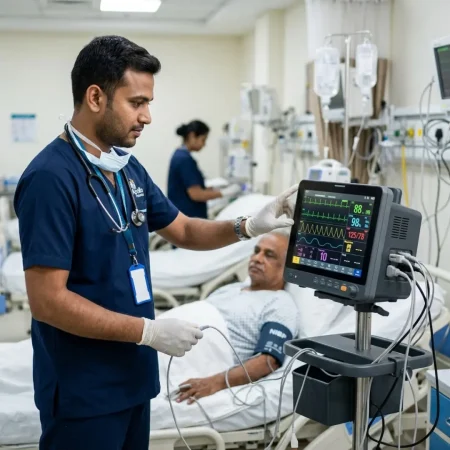
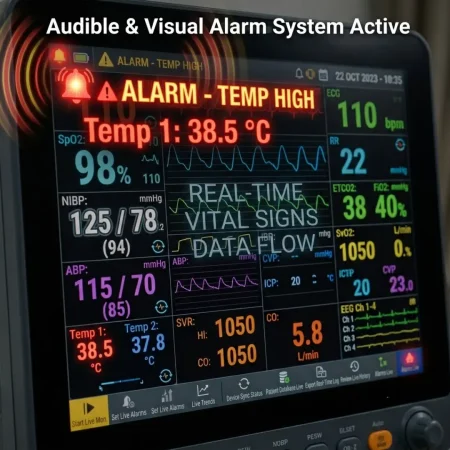
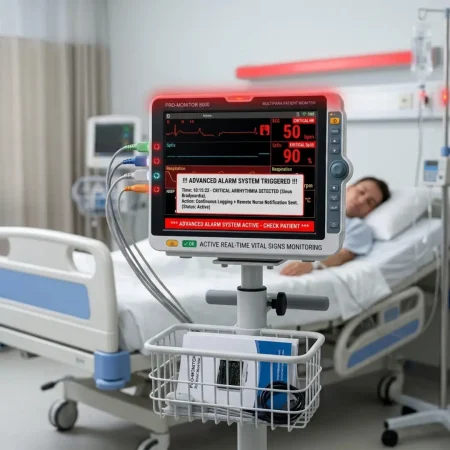
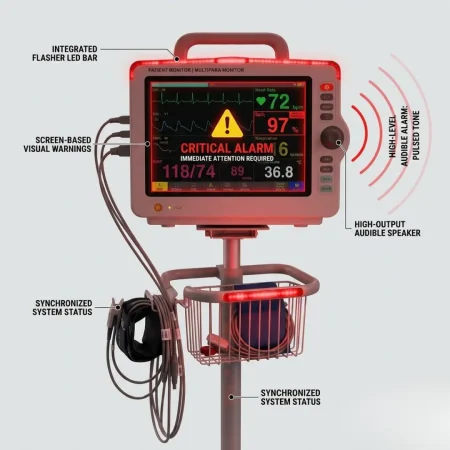
A Bedside Patient Monitor is a medical monitoring device designed to continuously display important vital signs and patient parameters at the bedside. It is commonly used in hospitals, ICUs, emergency rooms, clinics, and other healthcare facilities for effective patient observation. Depending on the model, it can monitor parameters such as ECG, SpO₂, blood pressure, pulse rate, temperature, and respiration rate. A clear digital display allows healthcare professionals to quickly review readings and identify changes in the patient’s condition. Alarm functions can provide alerts when monitored values reach preset limits. Proper sensor placement, calibration, and operation are essential for reliable readings. The monitor should be used by trained healthcare professionals.

BIPAP Machine

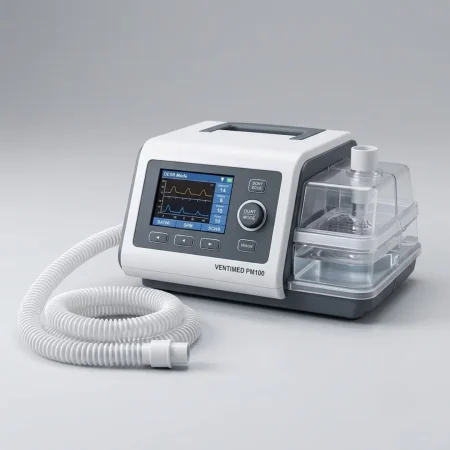
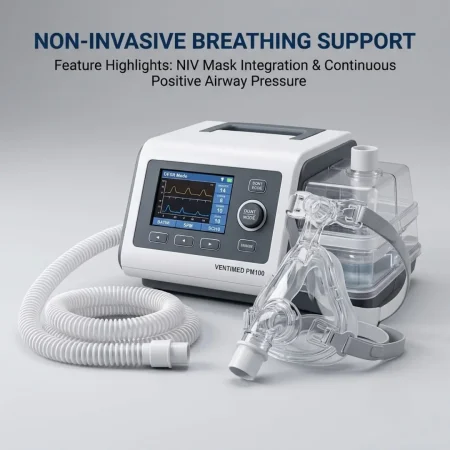
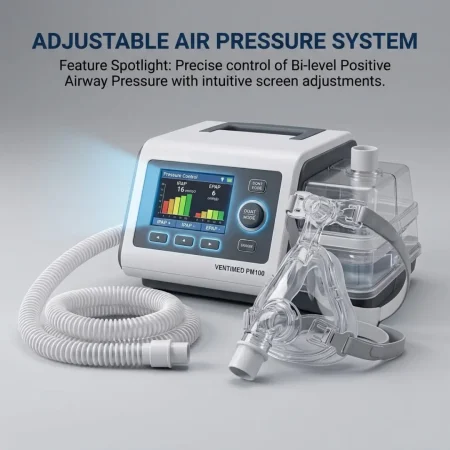
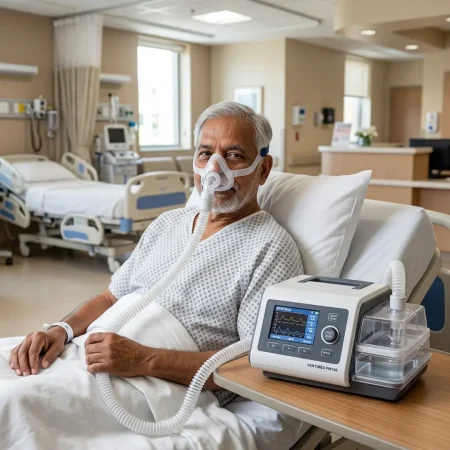
A BiPAP Machine is a non-invasive respiratory support device designed to assist breathing by delivering two different levels of positive airway pressure. It provides higher pressure during inhalation and lower pressure during exhalation, helping make breathing more comfortable for patients who require prescribed ventilation support. BiPAP machines are commonly used in hospitals, clinics, sleep-care centers, and home-care environments under professional guidance. Depending on the model, features may include adjustable pressure settings, digital displays, humidification systems, monitoring functions, and alarm alerts. A properly fitted mask helps deliver effective therapy and improve comfort. The machine should be configured according to a healthcare professional’s prescription, with regular cleaning and maintenance for safe and reliable operation.

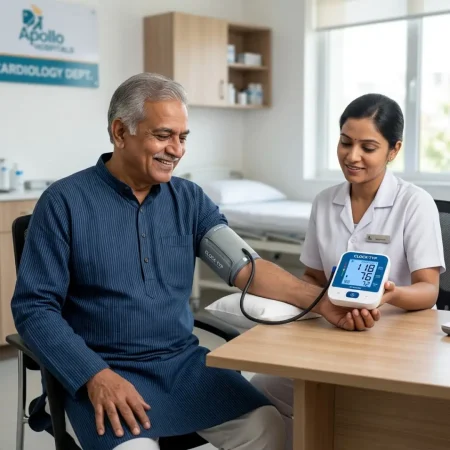
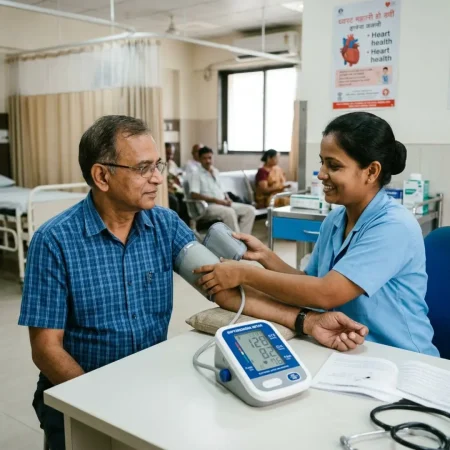
BP Checker

A BP Checker is a medical device used to measure blood pressure and help monitor cardiovascular health. It typically measures systolic and diastolic blood pressure along with pulse rate. Depending on the model, it may feature a digital display, easy-to-use controls, memory storage, and an adjustable arm cuff for convenient measurement. BP checkers are commonly used in hospitals, clinics, pharmacies, workplaces, and homes for routine blood pressure monitoring. Proper cuff placement and correct sitting position are important for obtaining reliable readings. Regular monitoring can help healthcare professionals assess changes in blood pressure over time. The device should be used according to the manufacturer’s instructions and appropriate medical guidance.

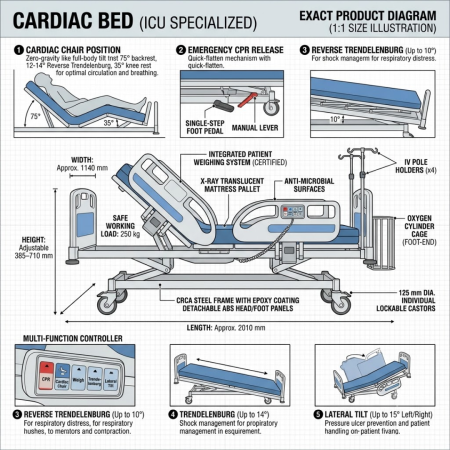
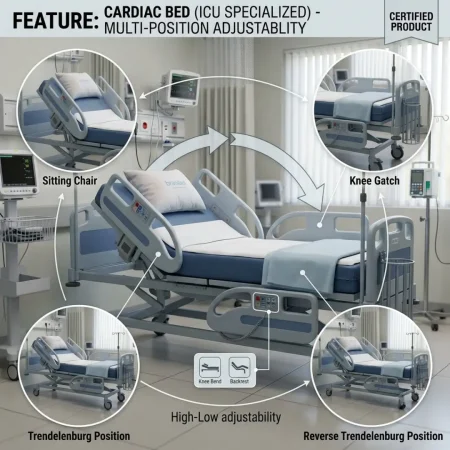
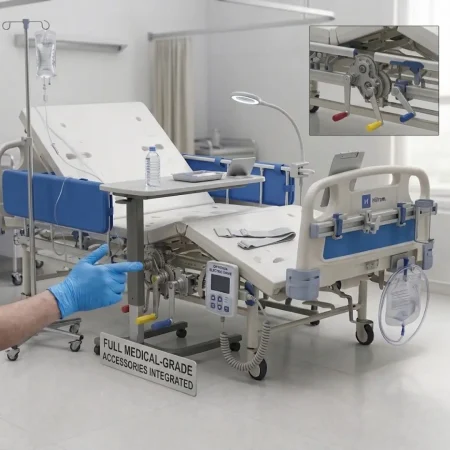
Cardiac Bed

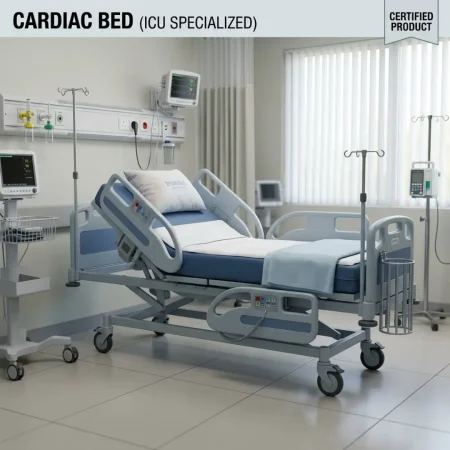
A Cardiac Bed is a specialized hospital bed designed to provide comfort, support, and convenient positioning for patients requiring cardiac care. Its adjustable sections allow healthcare professionals and caregivers to position the patient appropriately for treatment, monitoring, and daily activities. Depending on the model, features may include an adjustable backrest, leg section, height adjustment, side rails, IV pole, and sturdy locking casters. The bed is commonly used in hospitals, cardiac care units, clinics, nursing homes, and other healthcare facilities. Its durable construction supports regular clinical use while promoting patient comfort and caregiver convenience. Proper operation, maintenance, and positioning should follow healthcare requirements and the manufacturer’s instructions for safe use.

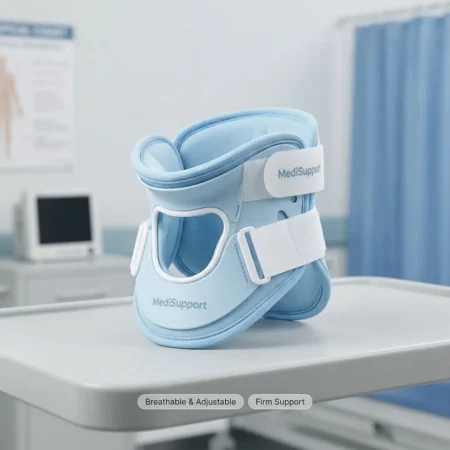
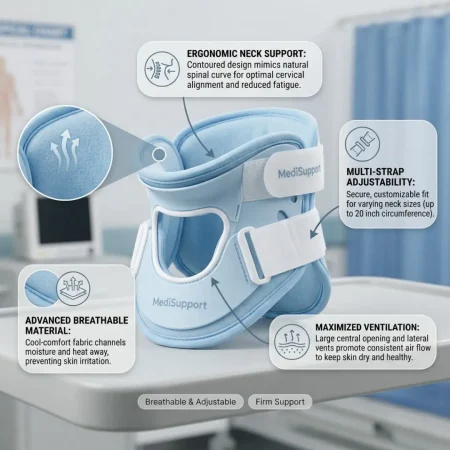
Cervical Collar

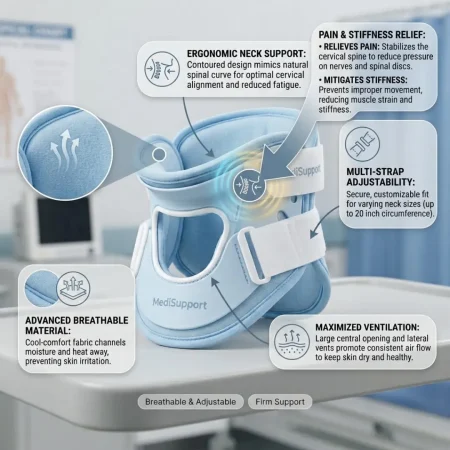
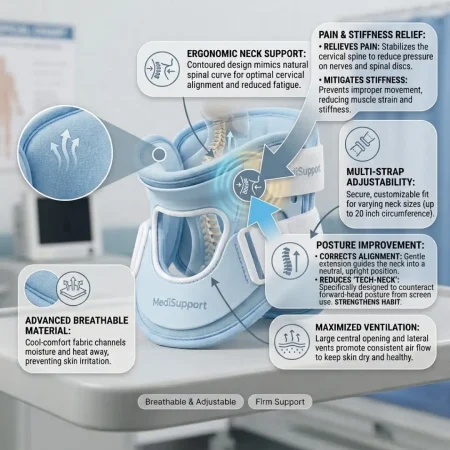
A Cervical Collar is a medical support device designed to provide stability and support to the neck and cervical spine. It can help limit excessive neck movement and maintain the neck in a supported position during recovery from certain injuries or medical conditions. Cervical collars are commonly used in hospitals, clinics, emergency care, rehabilitation centers, and home-care settings. Depending on the design, they may feature soft foam padding, adjustable straps, breathable materials, and contoured support for improved comfort. Proper sizing and fitting are important to ensure effective support without unnecessary pressure. A cervical collar should be used according to healthcare professional recommendations and manufacturer instructions for safe and appropriate use.

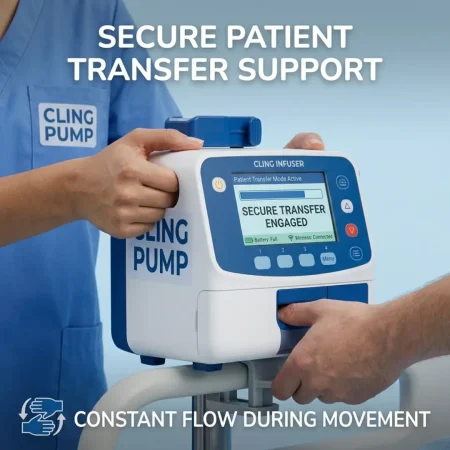
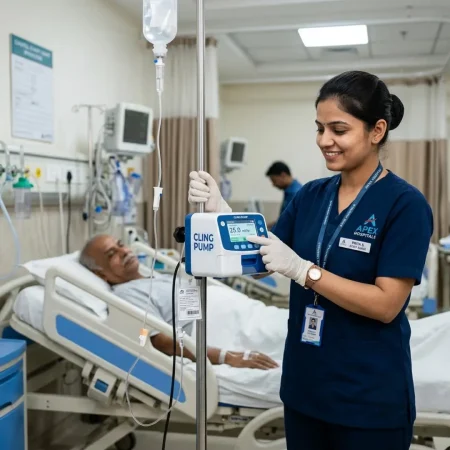
Cling Pump

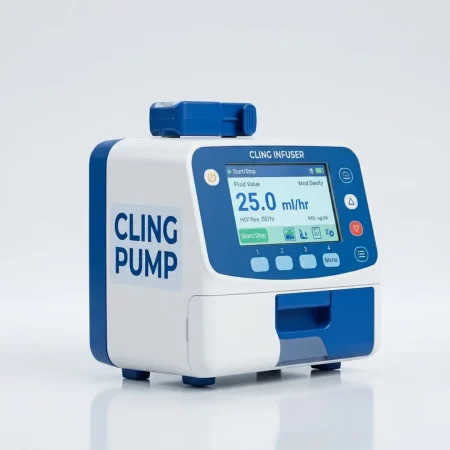
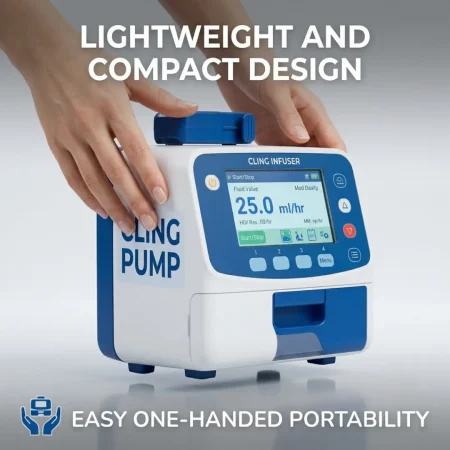
A Cling Pump is a compact and practical pumping device designed to support controlled fluid or air transfer in suitable applications. Its simple construction and convenient operation make it useful in healthcare, laboratory, commercial, or general-purpose environments, depending on the specific model. The pump can be designed for easy handling, installation, and routine maintenance. Durable components can help provide dependable performance during regular use, while a compact design allows convenient storage and transportation. Proper connections and operating settings are important for efficient performance and safe operation. As specifications can vary by model, users should follow the manufacturer’s instructions for installation, cleaning, maintenance, and appropriate application of the Cling Pump.

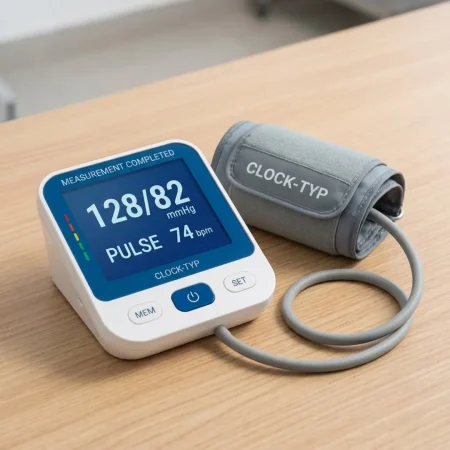
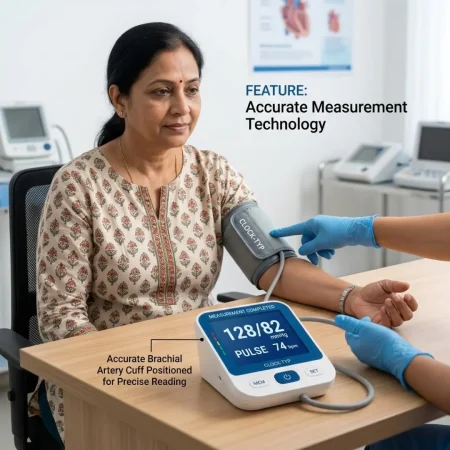
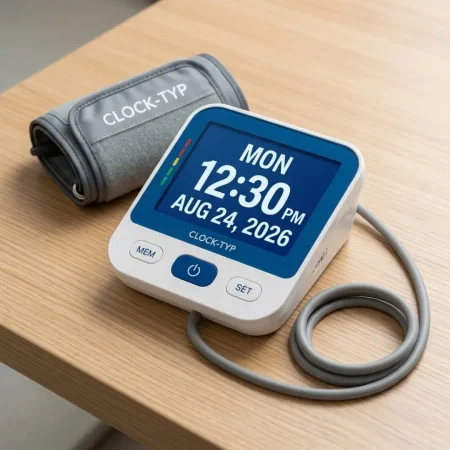
Clock-Type BP Monitor

A Clock-Type BP Monitor is a traditional aneroid blood pressure measuring device designed for accurate monitoring of systolic and diastolic blood pressure. It features a clock-style dial gauge that clearly displays pressure readings, along with an inflatable cuff, tubing, and inflation bulb. Its easy-to-read design makes it suitable for hospitals, clinics, medical centers, and home healthcare use. The monitor does not require batteries, making it convenient for regular use and easy to maintain. Proper cuff placement, inflation, and measurement technique are important for reliable readings. The device should be handled carefully and calibrated regularly to maintain accuracy. Always follow appropriate medical guidance and the manufacturer’s instructions during use.

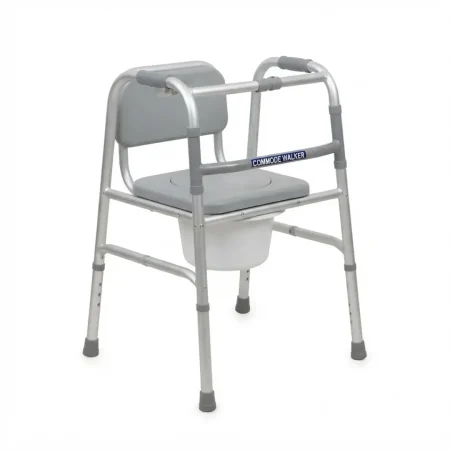
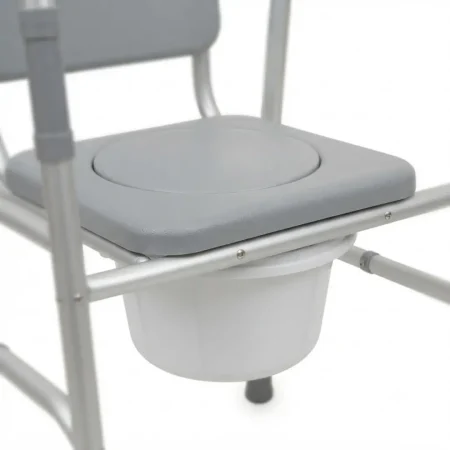
Commode Walker

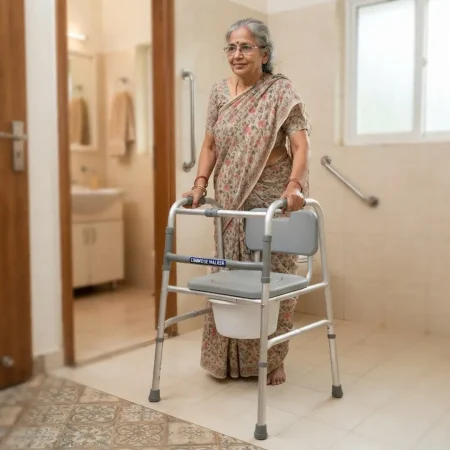
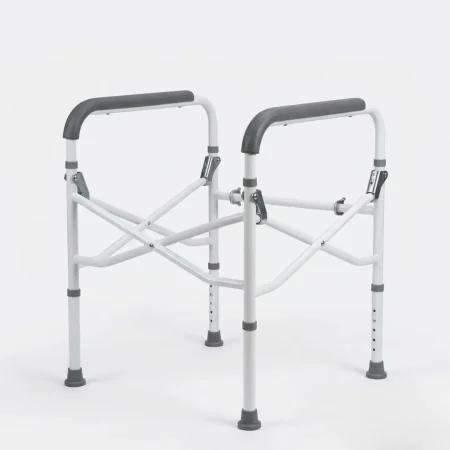
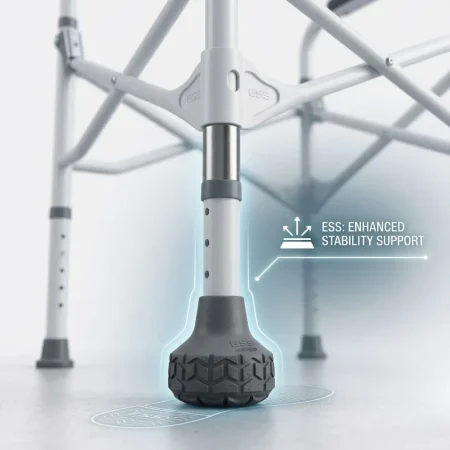
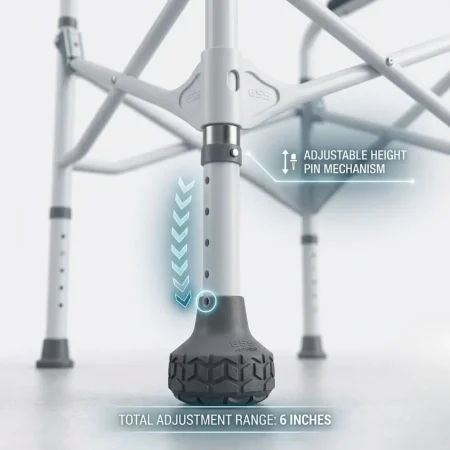
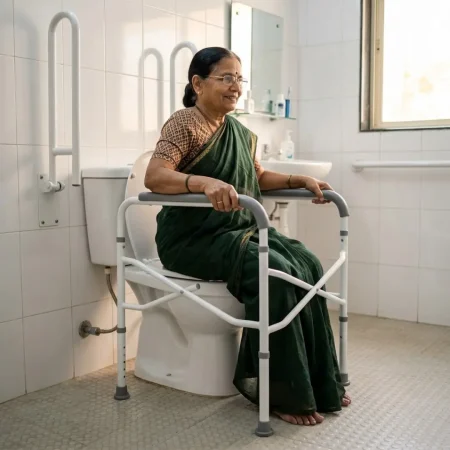
A Commode Walker is a versatile mobility and toileting aid designed to provide walking support while offering convenient access to a built-in commode. It is suitable for individuals who require assistance with balance, mobility, and bathroom routines. The walker typically features a sturdy frame, comfortable hand grips, a supportive seat, and a removable commode bucket for easy cleaning. Adjustable legs allow the height to be customized for improved comfort and stability, while non-slip rubber tips provide secure contact with suitable flooring. Commode walkers are commonly used in homes, hospitals, rehabilitation centers, nursing facilities, and home-care environments. Proper adjustment, regular cleaning, and safe handling are important for reliable and comfortable use.

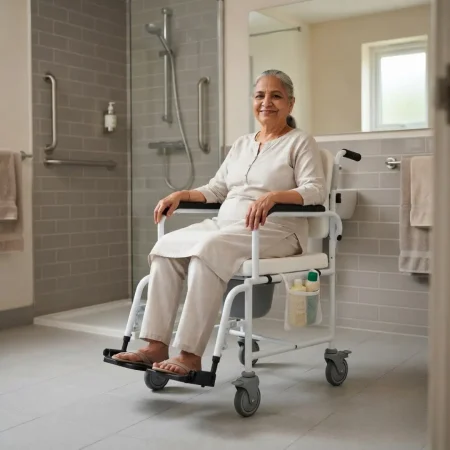
Commode Wheelchair

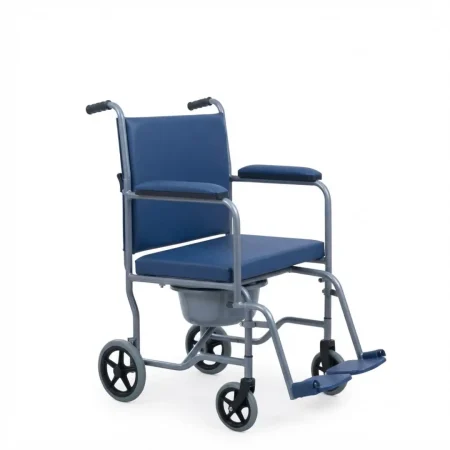
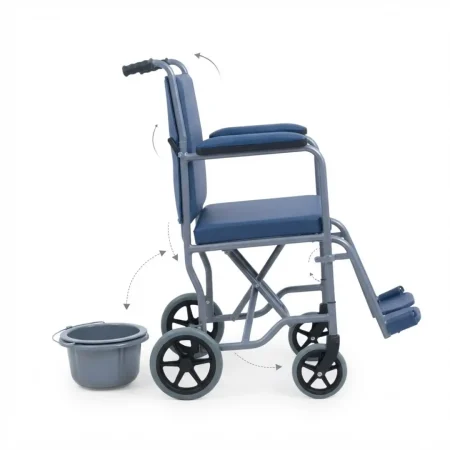
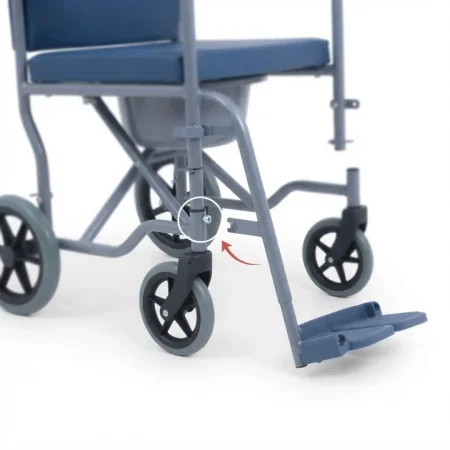
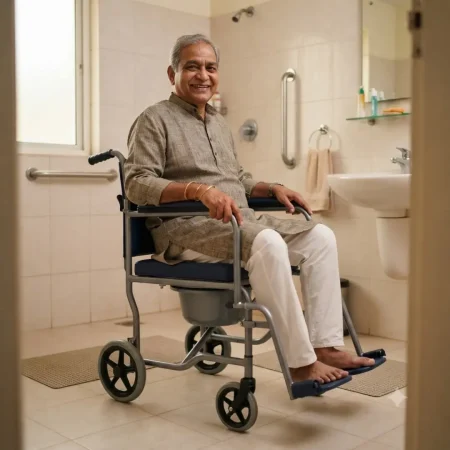
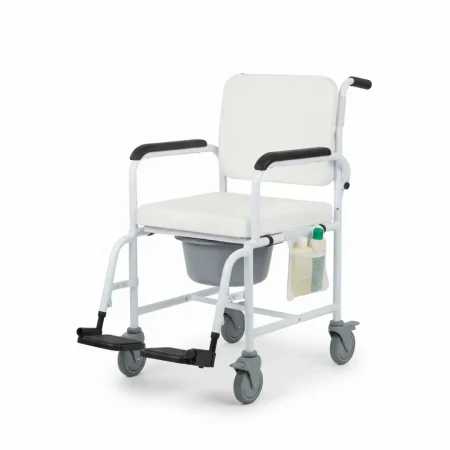
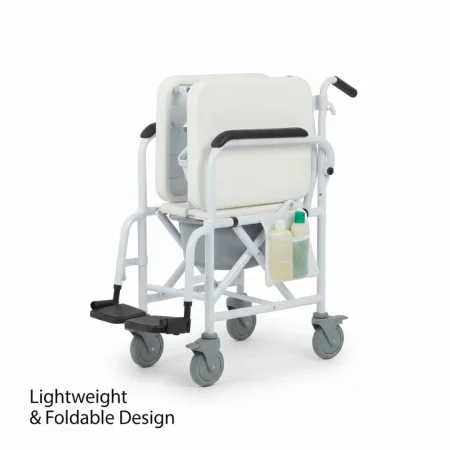
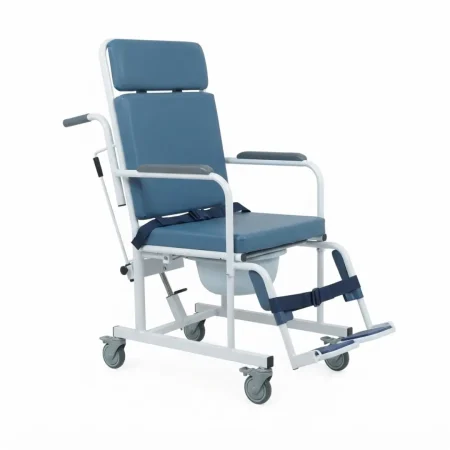
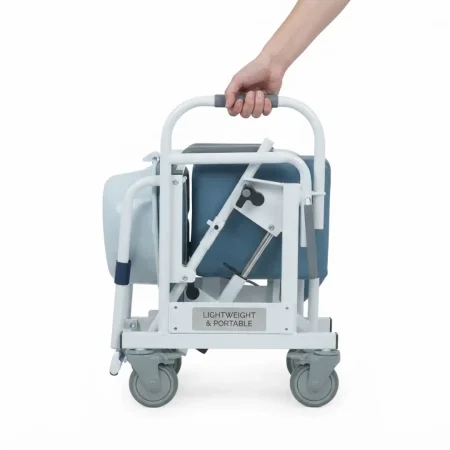
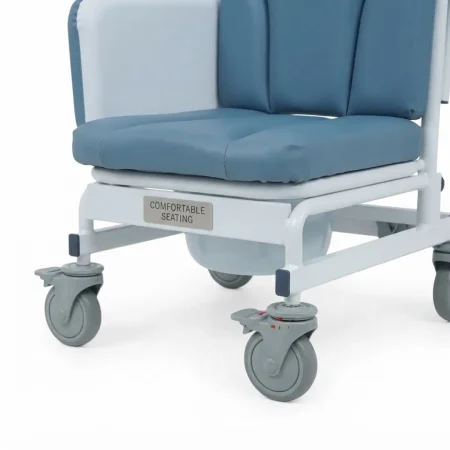
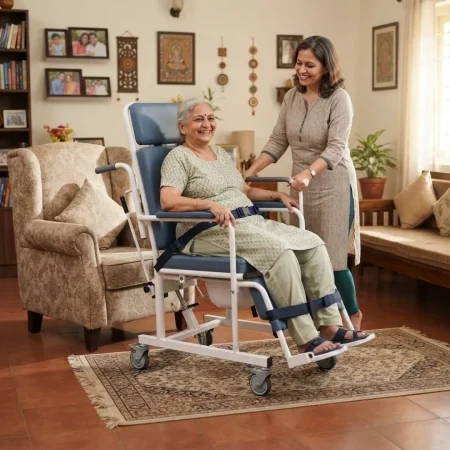
A Commode Wheelchair is a versatile mobility and toileting aid designed for individuals who have difficulty walking or transferring to a regular toilet. It combines the functionality of a wheelchair with a built-in commode, providing convenient support for personal care. The wheelchair typically features a sturdy frame, comfortable seat, armrests, footrests, and a removable commode bucket for easy cleaning and disposal. Locking casters or brakes help provide stability during use, while a lightweight design can make transportation and handling easier. Commode wheelchairs are suitable for homes, hospitals, nursing homes, rehabilitation centers, and healthcare facilities. Proper positioning, cleaning, maintenance, and adherence to the recommended weight capacity are essential for safe and comfortable use.

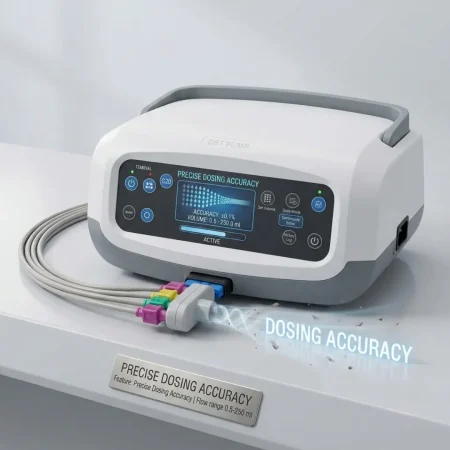
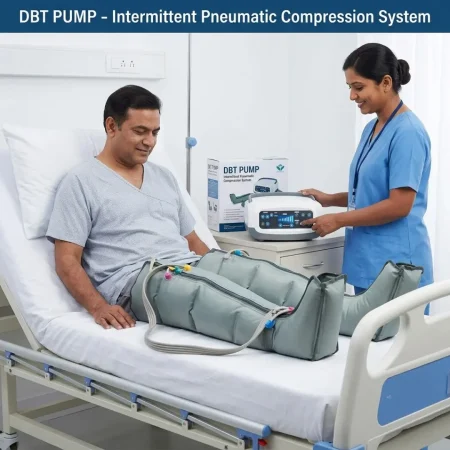
DVT Pump

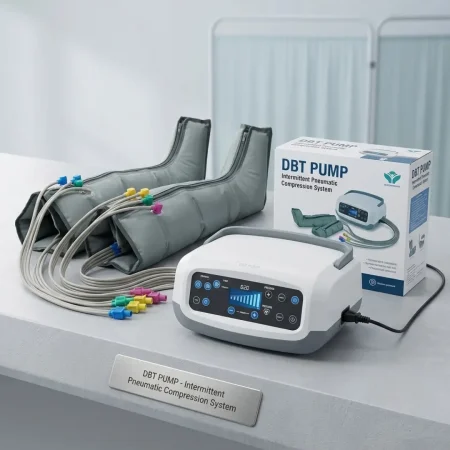
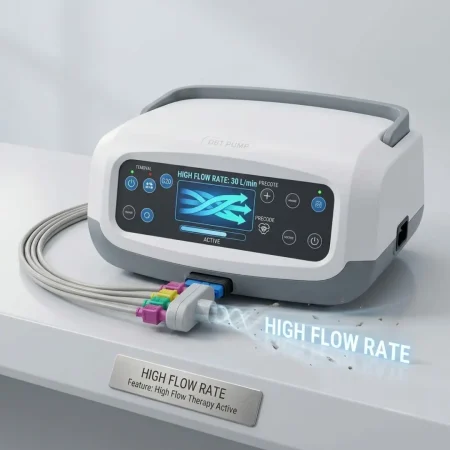
A DVT Pump (Deep Vein Thrombosis Pump) is a pneumatic compression device designed to support blood circulation in the limbs and help reduce the risk of blood clots in patients with limited mobility. It works by inflating specialized sleeves around the legs or other limbs in controlled, sequential cycles, creating gentle compression that promotes venous blood flow. DVT pumps are commonly used in hospitals, clinics, rehabilitation centers, and post-operative care settings. They may feature adjustable pressure, timing controls, and comfortable compression sleeves for convenient use. Proper sleeve placement and appropriate pressure settings are important for safe operation. The device should be used according to a healthcare professional’s recommendation and the manufacturer’s instructions.

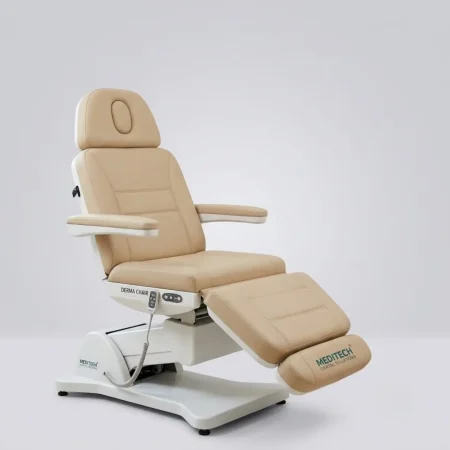
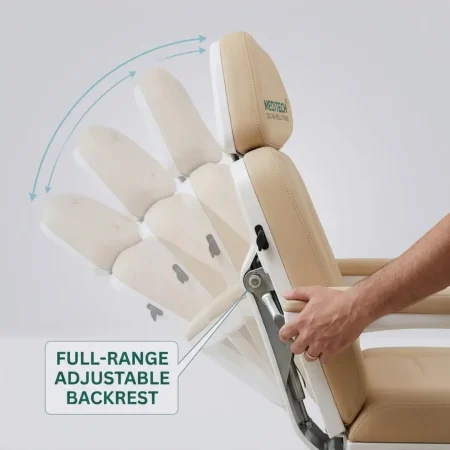
Derma Chair

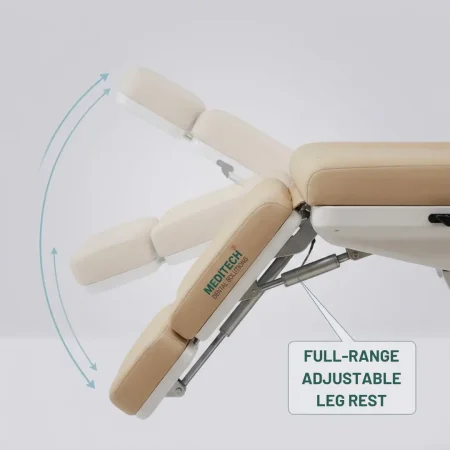
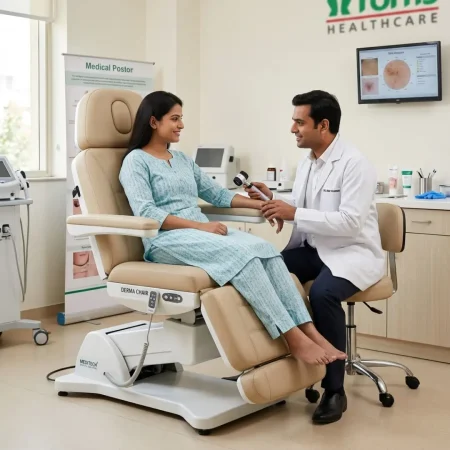
A Derma Chair is a specialized treatment chair designed for dermatology, skincare, aesthetic, and cosmetic procedures. It provides a comfortable and stable platform for patients while allowing healthcare and skincare professionals to perform examinations and treatments with greater convenience. The chair may feature adjustable backrests, leg sections, height settings, and reclining positions to support different procedures and patient requirements. Its durable construction and easy-to-clean upholstery make it suitable for clinics, dermatology centers, beauty clinics, and aesthetic treatment facilities. A smooth adjustment mechanism can improve accessibility and positioning during procedures. Regular cleaning, inspection, and maintenance are important for hygiene, durability, and reliable performance. Always operate the chair according to manufacturer guidelines.

Digital Blood Pressure Monitor

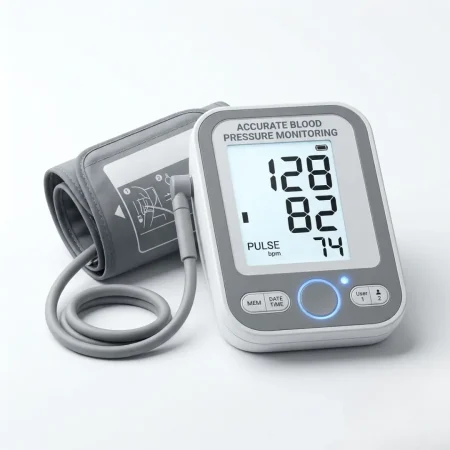
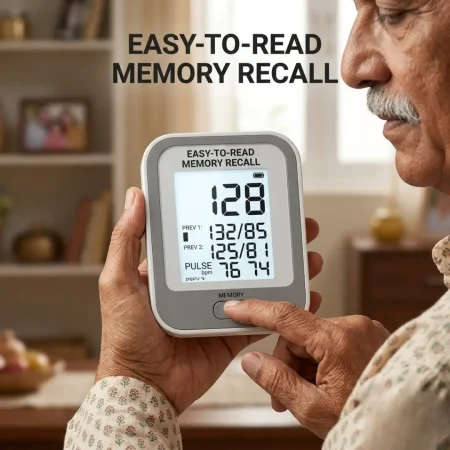
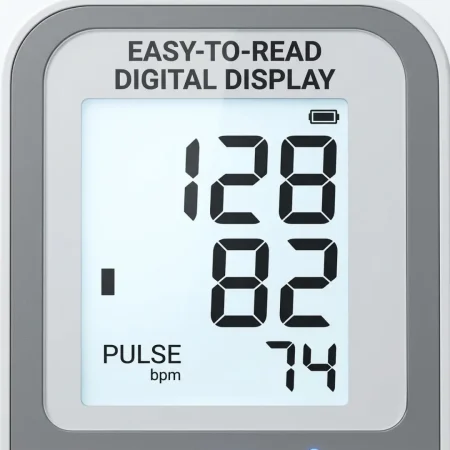
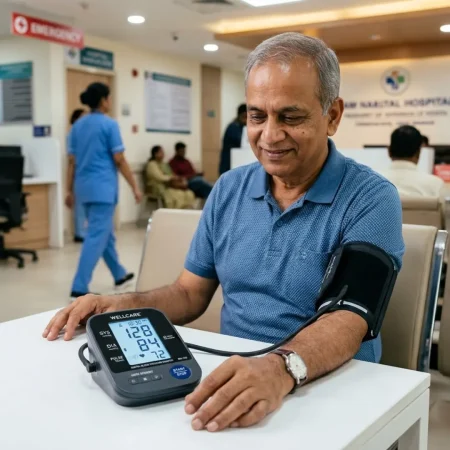
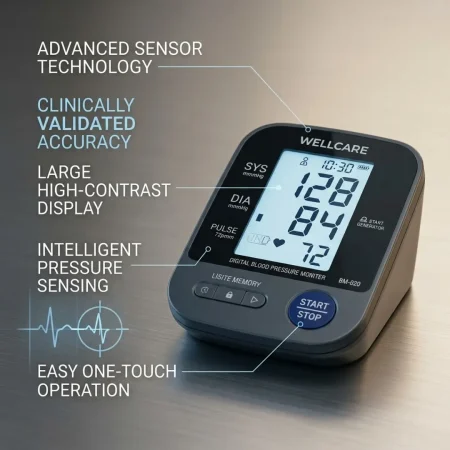
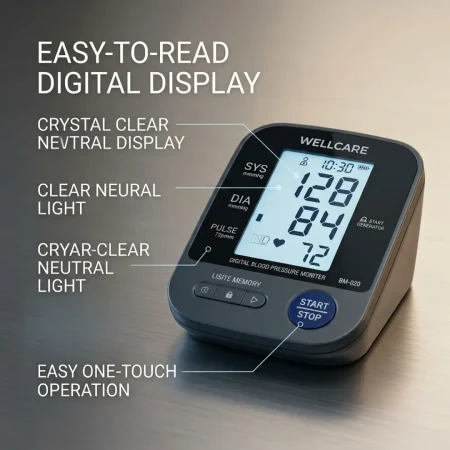
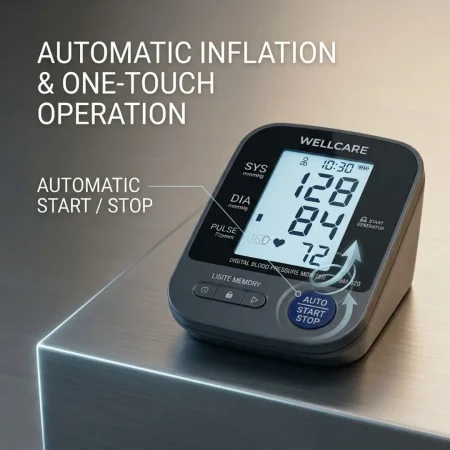
A Digital Blood Pressure Monitor is an electronic medical device designed to measure blood pressure and pulse rate quickly and conveniently. It usually features an automatic inflatable cuff and a digital display that shows systolic pressure, diastolic pressure, and pulse readings. Its simple operation makes it suitable for hospitals, clinics, pharmacies, offices, and home healthcare environments. Some models may include memory storage, irregular heartbeat detection, and multiple user profiles for convenient tracking. Correct cuff placement, a comfortable sitting position, and following the manufacturer’s instructions are important for reliable measurements. Regular monitoring can help users and healthcare professionals track blood pressure over time. Medical advice should be followed when interpreting readings.

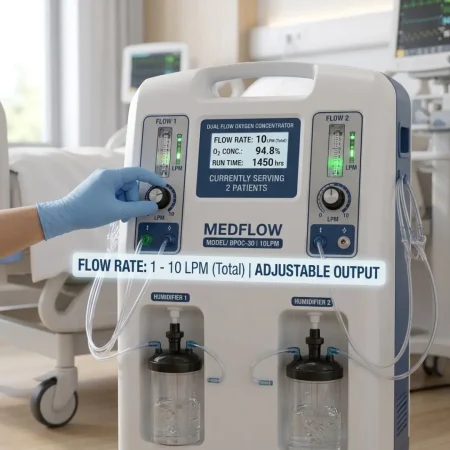
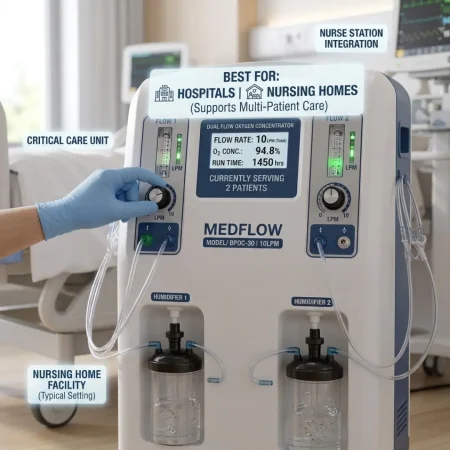
Dual Flow Oxygen Concentrator

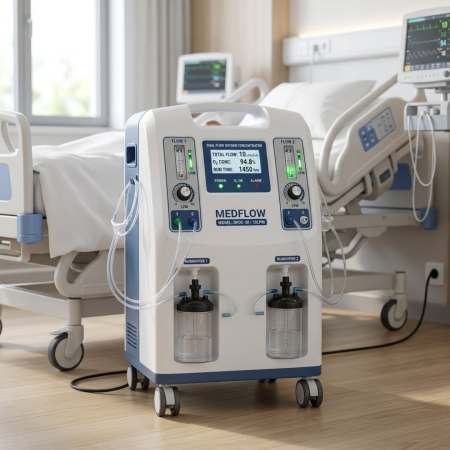
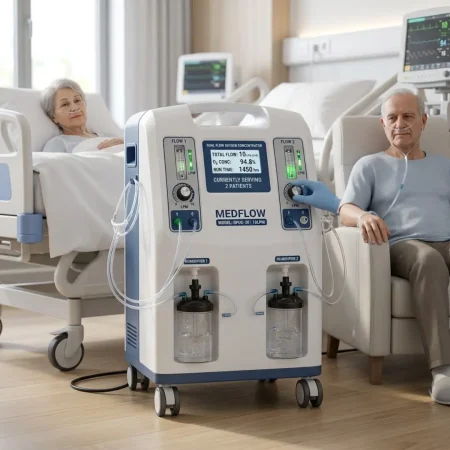
A Dual Flow Oxygen Concentrator is a medical oxygen therapy device designed to provide concentrated oxygen to two users simultaneously, depending on the model and prescribed requirements. It draws in surrounding air, removes nitrogen, and delivers concentrated oxygen through separate outlet ports. This makes it useful in hospitals, clinics, nursing homes, and home-care environments where multiple patients may require oxygen support. The device typically features independent flow controls that allow each outlet to be adjusted according to prescribed settings. Its continuous operation can reduce reliance on conventional oxygen cylinders. Proper installation, regular cleaning, and maintenance are important for safe performance. Oxygen flow should always be set according to qualified healthcare professional guidance.

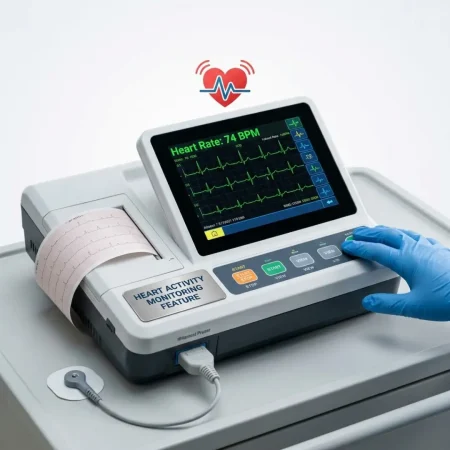
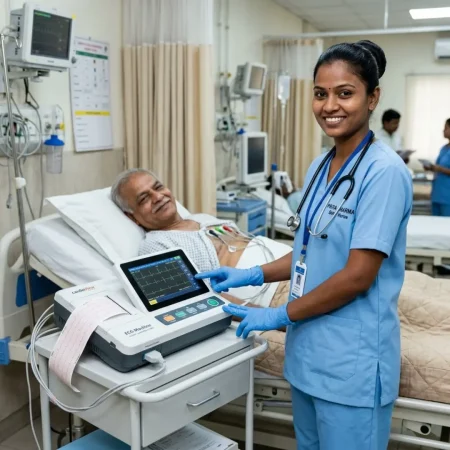
ECG Machine

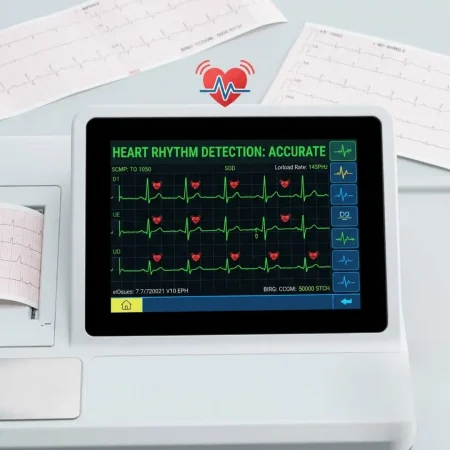
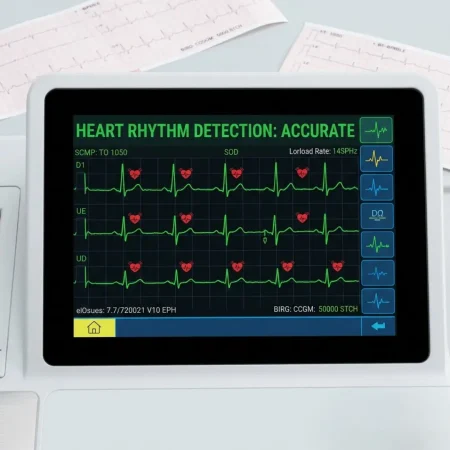
An ECG Machine is a medical diagnostic device used to record the electrical activity of the heart and help healthcare professionals evaluate heart rhythm and rate. It captures electrical signals through electrodes placed on specific areas of the body and displays or prints the resulting electrocardiogram waveform. ECG machines are commonly used in hospitals, clinics, diagnostic centers, emergency departments, and cardiac care facilities. Depending on the model, features may include a digital display, automatic interpretation, thermal printing, data storage, and multiple recording modes. The device is designed for quick and convenient cardiac assessment. Proper electrode placement and correct operation are important for accurate results. ECG testing should be performed by trained healthcare professionals.

Examination Table

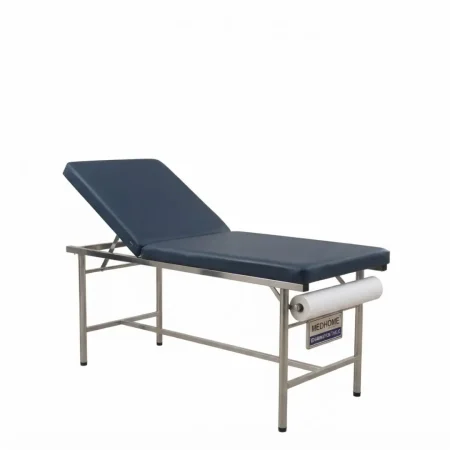
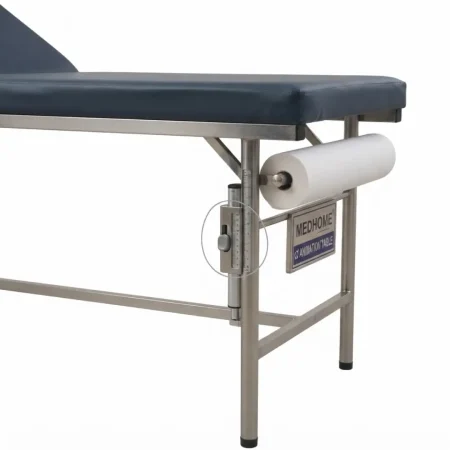
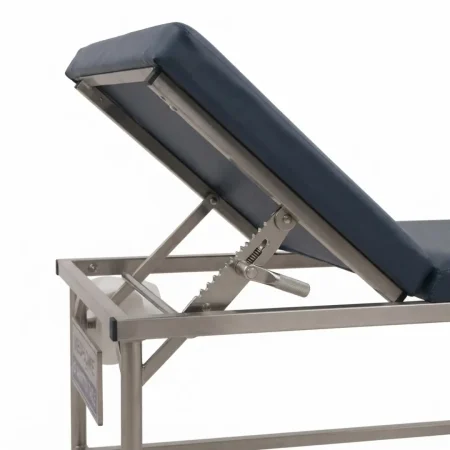
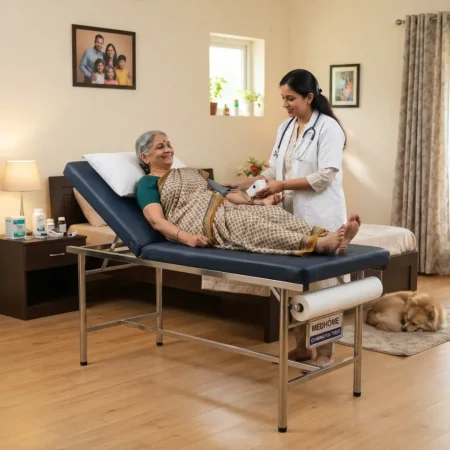
An Examination Table is a versatile medical furniture unit designed to provide a stable and comfortable surface for patient examinations, consultations, and routine clinical procedures. It is commonly used in hospitals, clinics, diagnostic centers, medical offices, and healthcare facilities. Depending on the model, it may feature a sturdy frame, cushioned mattress, adjustable backrest, height adjustment, and easy-to-clean upholstery. Some examination tables may also include paper roll holders, storage compartments, side rails, or adjustable sections for greater convenience. Its durable construction supports regular clinical use while maintaining stability and patient comfort. Proper cleaning and routine maintenance help maintain hygiene and extend the table’s service life. Proper operation according to manufacturer guidelines is recommended.

Flow Oxygen Concentrator

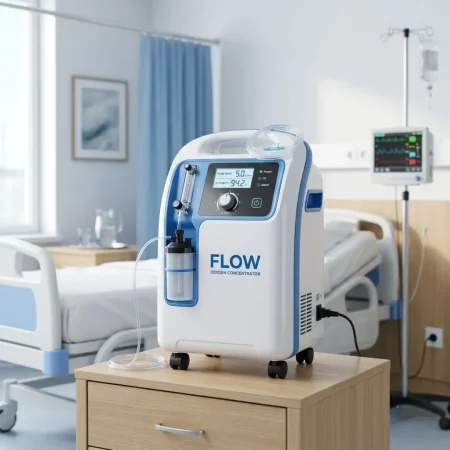
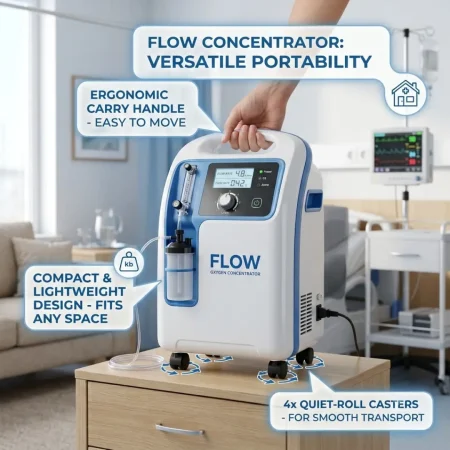
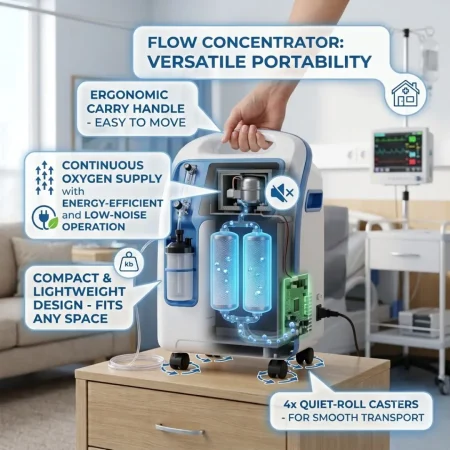
A Flow Oxygen Concentrator is a medical device designed to provide a continuous supply of concentrated oxygen for patients who require prescribed oxygen therapy. It draws in room air, removes nitrogen and other gases, and delivers concentrated oxygen through an outlet connected to suitable oxygen delivery accessories. The device can be used in hospitals, clinics, nursing homes, rehabilitation centers, and home-care environments. Depending on the model, it may offer adjustable flow settings, easy-to-use controls, clear indicators, and continuous operation. Its compact design can make it convenient for regular use. Proper setup, cleaning, and maintenance are important for reliable performance. Oxygen flow should always be selected according to qualified healthcare professional guidance

FMT-2100 Ventilator

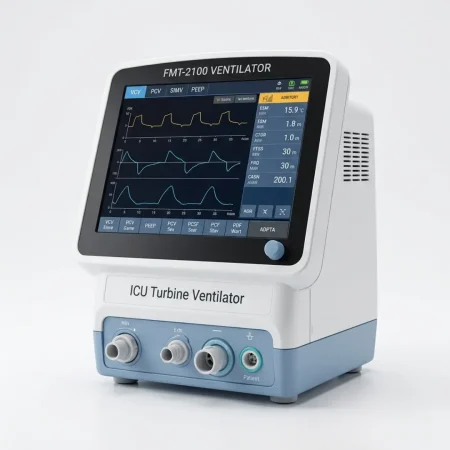
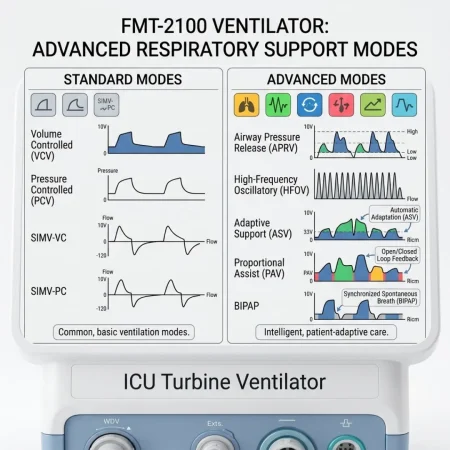
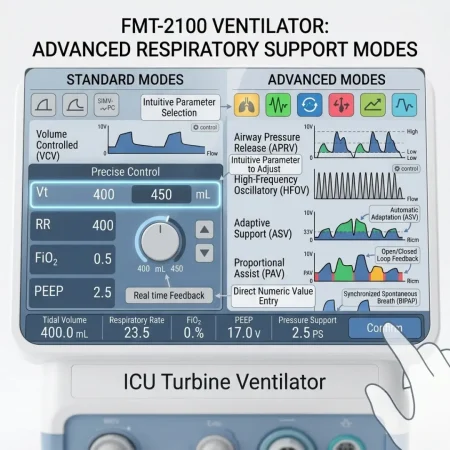
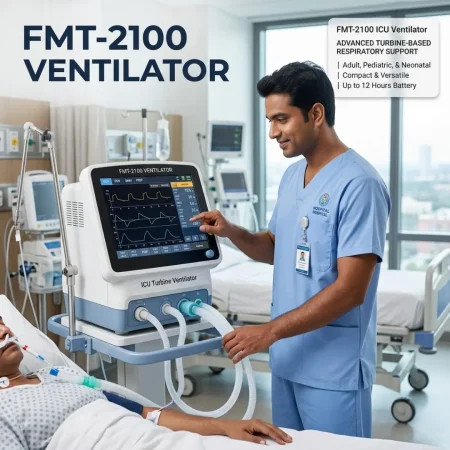
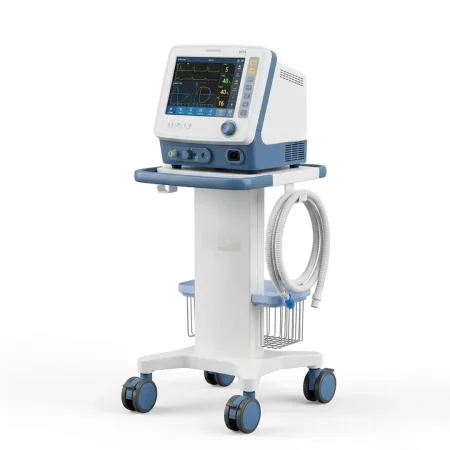
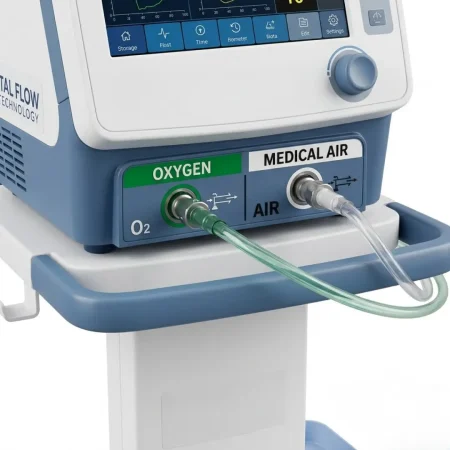
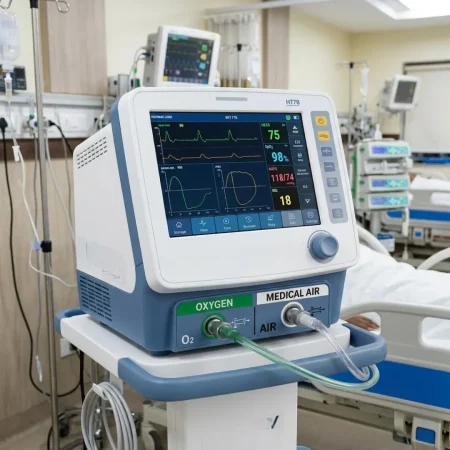
The FMT-2100 Ventilator is a medical respiratory support device designed to assist patients who require mechanical breathing support. It delivers controlled airflow and oxygen according to prescribed ventilation settings, helping healthcare professionals manage patients who need respiratory assistance. The ventilator can be used in hospitals, intensive care units, emergency departments, clinics, and other healthcare environments, depending on its configuration. A clear interface and adjustable controls can support convenient monitoring and operation. Depending on the model and setup, ventilation modes, pressure controls, alarm systems, and monitoring functions may be available. Proper patient assessment, setup, and continuous supervision by trained healthcare professionals are essential for safe and effective ventilator operation.

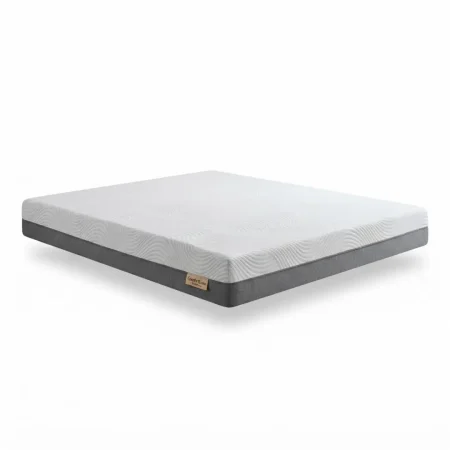
Foam Mattres

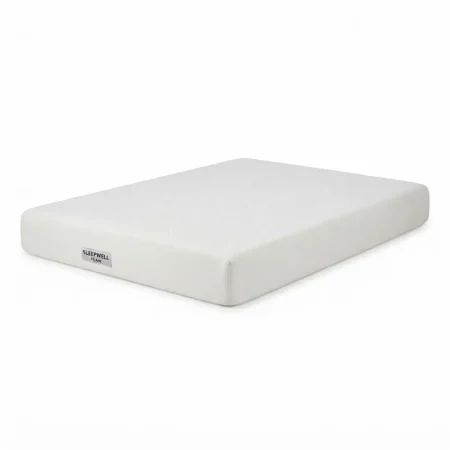
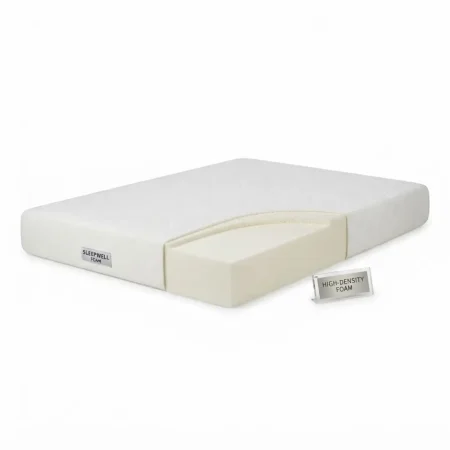
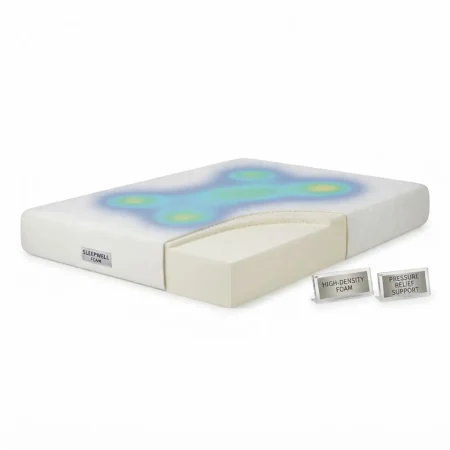
A Foam Mattress is a comfortable and supportive bedding solution designed for use in hospitals, clinics, nursing homes, rehabilitation centers, and home-care environments. It provides cushioning and support while helping distribute body weight across the sleeping surface. Made from durable foam materials, the mattress can offer a comfortable resting experience for patients and users. Its lightweight construction makes handling, cleaning, and maintenance convenient. Depending on the model, features may include different foam densities, protective waterproof covers, breathable materials, and easy-to-clean surfaces. A quality foam mattress can support proper patient comfort during extended periods of rest. Regular cleaning and inspection help maintain hygiene, durability, and overall performance.

Foldable Stretcher

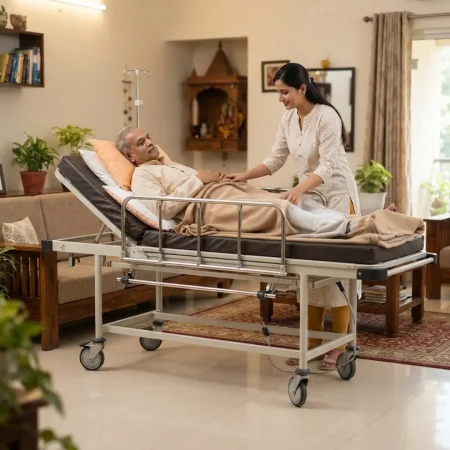
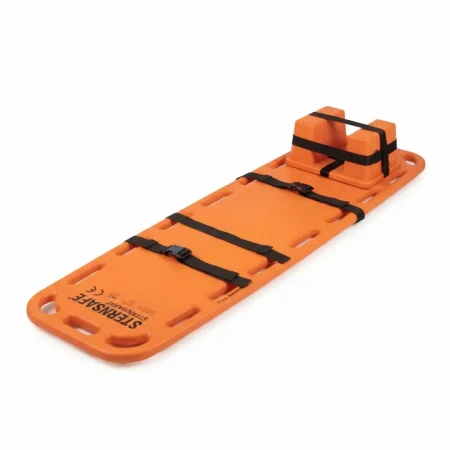
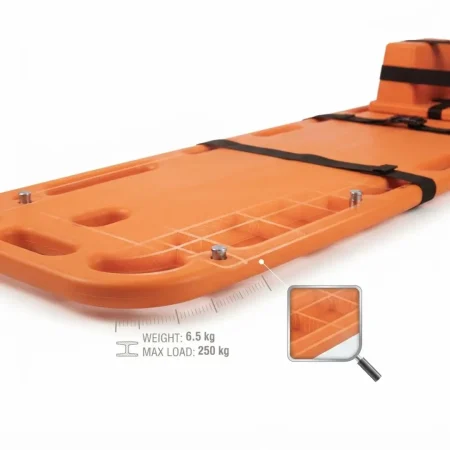
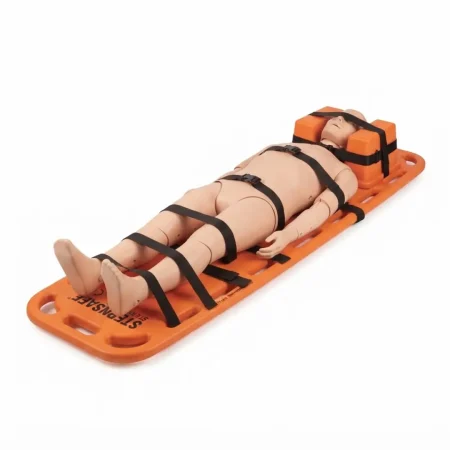
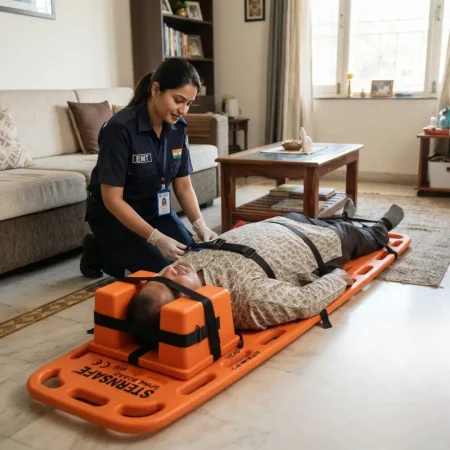
A Foldable Stretcher is a practical patient transport and emergency handling device designed to safely move individuals from one location to another. Its foldable construction allows convenient storage, transportation, and quick deployment when required. The stretcher typically features a durable yet lightweight frame, strong patient-support surface, secure handles, and safety straps for improved stability. Depending on the model, it may also include locking mechanisms, reinforced joints, and an easy-to-clean surface for better hygiene. Foldable stretchers are commonly used in hospitals, ambulances, clinics, rescue operations, emergency services, and disaster-response situations. Proper patient securing, careful handling, regular inspection, and maintenance are essential for safe and reliable operation.

Foldable Walker

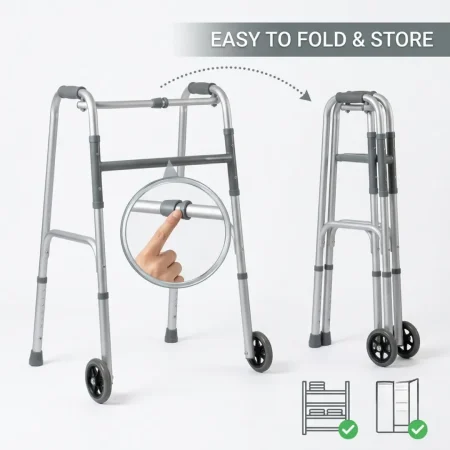
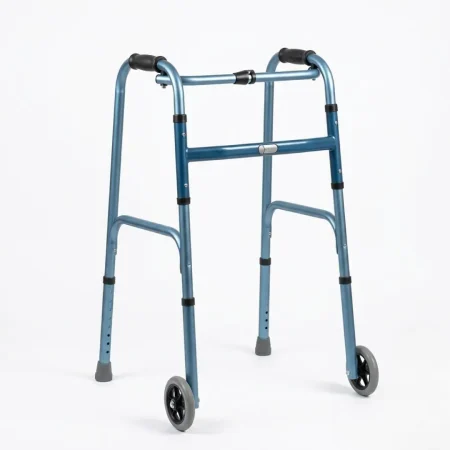
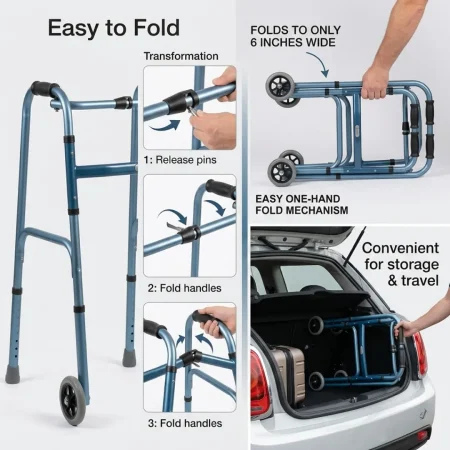
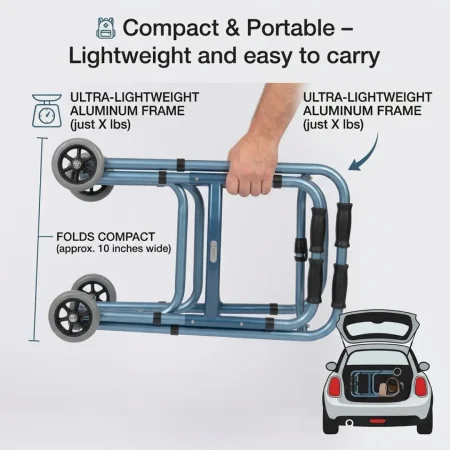
A Foldable Walker is a practical mobility aid designed to provide stability, balance, and support for individuals who need assistance while walking. Its lightweight and foldable design makes it convenient to use, transport, and store when not required. The sturdy frame provides reliable support, while comfortable hand grips offer a secure hold during movement. Many foldable walkers feature adjustable height settings, allowing users to customize the walker according to their comfort and posture. Non-slip rubber tips help provide better grip on suitable surfaces. Foldable walkers are commonly used in homes, hospitals, clinics, rehabilitation centers, and senior-care facilities. Proper height adjustment and safe handling are important for comfortable and reliable use.

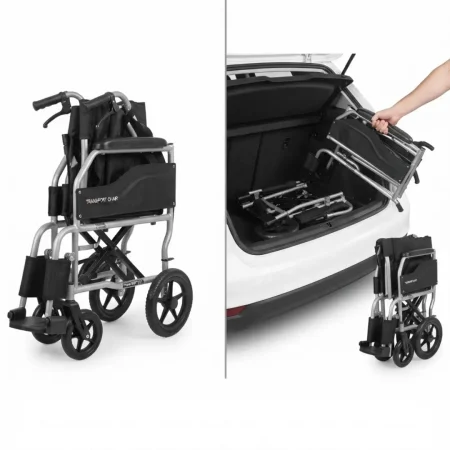
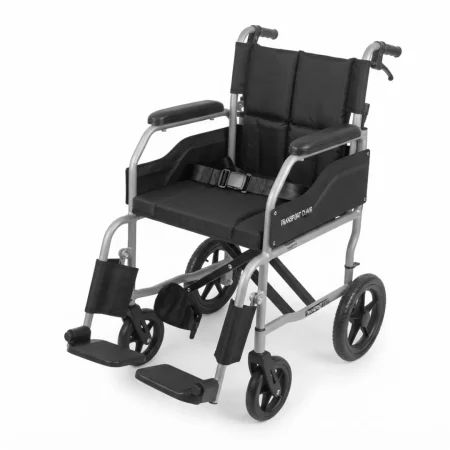
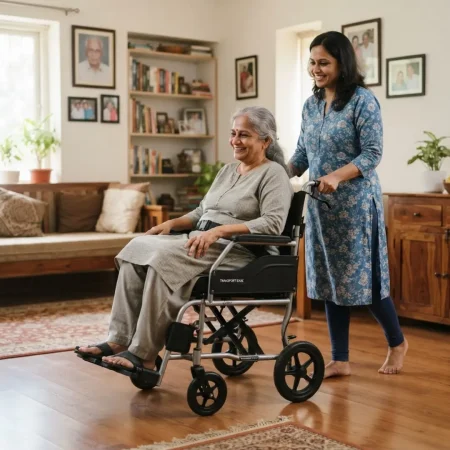
Foldable Wheelchair

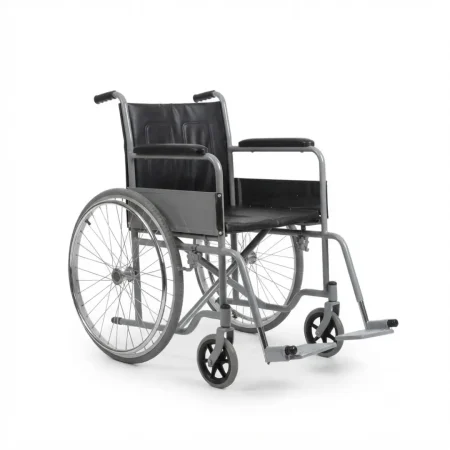
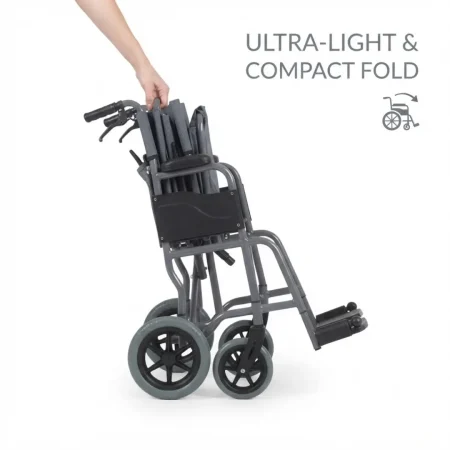
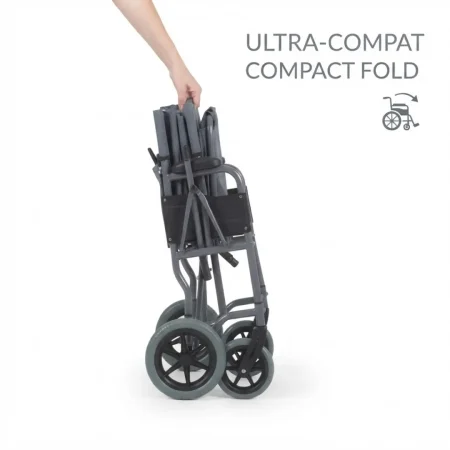
A Foldable Wheelchair is a practical mobility aid designed to provide comfortable and convenient transportation for individuals with limited mobility. Its foldable frame allows easy storage and transportation, making it suitable for homes, hospitals, clinics, rehabilitation centers, and travel. The sturdy construction provides stability, while a comfortable seat, supportive backrest, armrests, and footrests enhance user comfort. Large rear wheels and smooth front casters allow easy maneuverability across suitable indoor and outdoor surfaces. Many models also feature locking brakes for added safety and convenience. The lightweight design makes handling easier for caregivers and attendants. Proper maintenance, safe handling, and adherence to the recommended weight capacity are important for reliable use.

Folding Portable Bed

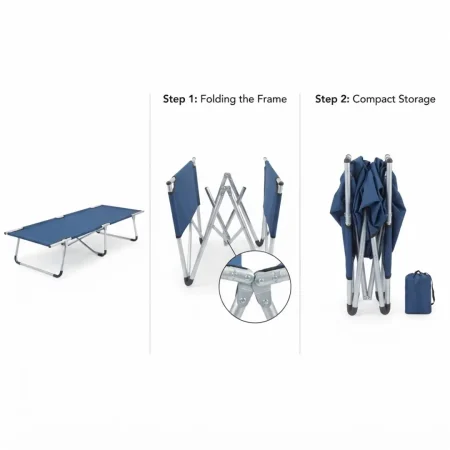
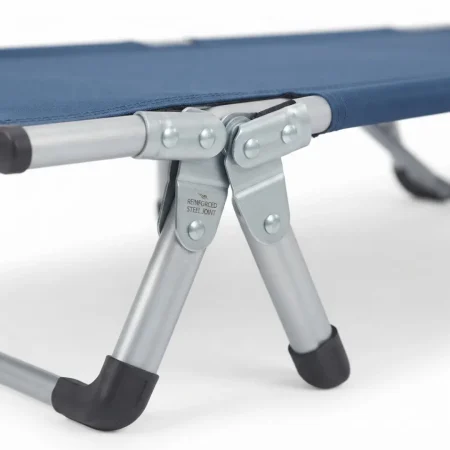
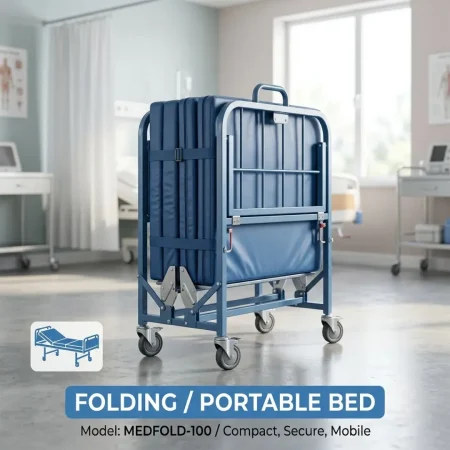
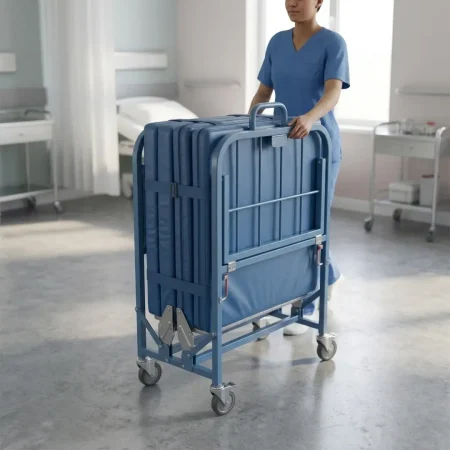
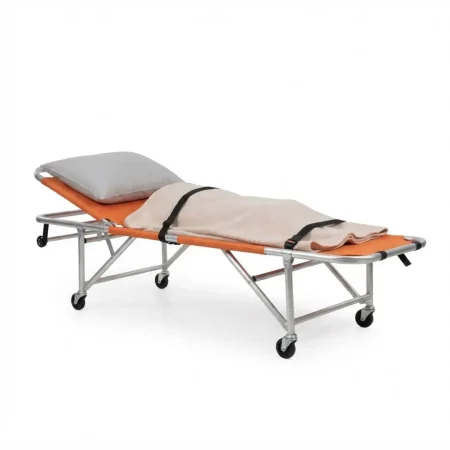
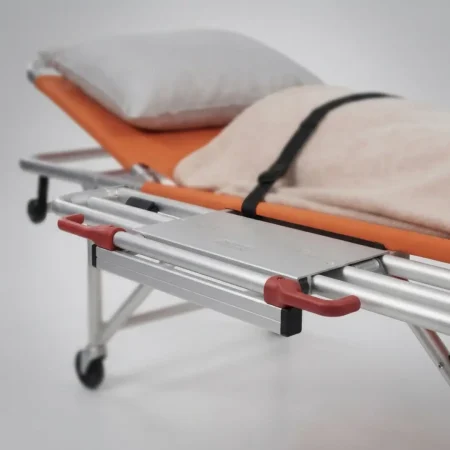
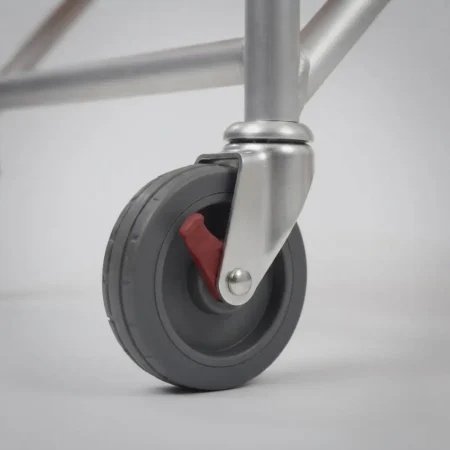
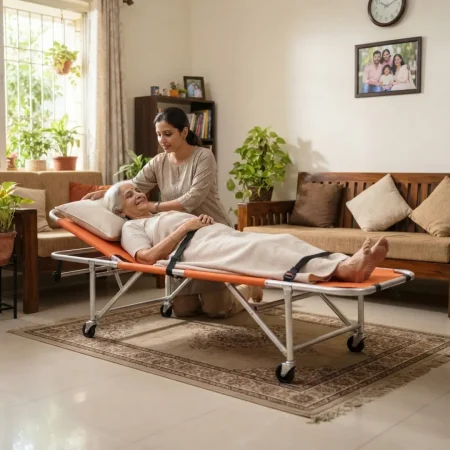
A Folding Portable Bed is a convenient and space-saving sleeping solution designed for easy setup, storage, and transportation. Its foldable frame allows the bed to be quickly assembled when needed and compactly stored when not in use. The sturdy construction provides reliable support, while a comfortable mattress or cushioned surface can enhance the resting experience. Folding portable beds are suitable for hospitals, clinics, home-care environments, guest rooms, temporary accommodations, and travel purposes. Their lightweight and practical design makes them easy to move between locations. Depending on the model, features may include wheels, safety locks, adjustable sections, and durable fabric or metal construction. Proper setup and regular inspection help ensure safe and comfortable use.

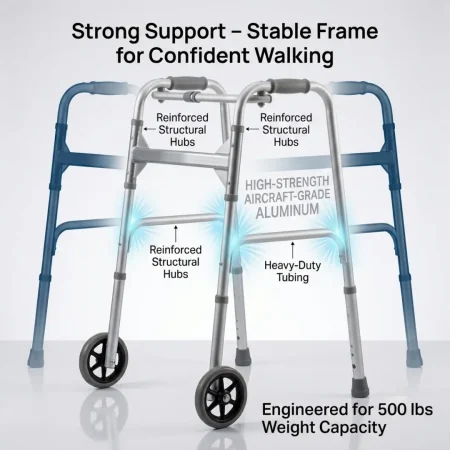
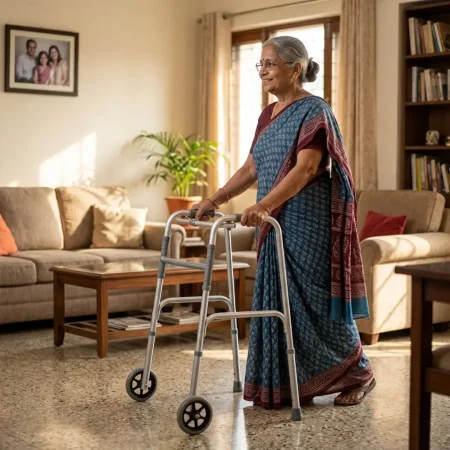
Front Wheel Walker

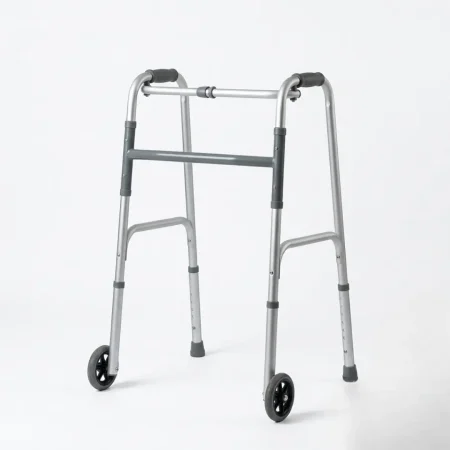
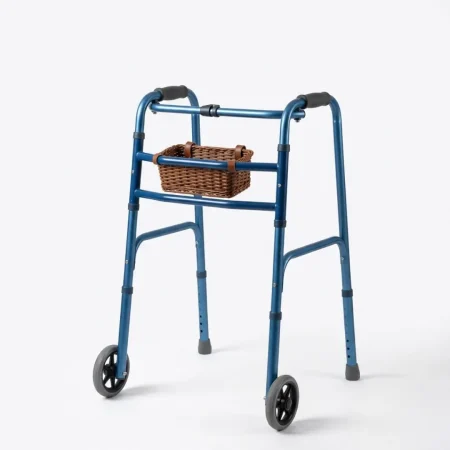
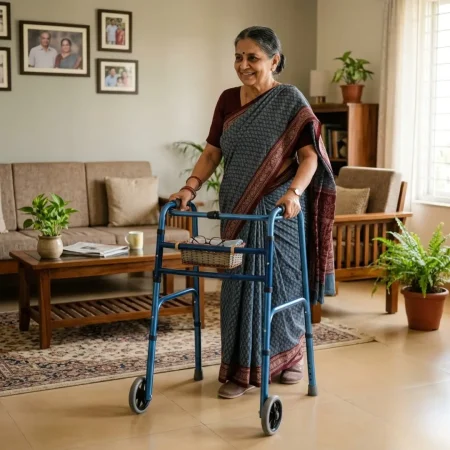
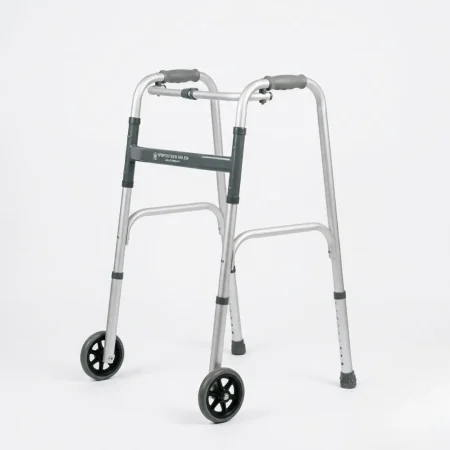
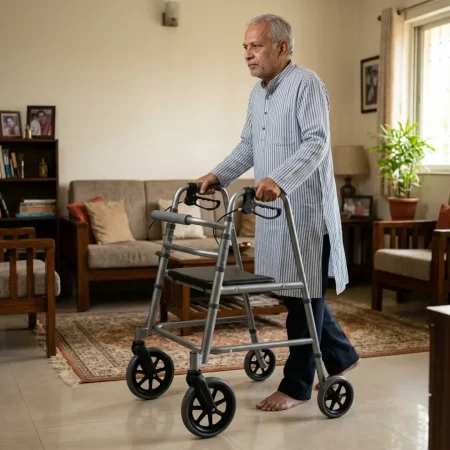
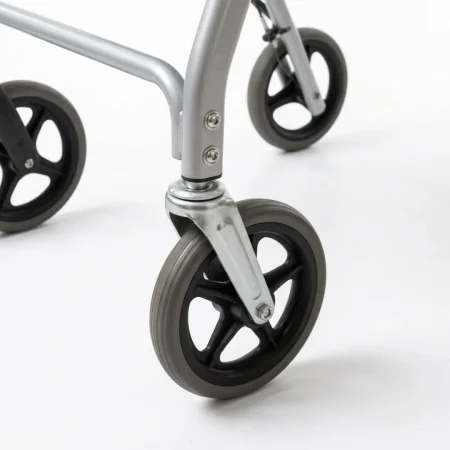
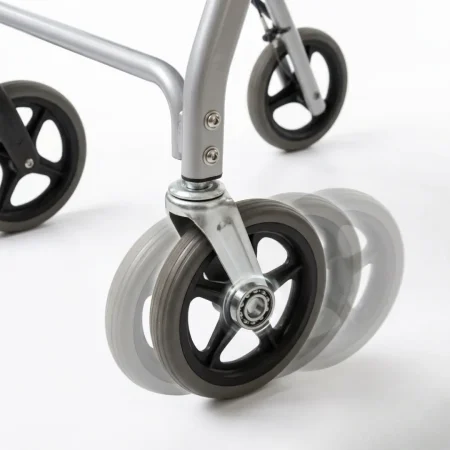
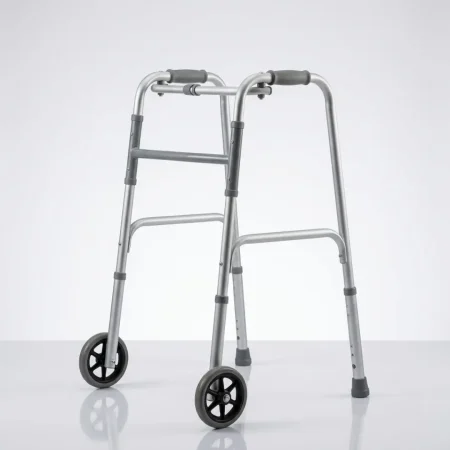
A Front Wheel Walker is a mobility aid designed to provide stability, balance, and support for individuals who need assistance while walking. It features wheels on the front legs, allowing the walker to move smoothly forward without requiring users to lift the entire frame. Its sturdy construction provides dependable support, while comfortable hand grips help ensure a secure and controlled hold. Many models offer adjustable height settings to accommodate different users and promote a comfortable walking posture. Front wheel walkers are commonly used in homes, hospitals, clinics, rehabilitation centers, and senior-care facilities. Non-slip rear tips can provide additional stability during movement. Proper adjustment, safe handling, and regular inspection are important for reliable use.

Full Fowler Bed

A Full Fowler Bed is a specialized hospital bed designed to provide adjustable positioning and enhanced comfort for patients requiring extended bed rest or medical care. Its backrest can be raised to a high angle, helping patients sit upright for activities such as eating, reading, or receiving treatment. The bed may also include adjustable leg sections, sturdy side rails, locking casters, and a durable frame for added safety and convenience. Full Fowler beds are commonly used in hospitals, clinics, nursing homes, rehabilitation centers, and home-care environments. Their adjustable design can assist caregivers with patient handling and positioning. Proper operation, regular cleaning, and maintenance should follow manufacturer guidelines and healthcare requirements.

Gel Mattress

A Gel Mattress is a specialized mattress designed to provide enhanced comfort, cushioning, and pressure distribution for patients and individuals who spend extended periods in bed. Its gel-based layer helps distribute body weight more evenly while providing a supportive and comfortable sleeping surface. The mattress can be suitable for hospitals, clinics, nursing homes, rehabilitation centers, and home-care environments. Depending on the model, it may feature a durable waterproof cover, breathable materials, and easy-to-clean surfaces for improved hygiene and maintenance. Its supportive construction can help promote comfortable positioning during rest. Regular cleaning, proper handling, and inspection are important to maintain the mattress’s condition, hygiene, and long-term performance.

Glucometer

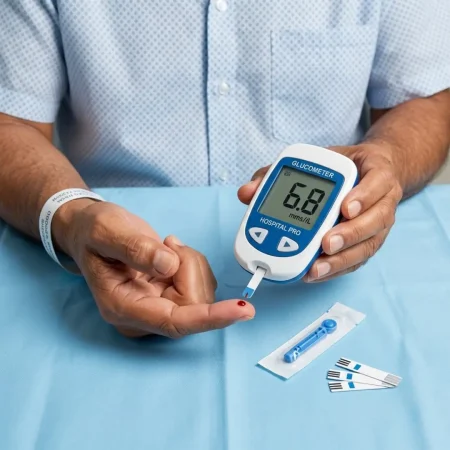
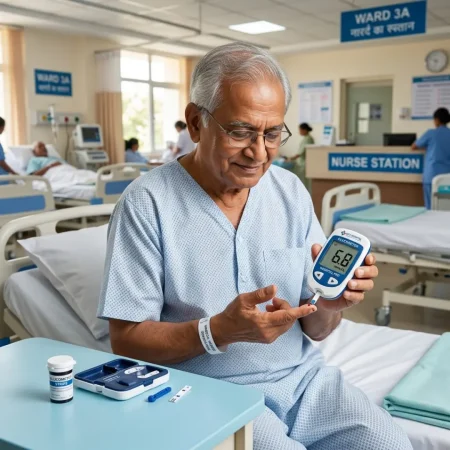
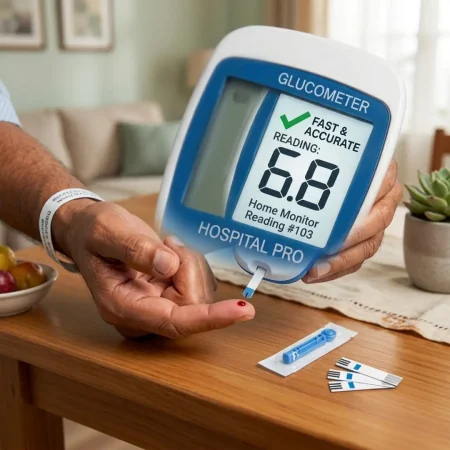
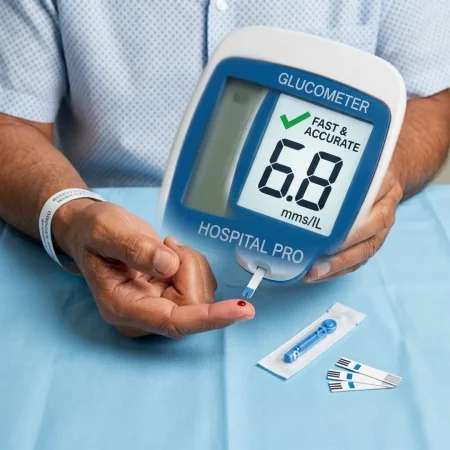
A Glucometer is a compact medical device used to measure blood glucose levels quickly and conveniently. It helps individuals and healthcare professionals monitor blood sugar as part of diabetes management and routine health monitoring. The device generally works with test strips and a small blood sample obtained using a lancet. Modern glucometers may feature a clear digital display, memory storage, automatic coding, and easy-to-use controls. Their portable design makes them suitable for use at home, clinics, hospitals, and during travel. Proper hand hygiene, correct test-strip handling, and accurate sample collection are important for reliable readings. Always use the glucometer according to the manufacturer’s instructions and healthcare professional guidance.

Grab Bar

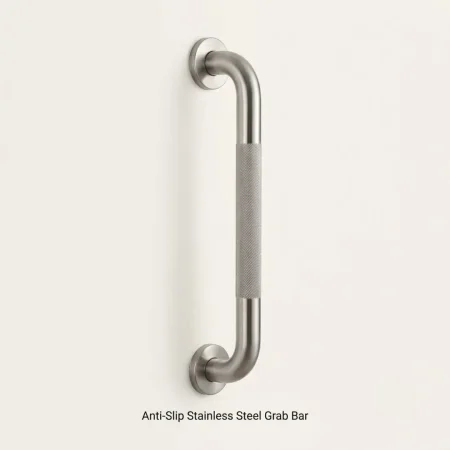
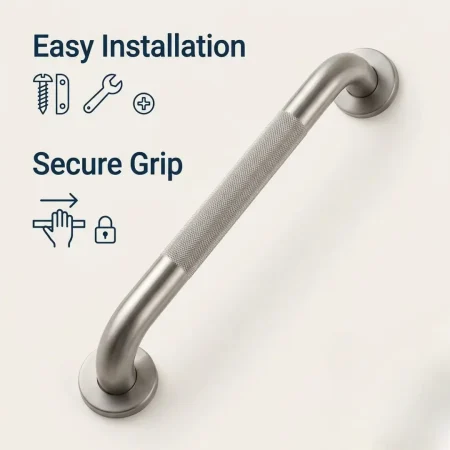
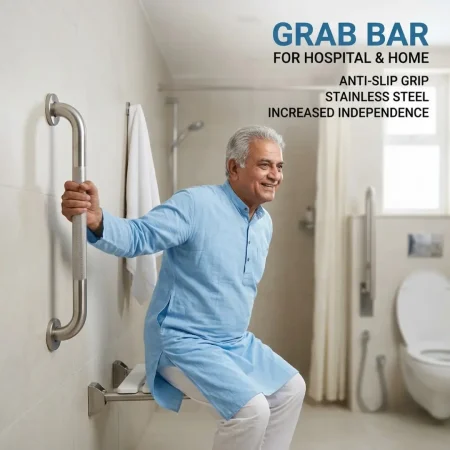
A Grab Bar is a safety support accessory designed to provide additional stability and balance while moving around bathrooms, bedrooms, and other areas. It can help individuals maintain a secure handhold when sitting, standing, walking, or transferring between surfaces. Grab bars are commonly installed near toilets, showers, bathtubs, and other locations where extra support may be needed. Made from durable materials, they are designed for regular use in homes, hospitals, clinics, rehabilitation centers, and senior-care facilities. Depending on the model, features may include a textured grip, corrosion-resistant finish, and different lengths or mounting styles. Proper installation into suitable structural support is essential for safe and reliable use.

Heavy Duty Walker

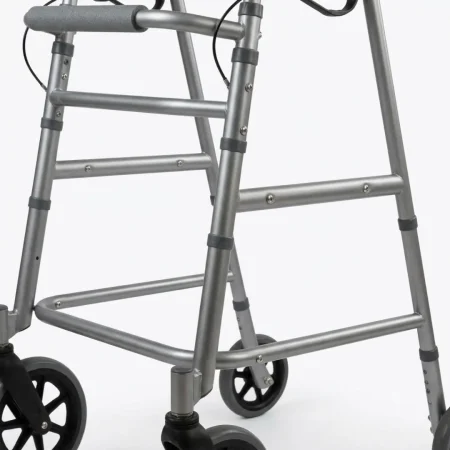
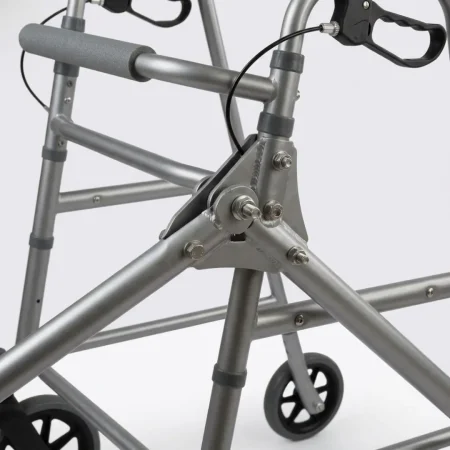
A Heavy Duty Walker is a sturdy mobility aid designed to provide enhanced stability, balance, and support for individuals who require a stronger walking aid. Its reinforced frame offers increased durability and dependable support during daily movement. The walker may feature adjustable height settings, comfortable hand grips, wide support legs, and non-slip rubber tips for improved stability on suitable surfaces. Its robust construction makes it suitable for use in homes, hospitals, clinics, rehabilitation centers, nursing facilities, and senior-care environments. Some models may include wheels or foldable features for easier movement and storage. Proper height adjustment, regular inspection, and safe handling are important for comfortable and reliable use.

Heavy Duty Wheelchair

A Heavy Duty Wheelchair is a durable mobility aid designed to provide enhanced support, stability, and comfort for individuals requiring a stronger wheelchair for daily mobility. Its reinforced frame and sturdy construction are built to handle regular use while providing reliable support. The wheelchair may feature a wider seat, padded armrests, supportive backrest, adjustable footrests, and strong wheels for improved comfort and maneuverability. Depending on the model, locking brakes and removable components may offer added convenience for caregivers and users. Heavy duty wheelchairs are suitable for hospitals, clinics, rehabilitation centers, nursing homes, and home-care environments. Always select the appropriate weight capacity and follow manufacturer instructions for safe operation and maintenance.

Hemiplegic Walker

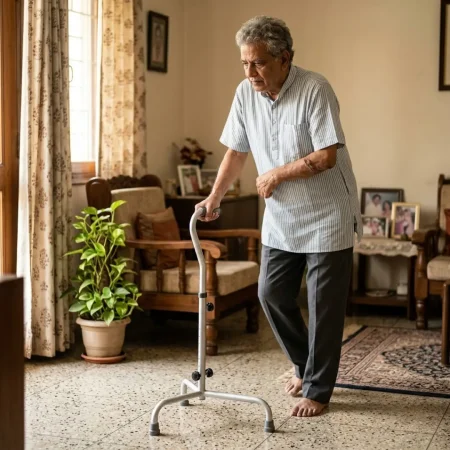
A Hemiplegic Walker is a specialized mobility aid designed to provide stability and walking support for individuals who have weakness or limited movement on one side of the body. Its sturdy frame and supportive design can help users maintain balance while moving during rehabilitation or daily activities. Depending on the model, it may include adjustable height settings, comfortable hand grips, non-slip tips, and additional support features for improved control. Hemiplegic walkers are commonly used in hospitals, rehabilitation centers, clinics, nursing facilities, and home-care environments. Proper adjustment is important for comfortable posture and safe use. The walker should be selected and used according to healthcare professional recommendations and manufacturer instructions.

Home Care Bed

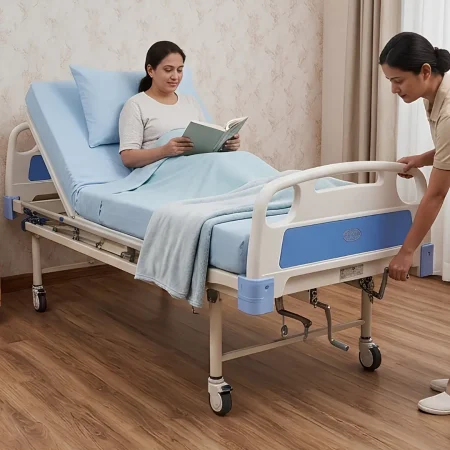
A Home Care Bed is a practical healthcare bed designed to provide comfort, support, and convenient positioning for patients receiving care at home. Its adjustable design can help patients and caregivers manage daily activities such as resting, feeding, changing positions, and transfers more comfortably. Depending on the model, features may include an adjustable backrest, leg section, side rails, locking casters, and a durable frame. The bed is suitable for home-care environments, recovery periods, elderly care, and long-term patient support. Easy-to-clean surfaces can help maintain hygiene, while sturdy construction provides dependable stability. Proper assembly, regular maintenance, and safe operation according to manufacturer instructions are important for comfortable and reliable use.

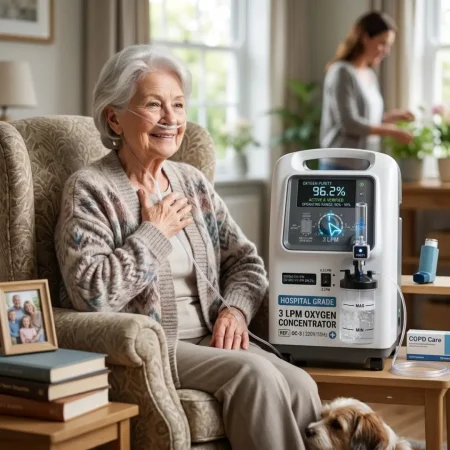
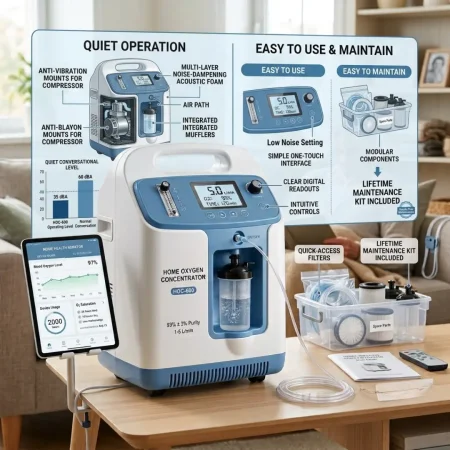
Home Oxygen Concentrator

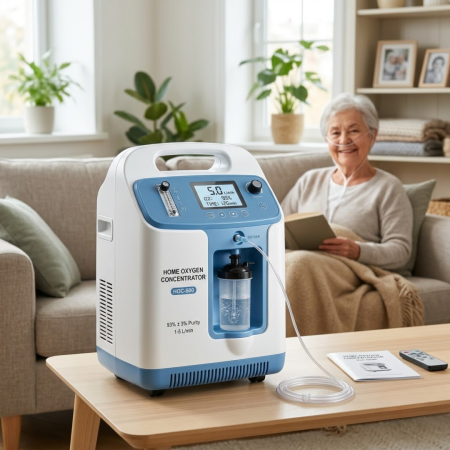
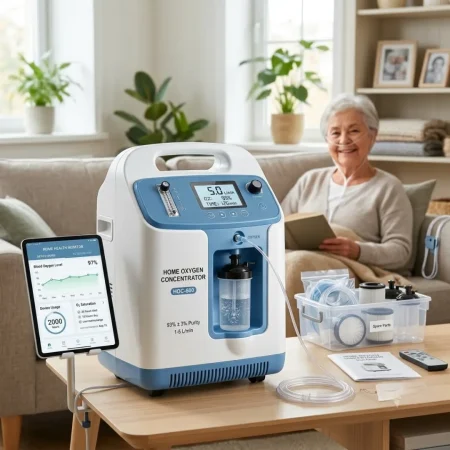
A Home Oxygen Concentrator is a medical device designed to provide a continuous supply of concentrated oxygen for patients who require prescribed oxygen therapy at home. It draws in surrounding air, removes nitrogen, and delivers concentrated oxygen through a nasal cannula or other suitable oxygen delivery equipment. Its compact design and simple controls make it convenient for everyday use in home-care environments. Depending on the model, features may include adjustable flow settings, oxygen purity indicators, alarms, and easy-to-read controls. The concentrator can provide an alternative to frequent oxygen cylinder replacement when clinically appropriate. Oxygen flow and duration should always be prescribed by a qualified healthcare professional and used according to manufacturer instructions.

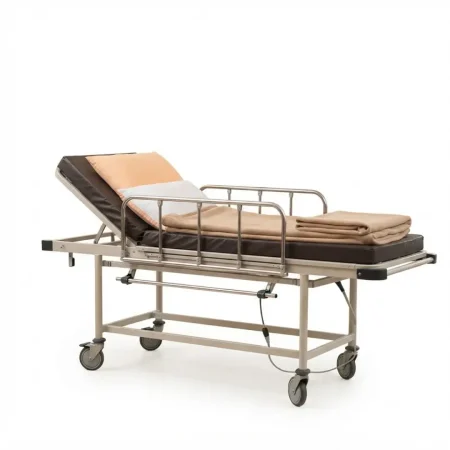
Hospital Stretcher

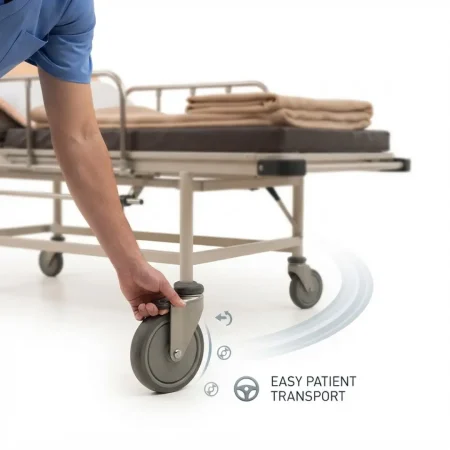
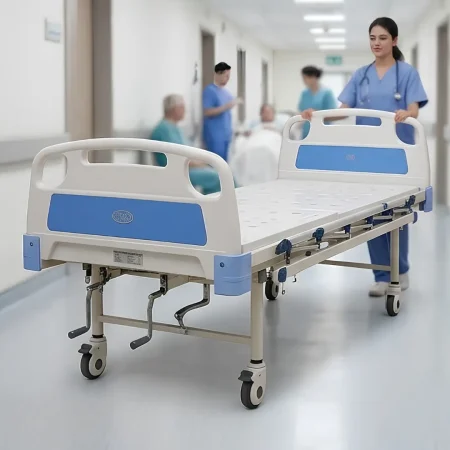
A Hospital Stretcher is a medical transport and patient-care device designed to safely move patients within hospitals, clinics, emergency departments, and healthcare facilities. Its sturdy frame and supportive mattress provide stability and comfort during transportation, examinations, and treatment. Depending on the model, it may feature adjustable backrest and height, safety side rails, locking casters, IV pole attachments, and patient safety straps. Smooth-rolling wheels allow caregivers to move the stretcher efficiently between departments and treatment areas. Its durable, easy-to-clean construction supports regular clinical use and helps maintain proper hygiene. Hospital stretchers should be operated by trained healthcare staff and routinely inspected to ensure safe, reliable, and comfortable patient transportation.

Hydraulic Bed

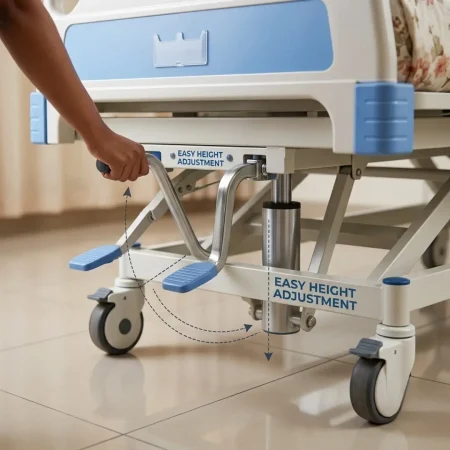
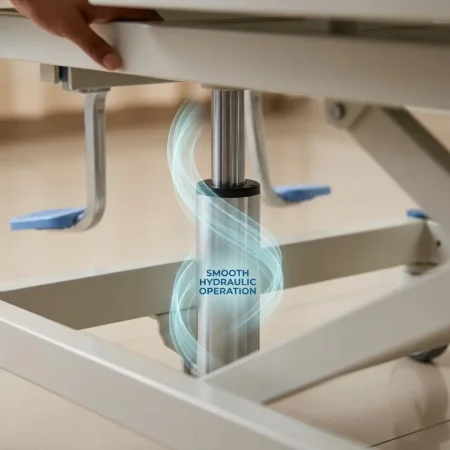
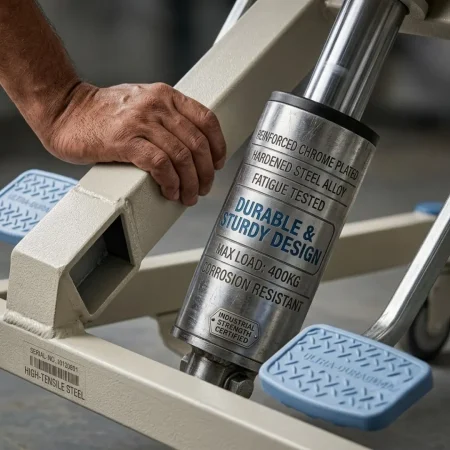
A Hydraulic Bed is a durable healthcare bed designed to provide comfortable patient positioning and convenient height adjustment using a hydraulic mechanism. It allows caregivers to raise or lower the bed smoothly, making patient care, examinations, transfers, and routine activities more convenient. Depending on the model, the bed may include adjustable backrest and leg sections, side rails, locking casters, and a sturdy frame for enhanced stability. Hydraulic beds are commonly used in hospitals, clinics, nursing homes, rehabilitation centers, and home-care environments. Their operation does not require electrical power for hydraulic height adjustment, which can be useful in different care settings. Regular cleaning, inspection, and proper operation are important for safe and reliable use.

Hydraulic Hospital Bed

A Hydraulic Hospital Bed is a durable patient-care bed designed to provide comfort, support, and convenient positioning in healthcare environments. Its hydraulic mechanism allows smooth manual height adjustment, making patient transfers, examinations, and caregiving tasks easier. Depending on the model, it may include adjustable backrest and leg sections, sturdy side rails, locking casters, and a strong frame for enhanced stability. The bed is commonly used in hospitals, clinics, nursing homes, rehabilitation centers, and home-care settings. Its hydraulic operation can function without electrical power for height adjustment. Easy-to-clean surfaces support proper hygiene and routine maintenance. Regular inspection and proper operation according to manufacturer guidelines help ensure safe and reliable performance.

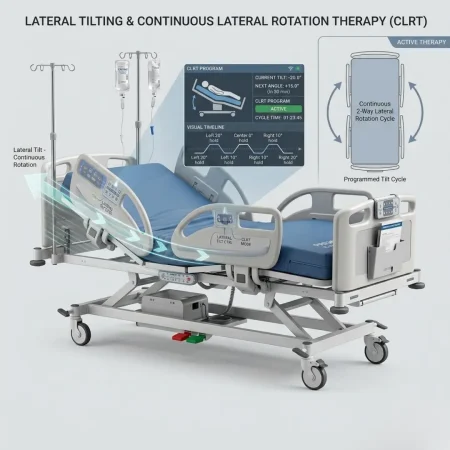
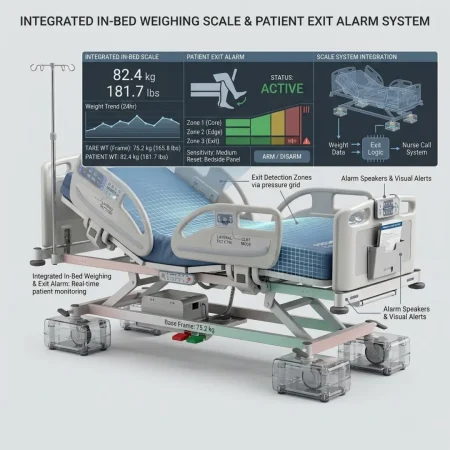
ICU Bed (Electric)

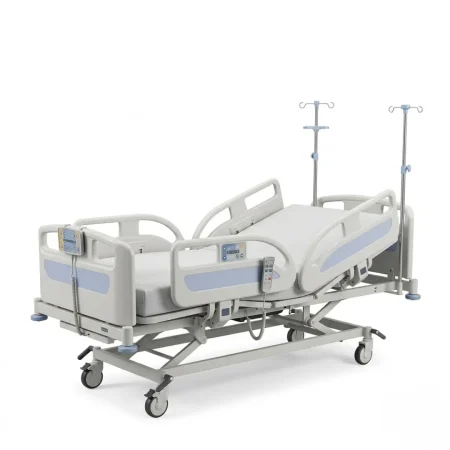
An ICU Bed (Electric) is an advanced hospital bed designed to provide comfort, safety, and flexible positioning for critically ill patients. Its electric adjustment system allows caregivers to control the bed height, backrest, leg section, and other positions using convenient controls. The bed may include protective side rails, locking casters, a sturdy frame, and attachments for medical accessories such as IV poles and monitoring equipment. Its design supports easier patient care, transfers, examinations, and positioning in intensive care environments. ICU electric beds are commonly used in hospitals, critical care units, and specialized healthcare facilities. Regular cleaning, inspection, and proper operation according to manufacturer guidelines are essential for safe and reliable performance.

ICU Bed (Manual)

An ICU Bed (Manual) is a durable hospital bed designed to provide stability, comfort, and flexible positioning for patients requiring intensive medical care. Its manual adjustment mechanisms allow caregivers to change the backrest, leg section, and other positions using hand-operated controls. The bed may include protective side rails, locking casters, a strong frame, and attachments for IV poles and other medical accessories. Its adjustable design supports patient positioning, examinations, transfers, and routine caregiving activities. Manual ICU beds are commonly used in intensive care units, hospitals, clinics, and specialized healthcare facilities. Easy-to-clean surfaces help maintain hygiene, while regular inspection and proper operation according to manufacturer guidelines ensure safe and reliable use.

ICU Patient Monitor

An ICU Patient Monitor is an advanced medical device designed to continuously monitor and display essential vital signs of critically ill patients. It helps healthcare professionals observe parameters such as ECG, SpO₂, NIBP, respiration rate, temperature, and pulse rate, depending on the model. The monitor provides a clear digital display, allowing quick review of patient readings and changes over time. Alarm functions can alert medical staff when measured values move beyond preset limits. ICU patient monitors are commonly used in intensive care units, emergency departments, operating rooms, and specialized healthcare facilities. Accurate sensor placement and proper operation are essential for reliable monitoring. The device should be used by trained healthcare professionals according to clinical requirements and manufacturer instructions.

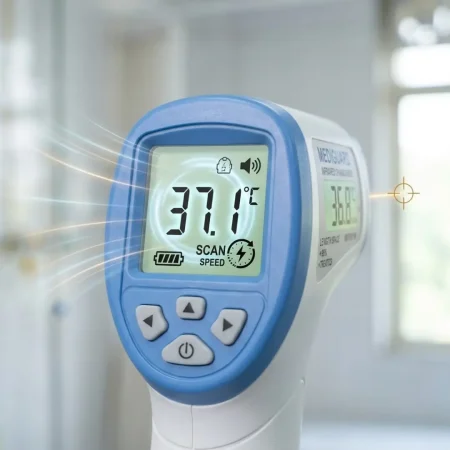
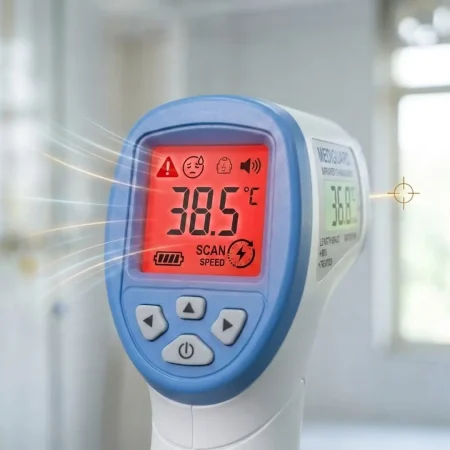
Infrared Thermometer

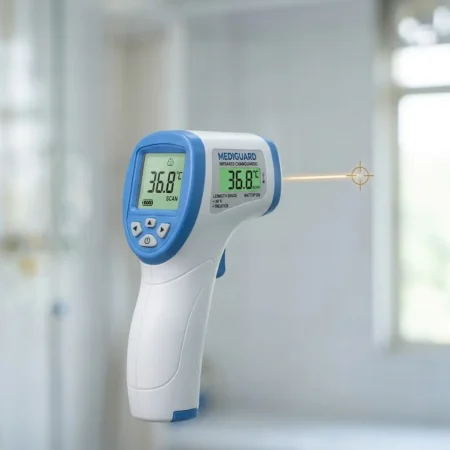
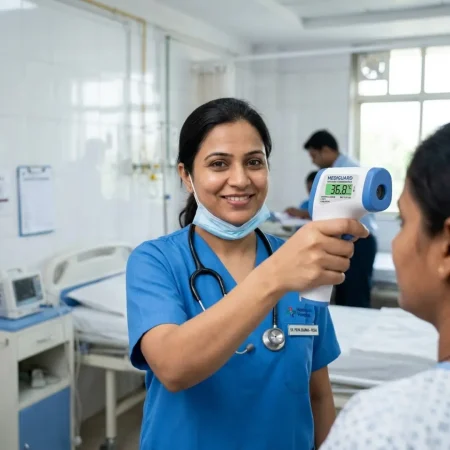
An Infrared Thermometer is a non-contact temperature measurement device designed to quickly measure body or surface temperature using infrared technology. It detects thermal energy from the target and converts it into a temperature reading displayed on a digital screen. Its contactless operation makes it convenient for hospitals, clinics, pharmacies, workplaces, schools, and home healthcare environments. The thermometer is easy to operate and can provide readings within seconds, reducing the need for direct contact with the skin. Depending on the model, features may include memory storage, fever alerts, backlit displays, and measurement modes. For accurate results, use the thermometer according to the manufacturer’s instructions and recommended measurement distance.

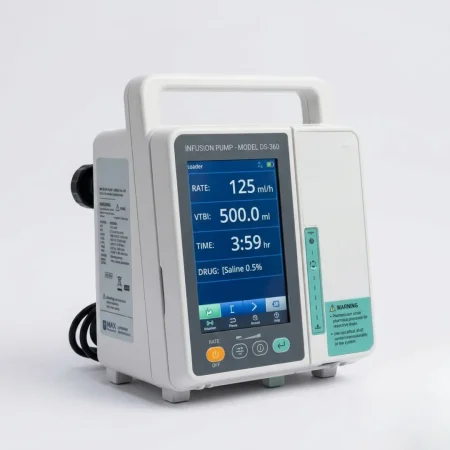
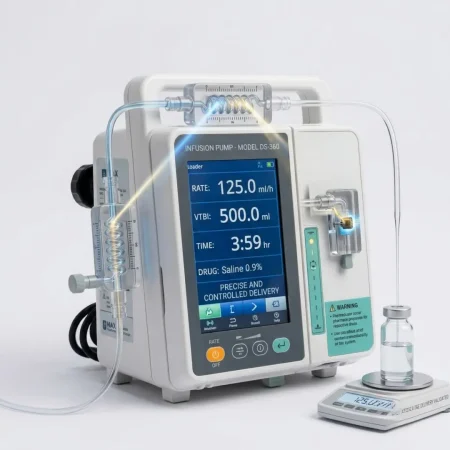
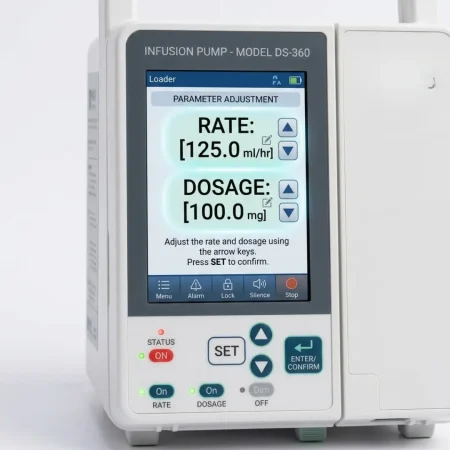
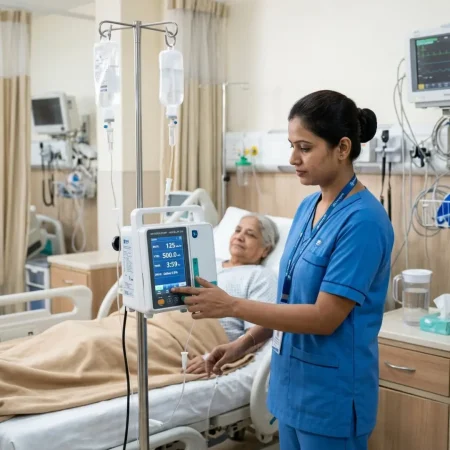
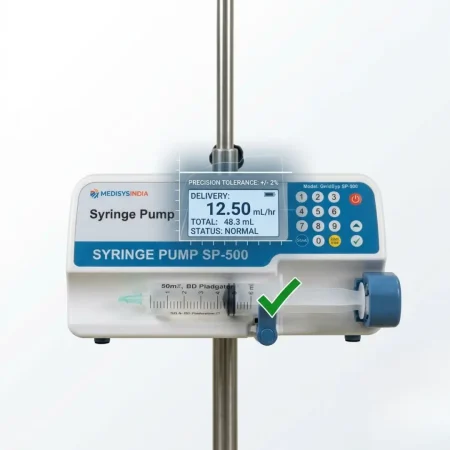
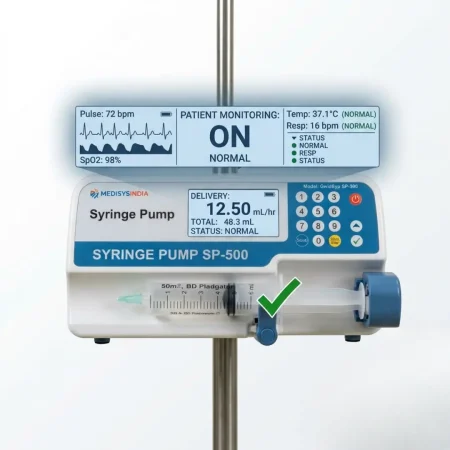
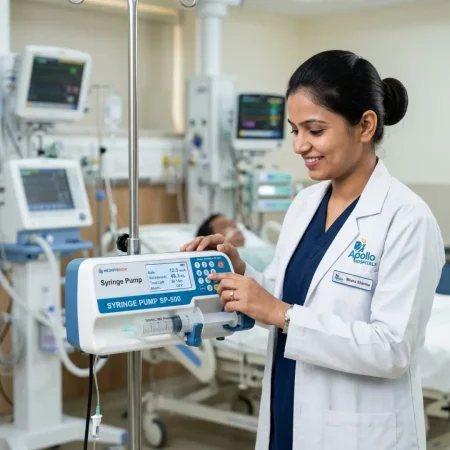
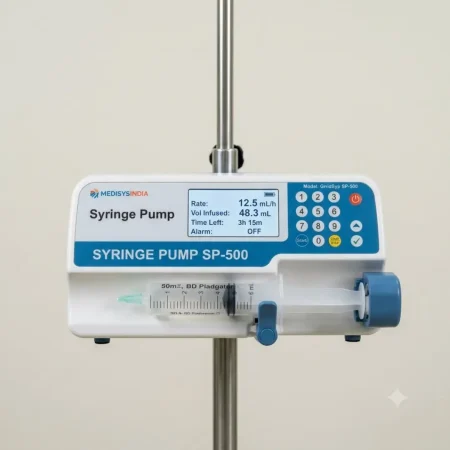
Infusion Pump

An Infusion Pump is a medical device designed to deliver controlled amounts of fluids, medications, nutrients, or other prescribed solutions into a patient’s body. It provides accurate and consistent fluid delivery at a programmed rate, helping healthcare professionals manage treatments efficiently. Infusion pumps are commonly used in hospitals, clinics, intensive care units, emergency departments, and home-care settings. Depending on the model, features may include programmable flow rates, digital displays, occlusion detection, air-in-line alarms, and battery backup. These safety features can help support reliable operation and patient monitoring. Proper setup, compatible infusion sets, regular maintenance, and trained operation are essential for safe and accurate fluid administration according to clinical requirements.

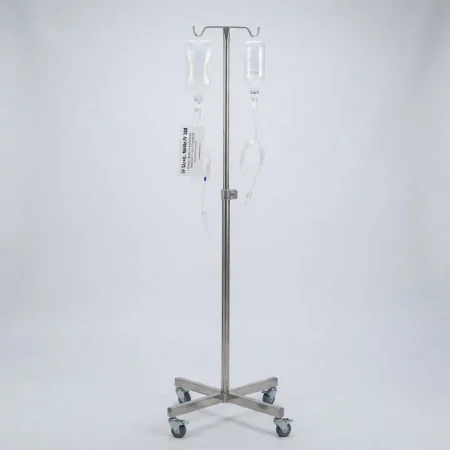
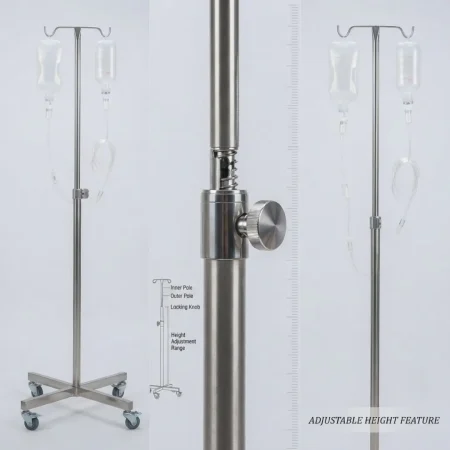
IV Stand

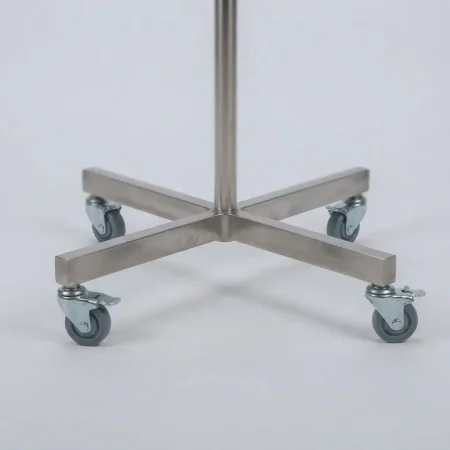
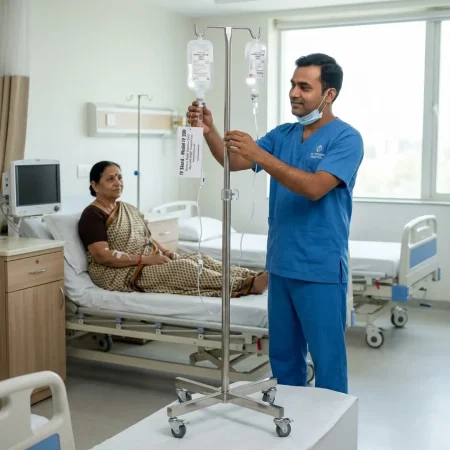
An IV Stand is a medical support equipment designed to hold intravenous fluid bags, medication containers, and infusion accessories securely during patient treatment. Its adjustable height allows healthcare professionals to position IV fluids at a suitable level for different patients and treatment requirements. The stand typically features a sturdy vertical pole, multiple hooks, a stable base, and smooth-rolling caster wheels for easy movement. IV stands are commonly used in hospitals, clinics, nursing homes, emergency departments, and home-care environments. Durable construction provides reliable support during regular use, while locking wheels can help maintain stability when required. Proper assembly, height adjustment, and routine inspection are important for safe and convenient operation.

Junior Walker

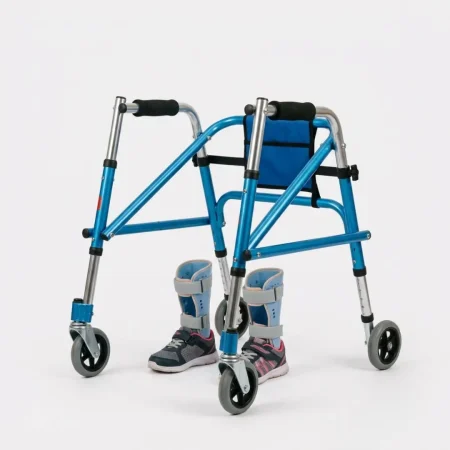
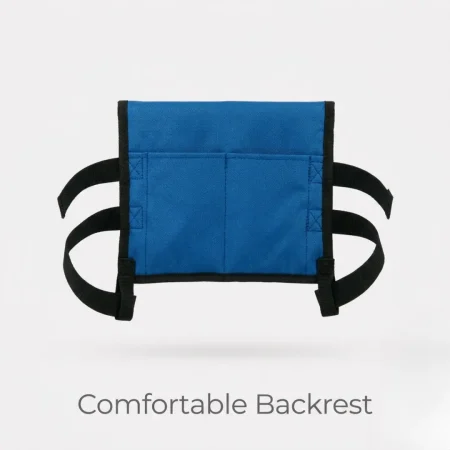
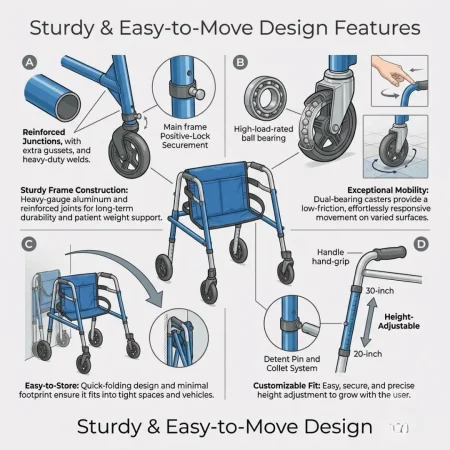
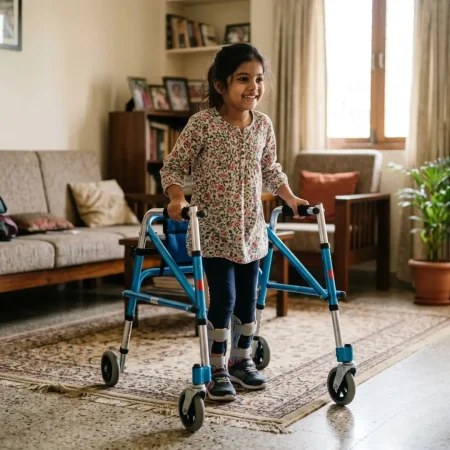
A Junior Walker is a lightweight mobility aid specially designed to provide stability, balance, and walking support for children or smaller users who need assistance with movement. Its compact frame is designed to suit a child’s size while providing a secure and comfortable hand position. Many junior walkers feature adjustable height settings, soft hand grips, and non-slip rubber tips for added stability on suitable surfaces. The lightweight construction makes the walker easier to maneuver and handle during daily activities. Junior walkers are commonly used at home, hospitals, pediatric rehabilitation centers, clinics, and therapy facilities. Proper sizing and adjustment are important for safe and comfortable use, following guidance from healthcare professionals and manufacturers.

Kidney Dialysis Bed

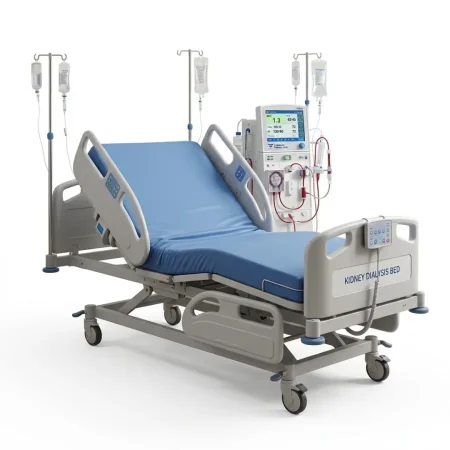
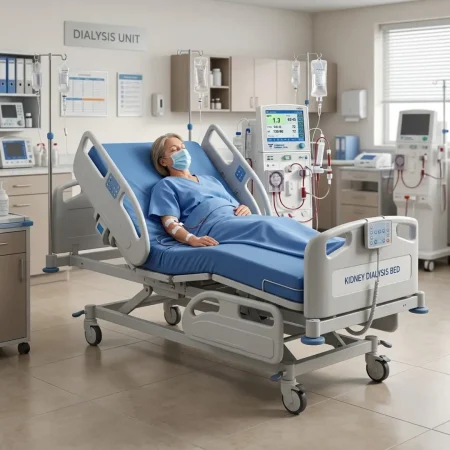
A Kidney Dialysis Bed is a specialized healthcare bed designed to provide comfort, stability, and convenient positioning for patients undergoing dialysis treatment. Its adjustable sections allow caregivers and medical staff to position the patient according to treatment requirements, improving accessibility and comfort during lengthy procedures. Depending on the model, features may include an adjustable backrest, leg section, height adjustment, sturdy side rails, locking casters, and easy-to-clean upholstery. The bed is commonly used in dialysis centers, hospitals, clinics, and specialized healthcare facilities. Its durable construction supports regular clinical use while providing a stable platform for patients and dialysis equipment. Proper cleaning, inspection, and operation according to manufacturer guidelines are essential for safe use.

Knee Brace

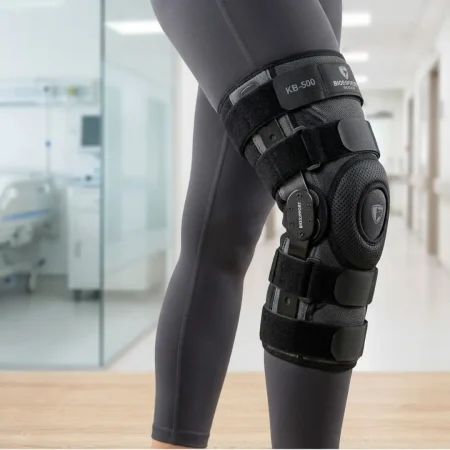
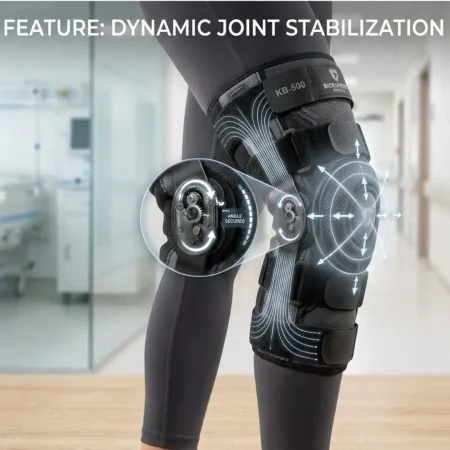
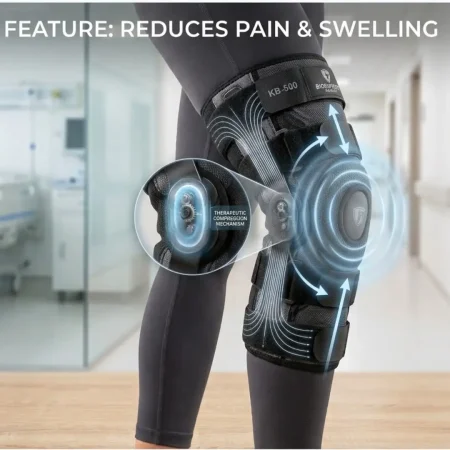
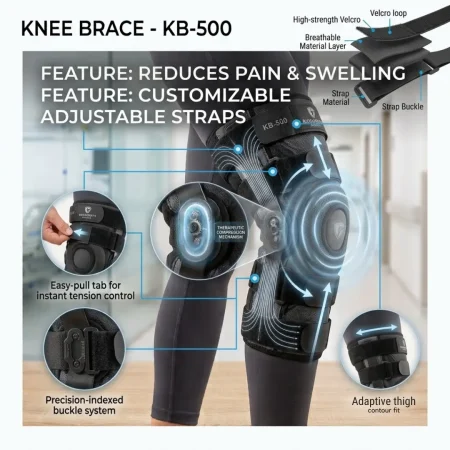
A Knee Brace is a supportive medical accessory designed to provide stability, compression, and protection to the knee joint during daily activities, exercise, or recovery. It can help restrict excessive movement and provide support to muscles and ligaments around the knee. Depending on the design, knee braces may feature adjustable straps, flexible materials, cushioning, and reinforced supports for improved comfort and fit. They are commonly used in sports, rehabilitation centers, clinics, hospitals, and home-care environments. A properly fitted knee brace can provide comfortable support while allowing appropriate movement. The correct size and type should be selected according to individual requirements. Always follow healthcare professional recommendations and manufacturer instructions during use.

Lightweight Sports Wheelchair

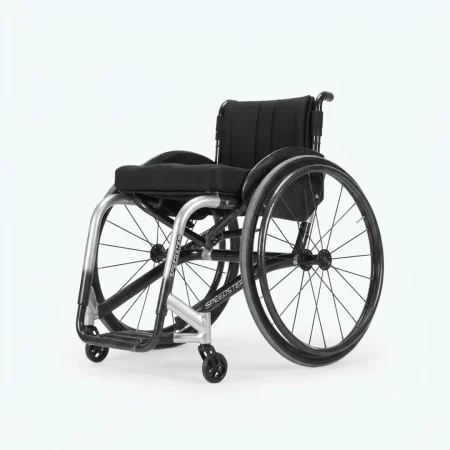
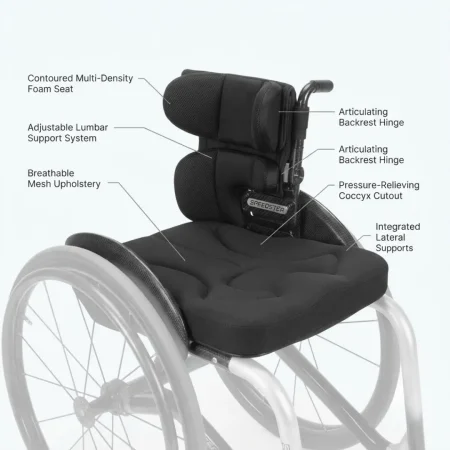
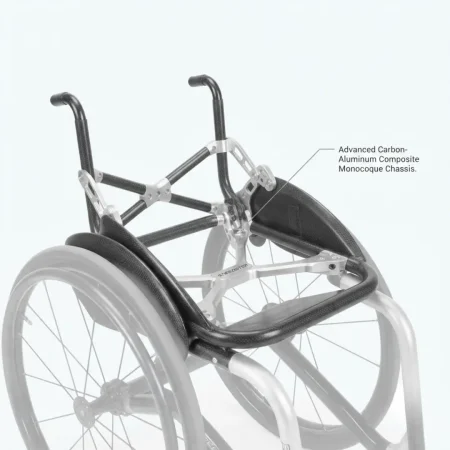
A Lightweight Sports Wheelchair is a specialized mobility aid designed for active users participating in sports, fitness, and recreational activities. Its lightweight frame helps improve maneuverability, speed, and handling during movement. The wheelchair typically features a durable construction, supportive seating, responsive wheels, and a design optimized for stability and agility. Depending on the model, it may include adjustable footrests, hand rims, safety straps, and customizable seating positions for improved comfort and control. Sports wheelchairs are commonly used for wheelchair basketball, tennis, racing, and other adaptive sports activities. Proper fitting and adjustment are important for performance, comfort, and safety. Users should follow manufacturer recommendations and appropriate sports safety guidelines during use.

Lightweight Wheelchair

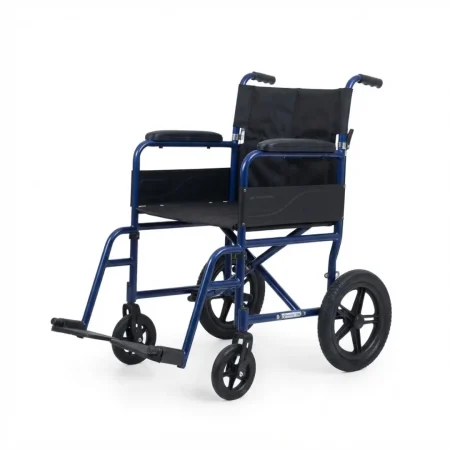
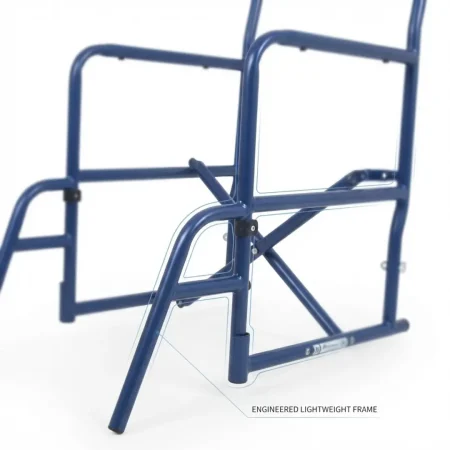
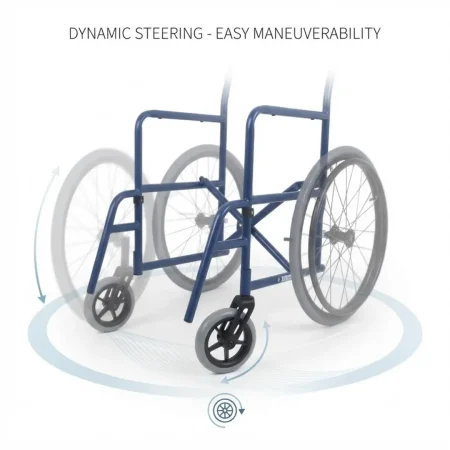
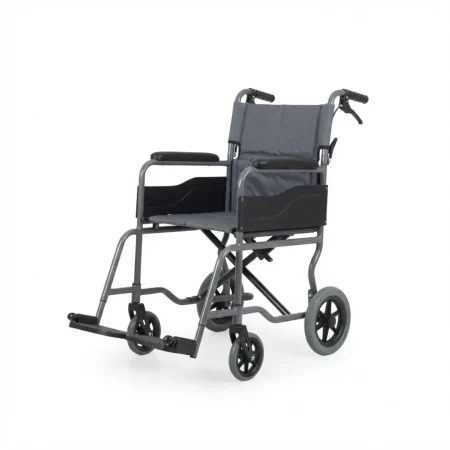
A Lightweight Wheelchair is a practical mobility aid designed to provide comfortable and convenient movement for individuals with limited mobility. Its lightweight frame makes it easier for users and caregivers to handle, transport, and store compared with heavier wheelchair designs. The wheelchair typically includes a supportive seat, backrest, armrests, footrests, and smooth-rolling wheels for comfortable mobility on suitable surfaces. Some models may feature a foldable frame, removable components, and locking brakes for added convenience and safety. Lightweight wheelchairs are commonly used in homes, hospitals, clinics, rehabilitation centers, and travel environments. Proper sizing, regular maintenance, and adherence to the recommended weight capacity are important for safe and reliable everyday use.

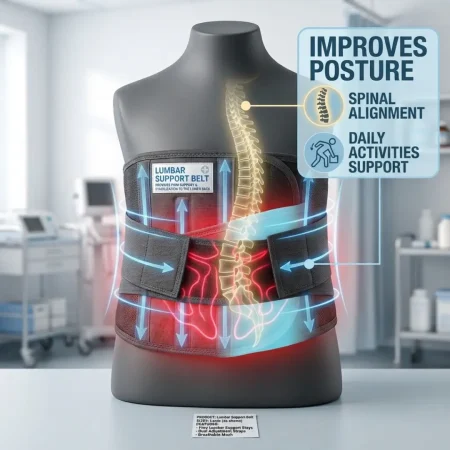
Lumbar Support Belt

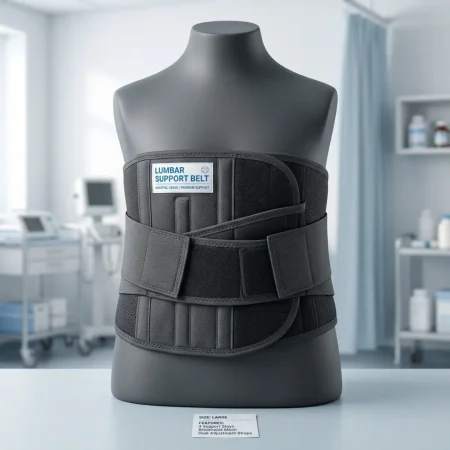
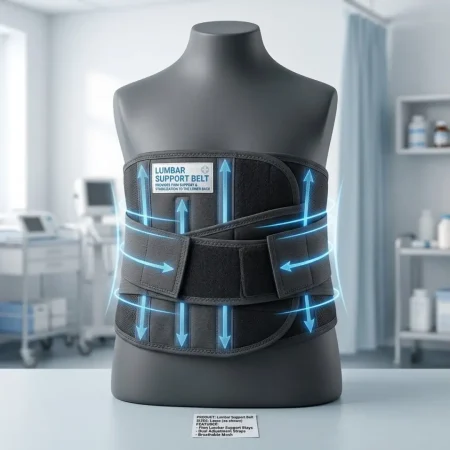
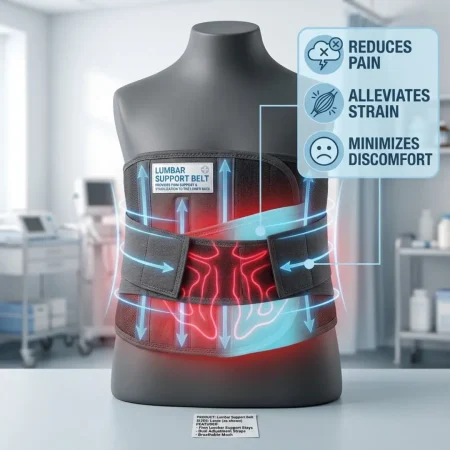
A Lumbar Support Belt is a supportive healthcare accessory designed to provide stability and compression around the lower back and lumbar region. It can help maintain proper posture and provide additional support during daily activities, work, exercise, or recovery. The belt is typically made from flexible, breathable materials and may include adjustable straps, elastic panels, or reinforced supports for a comfortable and secure fit. Lumbar support belts are commonly used in homes, workplaces, rehabilitation centers, clinics, and healthcare environments. Proper sizing and adjustment are important to ensure comfort and effective support without excessive pressure. The belt should be used according to individual requirements and healthcare professional recommendations for appropriate and safe use.

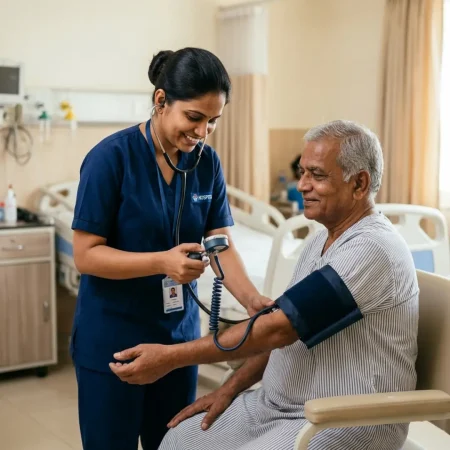
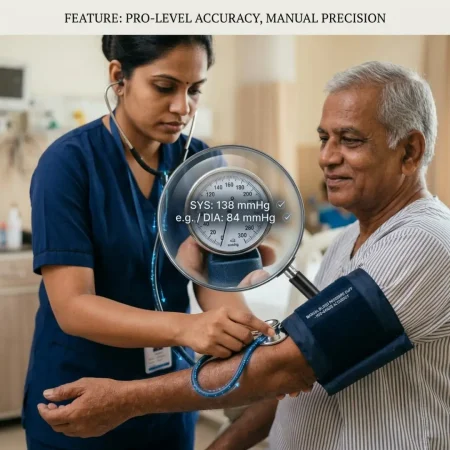
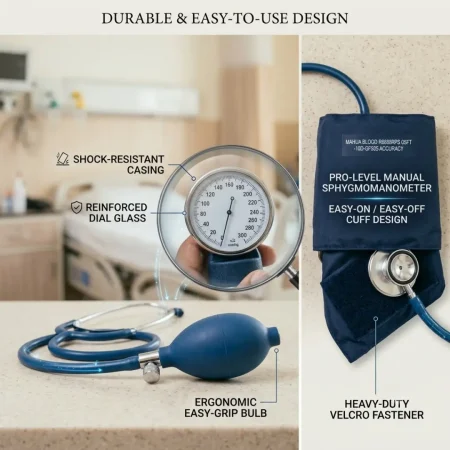
Manual BP Monitor

A Manual BP Monitor is a traditional medical device used to measure systolic and diastolic blood pressure accurately. It generally consists of an inflatable cuff, pressure gauge, rubber tubing, and hand-operated inflation bulb. The device is commonly used in hospitals, clinics, diagnostic centers, medical camps, and home healthcare settings. Unlike digital monitors, a manual BP monitor does not require batteries, making it convenient for regular use. Proper cuff placement and correct measurement technique are essential for obtaining reliable readings. It is typically used with a stethoscope to identify blood pressure sounds. Regular calibration, careful handling, and proper maintenance help ensure accurate performance and long-term reliability during routine blood pressure monitoring.

Manual Hospital Bed

A Manual Hospital Bed is a durable patient-care bed designed to provide comfort, support, and convenient positioning in healthcare environments. Its adjustable sections can be operated manually using hand cranks, allowing caregivers to raise or lower the backrest, leg section, or overall bed height according to patient-care requirements. The bed typically features a sturdy frame, protective side rails, locking casters, and an easy-to-clean mattress platform for improved safety and hygiene. Manual hospital beds are suitable for hospitals, clinics, nursing homes, rehabilitation centers, and home-care settings. Their operation does not depend on electricity, making them practical for various healthcare environments. Proper assembly, maintenance, and safe operation according to manufacturer guidelines are essential.

Motorised Wheelchair

A Motorised Wheelchair is a powered mobility device designed to provide independent movement for individuals with limited mobility. It uses rechargeable batteries and electric motors to move the wheelchair without requiring manual pushing. A simple joystick or control system allows users to manage direction, speed, and movement according to their needs. The wheelchair typically features a supportive seat, backrest, armrests, footrests, and safety brakes for added comfort and stability. Some models may include adjustable seating, removable batteries, and folding components for convenient transportation. Motorised wheelchairs are suitable for homes, hospitals, rehabilitation centers, care facilities, and accessible outdoor areas. Proper charging, maintenance, and safe operation are important for reliable performance.

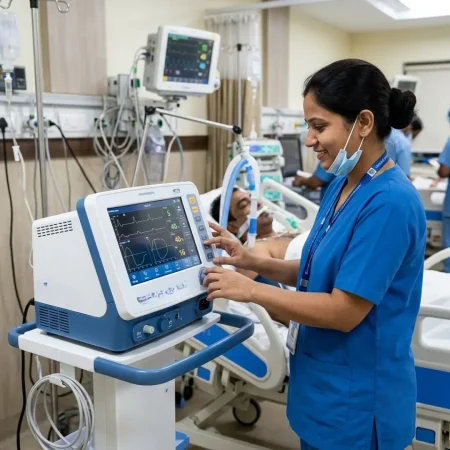
Multi Para Monitor

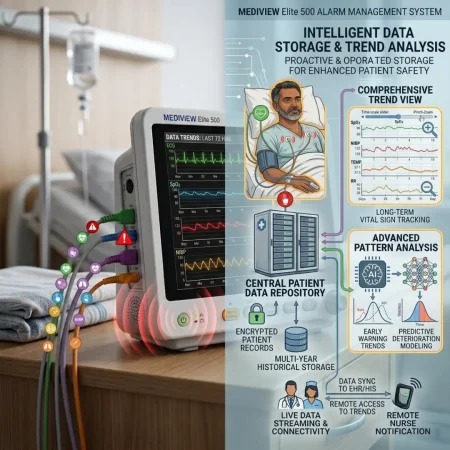
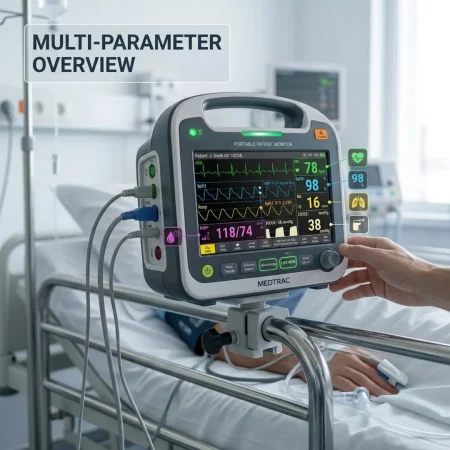
A Multi Para Monitor is an advanced medical monitoring device designed to continuously measure and display multiple vital signs and physiological parameters. Depending on the model, it may monitor ECG, SpO₂, NIBP, respiration rate, temperature, pulse rate, and other essential parameters. Its clear digital display allows healthcare professionals to observe patient conditions efficiently during examinations, treatment, surgery, and critical care. The monitor may include programmable alarms, trend displays, data storage, and easy-to-use controls for convenient operation. Multi Para Monitors are commonly used in hospitals, ICUs, emergency departments, clinics, and nursing facilities. Proper sensor placement, regular maintenance, and trained operation are essential for accurate readings and reliable patient monitoring.

Multipara Patient Monitor

A Multipara Patient Monitor is an advanced medical device designed to continuously monitor and display multiple vital signs of a patient. Depending on the model, it can measure parameters such as ECG, SpO₂, NIBP, respiration rate, temperature, and pulse rate. Its clear digital display helps healthcare professionals observe patient conditions efficiently during examinations, treatment, surgery, and critical care. The monitor may include features such as adjustable alarm limits, trend monitoring, data storage, and user-friendly controls. Multipara Patient Monitors are commonly used in hospitals, ICUs, emergency departments, clinics, operating rooms, and nursing facilities. Proper sensor placement, regular maintenance, and trained operation are important for accurate and reliable patient monitoring.

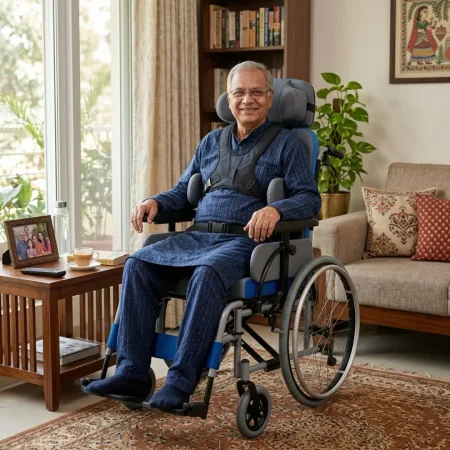
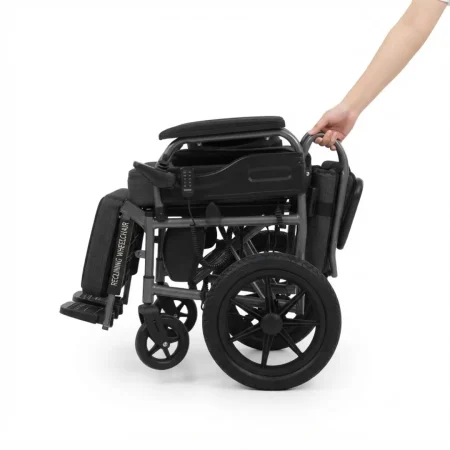
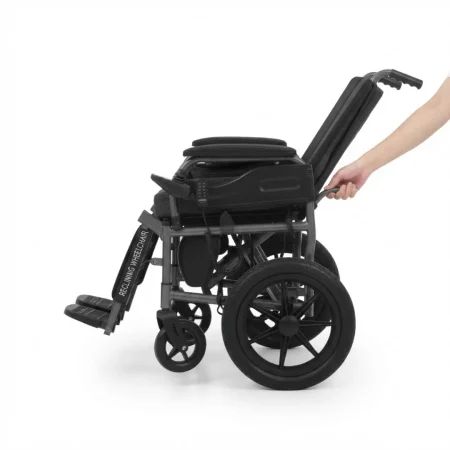
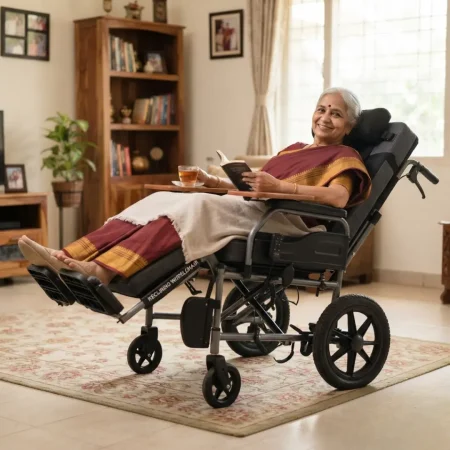
Neuro Wheelchair

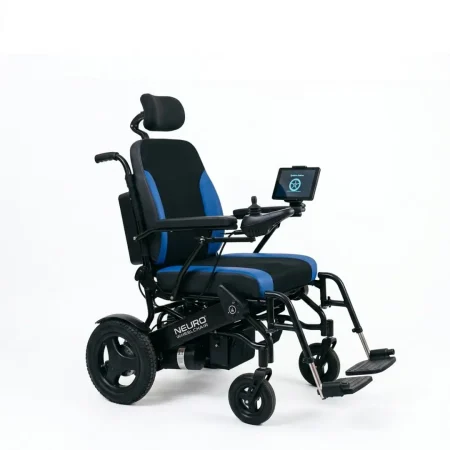
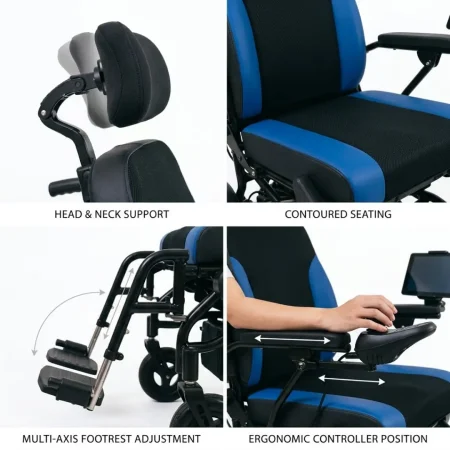
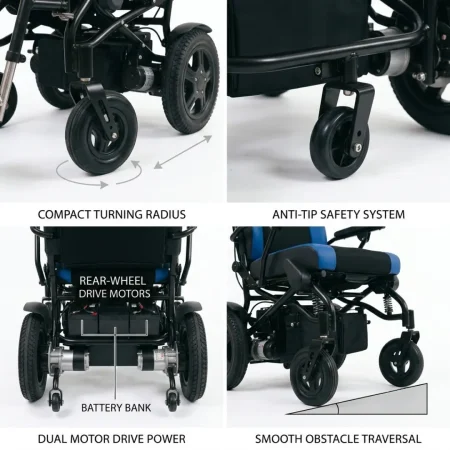
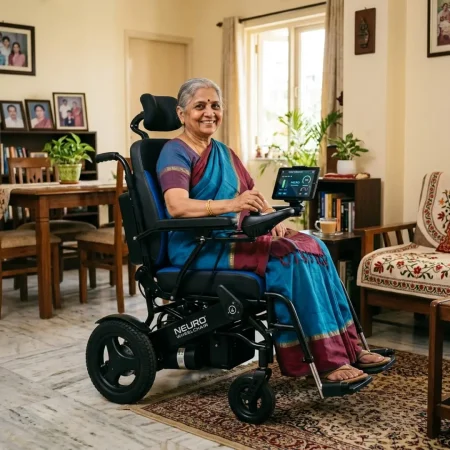
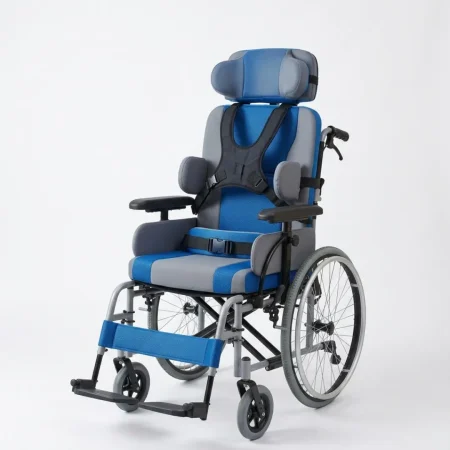
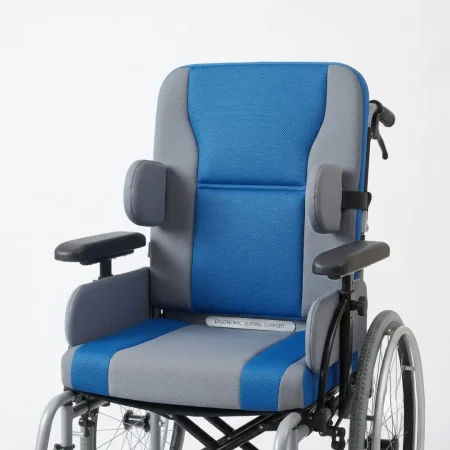
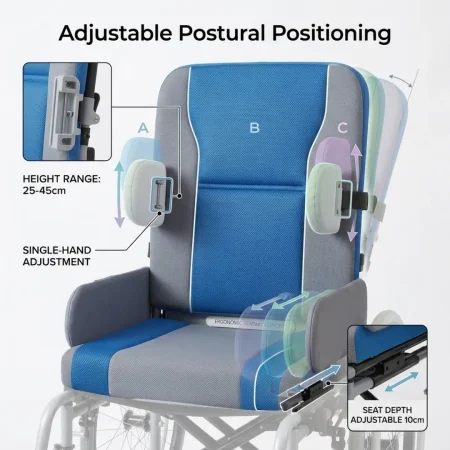
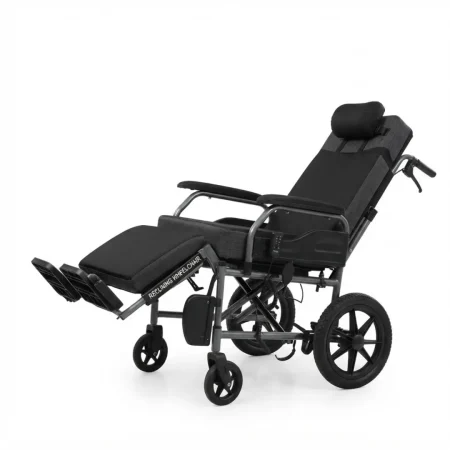
A Neuro Wheelchair is a specialized mobility aid designed to provide enhanced positioning, support, and comfort for individuals with neurological or mobility-related challenges. Its supportive design can help accommodate users who require additional stability while sitting and moving. Depending on the model, features may include adjustable backrest, headrest, armrests, footrests, reclining functions, and supportive seating components. The wheelchair is designed to improve comfort and make daily mobility more convenient for users and caregivers. Neuro wheelchairs are commonly used in hospitals, rehabilitation centers, clinics, nursing facilities, and home-care environments. Proper fitting and adjustment are important for safe and comfortable use. Selection should be based on individual needs and professional recommendations.

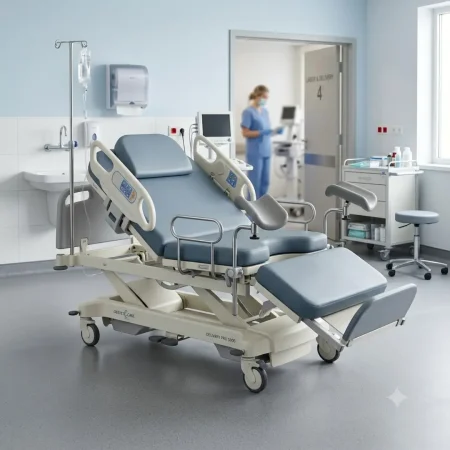
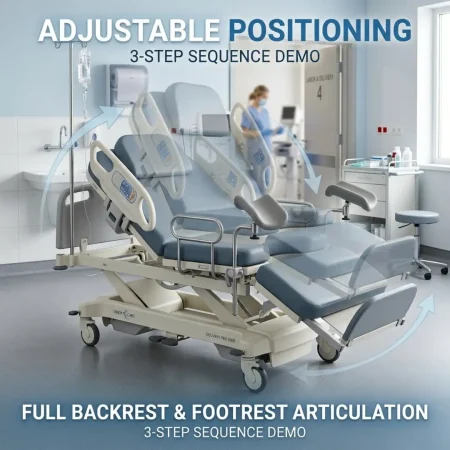
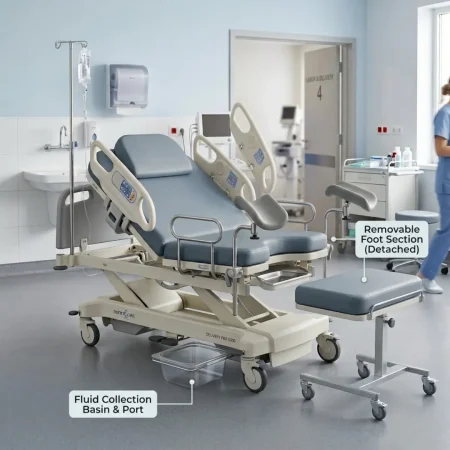
Obstetric Delivery Bed

An Obstetric Delivery Bed is a specialized medical bed designed to support women during labor, delivery, and post-delivery care. Its adjustable design allows healthcare professionals to position the patient comfortably and access the required areas during childbirth procedures. Depending on the model, it may feature an adjustable backrest, leg supports, stirrups, height adjustment, side rails, drainage system, and removable sections. The strong frame provides stability, while smooth adjustments help caregivers manage different stages of labor and delivery. Obstetric delivery beds are commonly used in maternity wards, labor rooms, hospitals, and clinics. Easy-to-clean surfaces support proper hygiene, while regular maintenance and correct operation help ensure safe and efficient use.

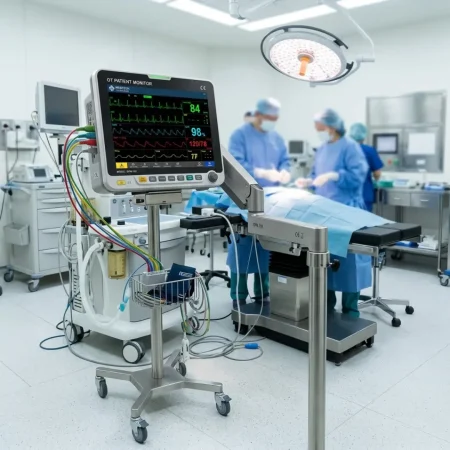
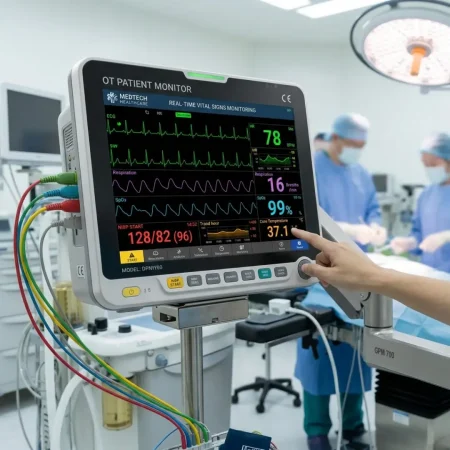
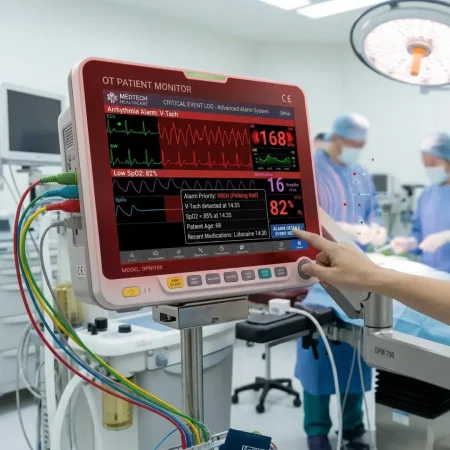
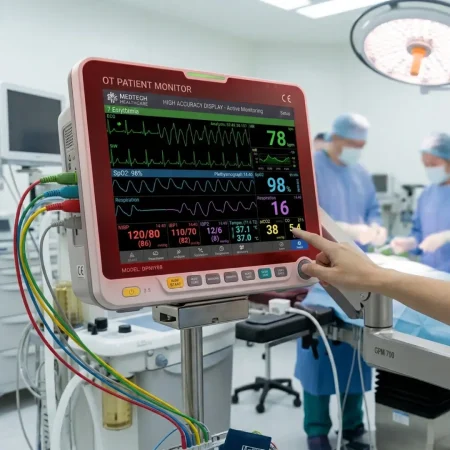
OT Patient Monitor

An OT Patient Monitor is a medical monitoring device designed to continuously track essential vital signs during surgical and operative procedures. It helps healthcare professionals monitor the patient’s condition throughout surgery and recovery. Depending on the model, the monitor may display parameters such as ECG, SpO₂, NIBP, respiration rate, temperature, and pulse rate. A clear digital screen provides real-time readings for convenient observation, while configurable alarms can alert medical staff to changes in monitored values. OT Patient Monitors are commonly used in operating theatres, hospitals, surgical centers, and recovery areas. Proper sensor placement, calibration, and trained operation are important for reliable measurements. Always use the monitor according to clinical requirements and manufacturer instructions.

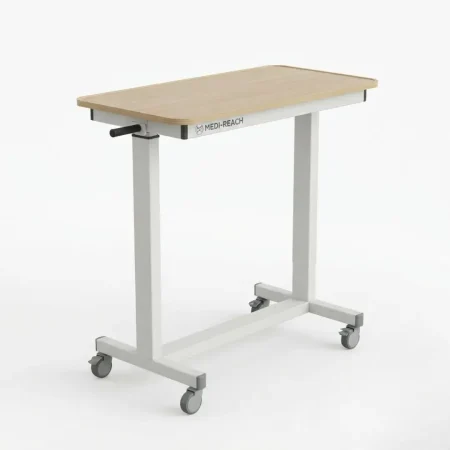
Overbed Table

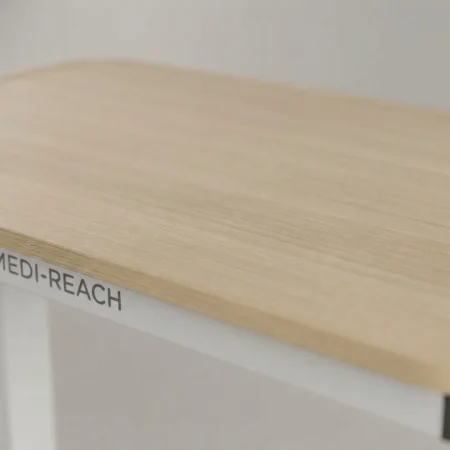
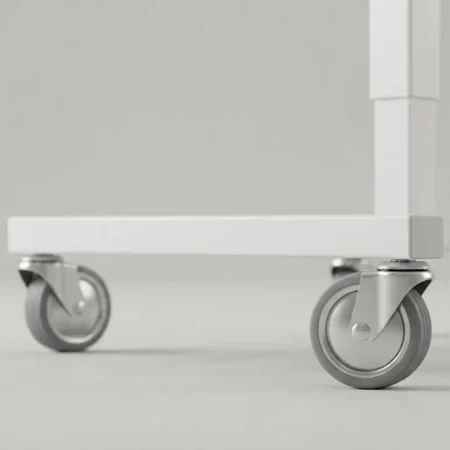
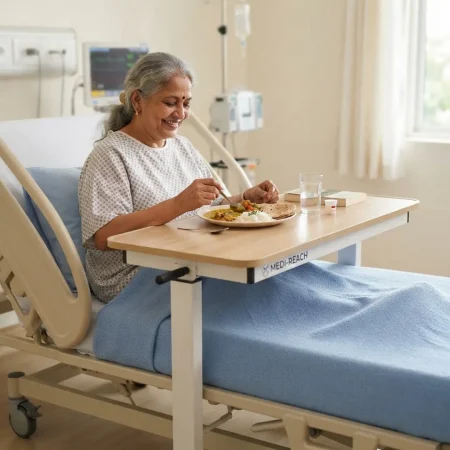
An Overbed Table is a practical hospital furniture solution designed to provide patients with a convenient surface for eating, reading, writing, using electronic devices, and keeping essential items within easy reach. Its height-adjustable design allows the table to be positioned comfortably over a hospital or home-care bed. Many models feature smooth-rolling casters, a sturdy frame, and a spacious tabletop for improved convenience. Some tables may also include tilt-adjustable surfaces or raised edges to help keep items secure. Overbed tables are commonly used in hospitals, clinics, nursing homes, rehabilitation centers, and home-care environments. Durable construction and easy-to-clean surfaces support regular use, hygiene, and long-term reliability.

Para Monitor

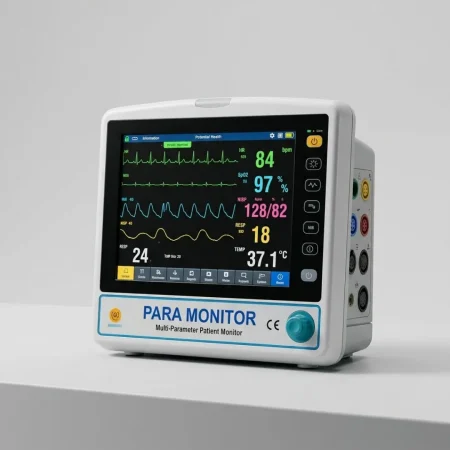
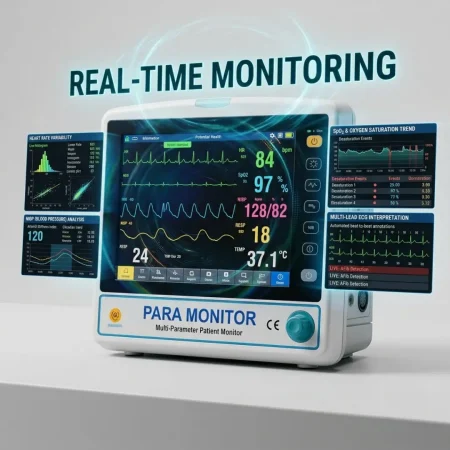
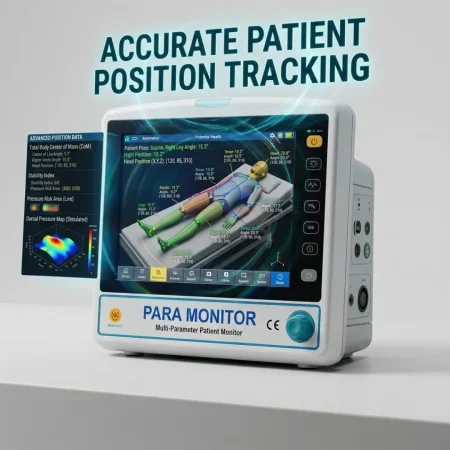
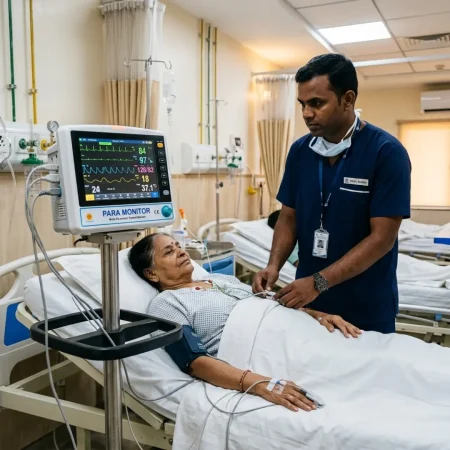
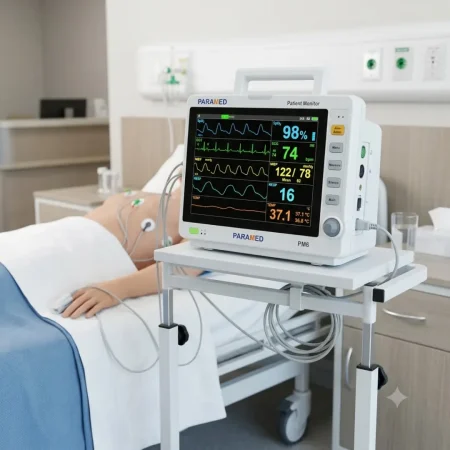
A Para Monitor is a medical patient monitoring device designed to measure and display essential vital signs for effective patient observation. Depending on the model, it may monitor parameters such as ECG, SpO₂, NIBP, respiration rate, temperature, and pulse rate. Its clear digital display allows healthcare professionals to view patient readings quickly and efficiently during examinations, treatment, surgery, and routine care. The monitor may include adjustable alarm limits, trend monitoring, data storage, and user-friendly controls for convenient operation. Para Monitors are commonly used in hospitals, ICUs, emergency departments, clinics, operating rooms, and nursing facilities. Proper sensor placement, regular maintenance, and trained operation are important for accurate and reliable monitoring.

Parameter Patient Monitor

A Parameter Patient Monitor is a medical monitoring device designed to measure and display essential vital signs for effective patient observation. Depending on the model, it may monitor parameters such as ECG, SpO₂, NIBP, respiration rate, temperature, and pulse rate. Its clear digital display provides healthcare professionals with real-time information during examinations, treatment, surgery, and routine patient care. The monitor may include adjustable alarm settings, trend monitoring, data storage, and easy-to-use controls for convenient operation. Parameter Patient Monitors are commonly used in hospitals, ICUs, emergency departments, clinics, operating rooms, and nursing facilities. Proper sensor placement, regular maintenance, and trained operation are important for accurate and reliable monitoring.

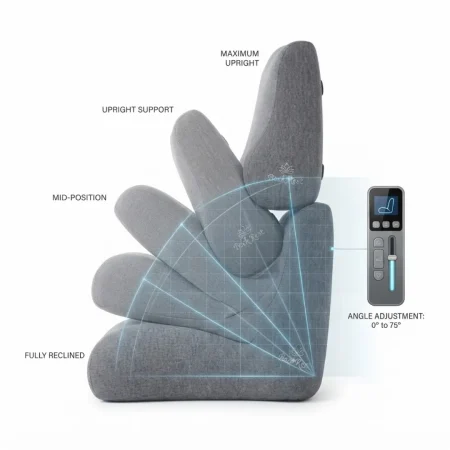
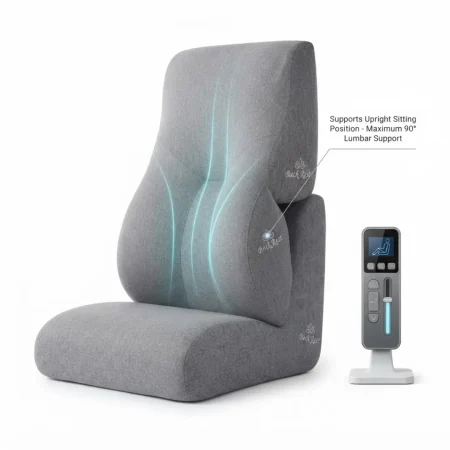
Patient Back Rest

A Patient Back Rest is a practical healthcare support accessory designed to provide comfortable back support and help patients maintain a suitable sitting or reclining position. It can be used on beds or other appropriate surfaces to support activities such as eating, reading, resting, and interacting with caregivers. Depending on the model, it may feature an adjustable angle, sturdy metal frame, cushioned support, and durable, easy-to-clean material. Patient back rests are commonly used in hospitals, clinics, nursing homes, rehabilitation centers, and home-care environments. Their adjustable design can make positioning more convenient for both patients and caregivers. Proper placement, regular cleaning, and safe adjustment are important for comfortable and reliable use.

Patient Lifter

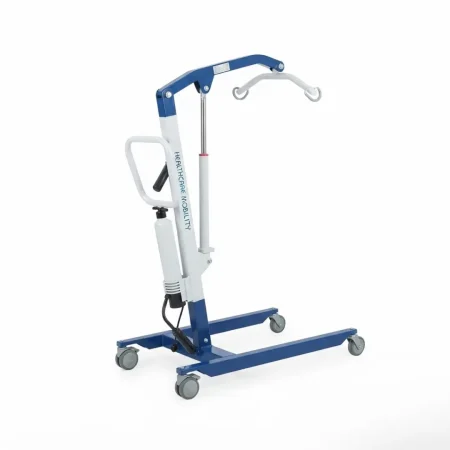
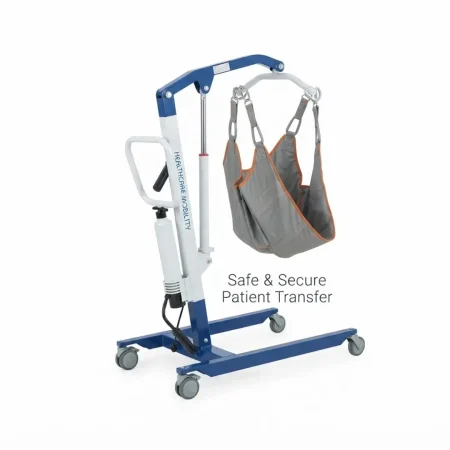
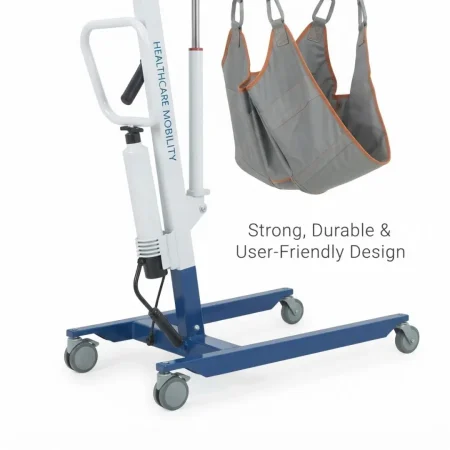
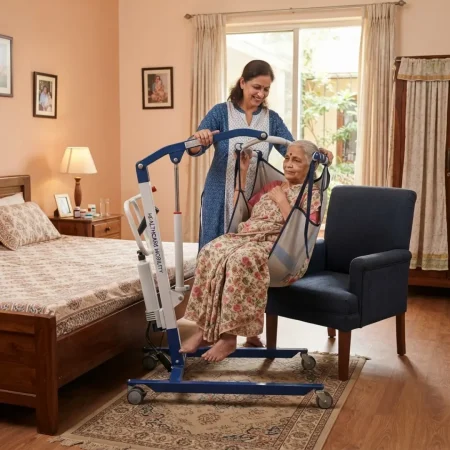
A Patient Lifter is a specialized patient-handling device designed to safely assist caregivers in transferring individuals with limited mobility between beds, wheelchairs, chairs, and other suitable surfaces. It uses a sturdy lifting frame and supportive sling to provide controlled movement while reducing the physical effort required from caregivers. Depending on the model, features may include powered or hydraulic lifting, adjustable legs, locking casters, emergency lowering, and comfortable sling options. Patient lifters are commonly used in hospitals, nursing homes, rehabilitation centers, clinics, and home-care environments. Proper sling selection, secure attachment, and careful operation are essential for safe transfers. The equipment should always be used according to manufacturer instructions and trained caregiver guidance.

Patient Monitor (Multipara Monitor)

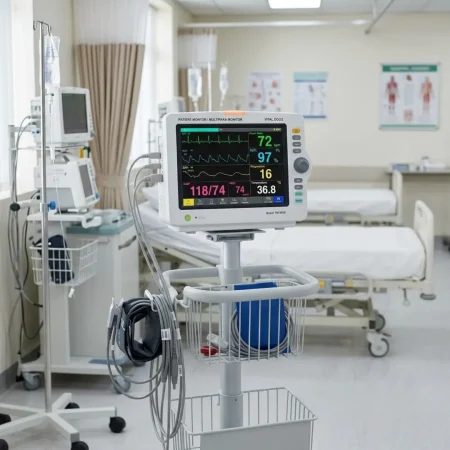
A Patient Monitor (Multipara Monitor) is an advanced medical device designed to continuously monitor and display multiple vital signs for effective patient observation. Depending on the model, it may measure parameters such as ECG, SpO₂, NIBP, respiration rate, temperature, pulse rate, and other physiological readings. Its clear digital display provides real-time information, helping healthcare professionals monitor patients during examinations, treatment, surgery, and critical care. The monitor may include adjustable alarm limits, trend analysis, data storage, and user-friendly controls for convenient operation. Multipara monitors are commonly used in hospitals, ICUs, emergency departments, operating rooms, clinics, and nursing facilities. Proper sensor placement, maintenance, and trained operation are essential for accurate and reliable monitoring.

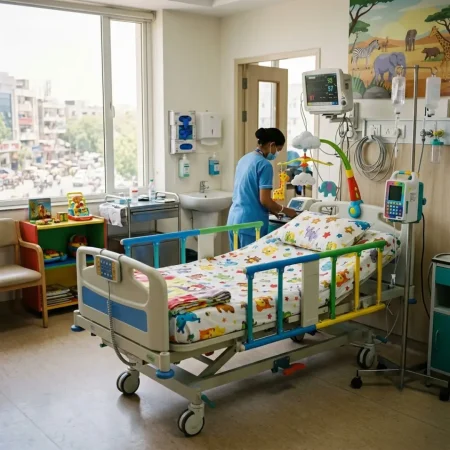
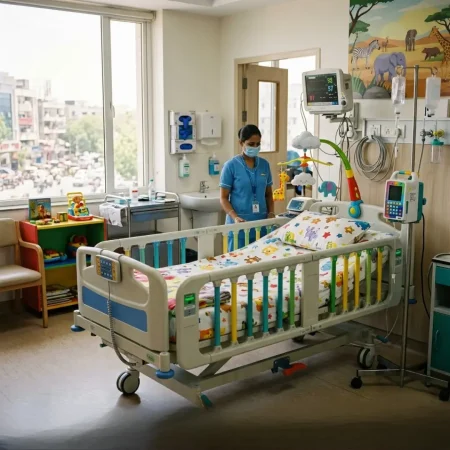
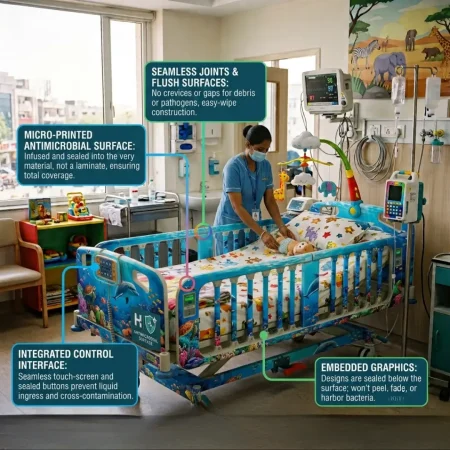
Pediatric Hospital Bed

A Pediatric Hospital Bed is a specially designed healthcare bed that provides comfort, safety, and appropriate support for children receiving medical care. Its child-friendly size and sturdy construction are designed to accommodate pediatric patients while helping caregivers manage routine care more conveniently. Depending on the model, it may feature adjustable backrest and leg sections, protective side rails, locking casters, and a durable, easy-to-clean surface. Pediatric hospital beds are commonly used in children’s hospitals, pediatric wards, clinics, rehabilitation centers, and specialized healthcare facilities. Safety features can help reduce the risk of accidental falls and provide greater stability. Proper supervision, regular cleaning, maintenance, and operation according to manufacturer guidelines are essential for safe use.

Pediatric Wheelchair

A Pediatric Wheelchair is a specialized mobility aid designed to provide comfortable, secure, and convenient mobility support for children with limited mobility. Its compact design and adjustable features are intended to accommodate the specific needs and size of pediatric users. Depending on the model, it may include supportive seating, adjustable footrests, armrests, safety belts, and positioning components for enhanced comfort and stability. Lightweight construction can make the wheelchair easier for caregivers to handle and transport. Pediatric wheelchairs are commonly used in children’s hospitals, clinics, rehabilitation centers, schools, and home-care environments. Proper sizing, positioning, regular maintenance, and professional guidance are important for safe and comfortable everyday use.

PLATFORM WALKER

A Platform Walker is a specialized mobility aid designed to provide stability, balance, and walking support for individuals who have difficulty using traditional hand-grip walkers. It features padded platforms that allow users to rest and support their forearms while maintaining a comfortable upright position during movement. Depending on the model, it may include adjustable platform height, comfortable supports, sturdy construction, and non-slip tips or wheels for controlled mobility. Platform walkers are commonly used in hospitals, rehabilitation centers, clinics, nursing homes, and home-care environments. Proper adjustment and professional guidance are important to ensure comfortable positioning, improved stability, and safe operation during walking, therapy, and rehabilitation activities.

Portable Oxygen Concentrator (POC)

A Portable Oxygen Concentrator (POC) is a compact medical device designed to provide supplemental oxygen for patients who require prescribed oxygen therapy while traveling or moving between locations. It draws in surrounding air, removes nitrogen, and delivers concentrated oxygen through a nasal cannula or suitable oxygen delivery system. Its lightweight and portable design makes it convenient for use at home, during travel, and in other appropriate settings. Depending on the model, features may include rechargeable batteries, adjustable oxygen settings, lightweight construction, digital displays, and alarms. Portable oxygen concentrators can support greater mobility compared with stationary systems. Oxygen settings should always be prescribed by a qualified healthcare professional and used according to manufacturer instructions.

Portable Patient Monitor

A Portable Patient Monitor is a compact medical device designed to monitor and display essential vital signs while allowing convenient movement between different healthcare areas. Depending on the model, it may monitor parameters such as ECG, SpO₂, NIBP, respiration rate, temperature, and pulse rate. Its lightweight design and rechargeable battery can support use during patient transfers, examinations, emergency care, and bedside monitoring. A clear digital display allows healthcare professionals to review readings quickly and efficiently. Portable patient monitors are commonly used in hospitals, clinics, ambulances, emergency departments, and home-care settings. Proper sensor placement, battery maintenance, regular inspection, and trained operation are important for accurate readings and reliable performance.

Postural Support Wheelchair

A Postural Support Wheelchair is a specialized mobility aid designed to provide enhanced seating, positioning, stability, and comfort for individuals who require additional postural support. Its supportive design helps maintain a suitable sitting position during daily activities and mobility. Depending on the model, features may include an adjustable backrest, headrest, lateral supports, pelvic belt, adjustable footrests, and reclining or tilt functions. These features can help caregivers achieve appropriate positioning and improve overall comfort. Postural support wheelchairs are commonly used in hospitals, rehabilitation centers, clinics, nursing facilities, schools, and home-care environments. Proper fitting and adjustment are important for safe and effective use. Selection should be based on individual requirements and professional guidance.

Premium ICU Bed (Electric)

A Premium ICU Bed (Electric) is an advanced hospital bed designed to provide enhanced comfort, safety, and flexible positioning for critically ill patients. Its electric adjustment system allows caregivers to conveniently control the bed height, backrest, leg section, and other positions using an intuitive control panel. The bed may feature protective side rails, locking caster wheels, a durable frame, and attachments for IV poles, monitors, and other medical accessories. Its ergonomic design can support easier patient handling, transfers, examinations, and routine care in intensive care environments. Premium ICU beds are commonly used in hospitals, critical care units, and specialized healthcare facilities. Regular cleaning, inspection, and proper operation according to manufacturer guidelines are essential for reliable performance.

Premium Wheelchair

A Premium Wheelchair is a high-quality mobility aid designed to provide enhanced comfort, stability, and convenient movement for individuals with limited mobility. Its durable construction and ergonomic design offer dependable support during everyday use. Depending on the model, features may include a cushioned seat, supportive backrest, adjustable armrests, footrests, safety belts, and smooth-rolling wheels. Some premium models may also offer reclining functions, customizable seating, foldable frames, and advanced positioning features for improved comfort. Premium wheelchairs are suitable for hospitals, clinics, rehabilitation centers, nursing homes, and home-care environments. Proper sizing and adjustment are important for safe and comfortable use. Regular maintenance and adherence to manufacturer guidelines help ensure reliable long-term performance.

Pulse Oximeter

A Pulse Oximeter is a compact, non-invasive medical device used to measure blood oxygen saturation (SpO₂) and pulse rate. It is typically placed on a fingertip and uses light-based technology to provide quick readings on a digital display. Its portable and lightweight design makes it convenient for hospitals, clinics, emergency care, rehabilitation centers, and home healthcare use. Depending on the model, features may include a bright LED display, low-battery indicator, automatic shut-off, and adjustable display orientation. Proper placement and keeping the finger still can help obtain more reliable readings. Pulse oximeters should be used according to the manufacturer’s instructions and healthcare professional guidance, especially when monitoring patients with medical conditions.

Radiolucent Bed

A Radiolucent Bed is a specialized medical bed designed to support patient care while allowing X-ray imaging to be performed without requiring the patient to be moved to another surface. Its radiolucent mattress platform helps X-rays pass through the bed area, supporting convenient imaging during examinations and procedures. The bed may feature adjustable positioning, a sturdy frame, side rails, locking casters, and easy-to-clean surfaces for improved safety and hygiene. Radiolucent beds are commonly used in hospitals, intensive care units, trauma centers, operating rooms, and diagnostic facilities. Their design can help healthcare professionals perform imaging more efficiently while maintaining patient comfort. Proper operation, maintenance, and manufacturer guidelines should always be followed.

Raised Toilet Seat

A Raised Toilet Seat is a practical bathroom safety aid designed to increase the height of a standard toilet, making sitting down and standing up more comfortable for individuals with limited mobility or reduced lower-body strength. It can help reduce excessive bending and provide greater convenience during daily personal care routines. Depending on the model, features may include secure locking mechanisms, padded surfaces, side handles, and easy-to-clean materials. Raised toilet seats are commonly used in homes, hospitals, rehabilitation centers, nursing facilities, and senior-care environments. Proper installation and secure attachment to the toilet are important for safe use. Always follow the manufacturer’s instructions and recommended weight capacity when installing and using the product.

Reciprocating Walker

A Reciprocating Walker is a specialized mobility aid designed to provide stability, balance, and controlled walking support for individuals who need assistance with movement. Its unique reciprocating frame allows each side of the walker to move forward alternately, helping users progress naturally without lifting the entire walker. This design can reduce the effort required during walking and support smoother movement. The walker may feature adjustable height settings, comfortable hand grips, and non-slip rubber tips for improved stability. Reciprocating walkers are commonly used in homes, hospitals, rehabilitation centers, clinics, and physiotherapy facilities. Proper adjustment and professional guidance are important to ensure safe, comfortable, and effective use during mobility and rehabilitation.

Reclining Wheelchair

A Reclining Wheelchair is a specialized mobility aid designed to provide comfortable seating, mobility, and adjustable positioning for individuals with limited mobility. Its reclining backrest allows the user to change their upper-body position for improved comfort and support during extended periods of sitting. Depending on the model, it may include adjustable footrests, padded armrests, headrests, safety belts, and supportive seating features. The sturdy frame and locking brakes provide stability during use, while large rear wheels and front casters support smooth movement on suitable surfaces. Reclining wheelchairs are commonly used in hospitals, rehabilitation centers, nursing homes, clinics, and home-care environments. Proper fitting, adjustment, and maintenance are essential for safe and comfortable use.

Recovery Bed

A Recovery Bed is a practical healthcare bed designed to provide comfort, support, and convenient positioning for patients during recovery and post-treatment care. Its adjustable design can help patients rest comfortably while allowing caregivers easier access for routine care and monitoring. Depending on the model, it may feature an adjustable backrest, leg section, height adjustment, protective side rails, locking casters, and a sturdy frame. Recovery beds are commonly used in hospitals, clinics, rehabilitation centers, nursing homes, recovery rooms, and home-care environments. Easy-to-clean surfaces help maintain hygiene, while durable construction supports regular use. Proper operation, routine inspection, and maintenance according to manufacturer guidelines are important for safe and reliable performance.

Reverse Walker

A Reverse Walker is a specialized mobility aid designed to provide stability, balance, and walking support while allowing the user to maintain a more upright posture. Unlike traditional walkers, its design encourages movement with the frame positioned slightly behind the user, providing support during forward walking. It may feature adjustable height settings, comfortable hand grips, sturdy construction, and non-slip tips or wheels for controlled movement. Reverse walkers are commonly used in pediatric therapy, rehabilitation centers, physiotherapy clinics, hospitals, and home-care environments. Their design can support gait training and mobility practice for users who require additional assistance. Proper fitting, adjustment, and professional guidance are important for safe and comfortable use.

Ripple Mattress

A Ripple Mattress is a specialized air mattress designed to provide comfort and assist with pressure redistribution for individuals who spend extended periods in bed. It uses a series of interconnected air cells that inflate and deflate in alternating cycles, creating a gentle ripple effect across the mattress surface. This changing pressure pattern helps distribute body weight across different areas and may support pressure management as part of appropriate patient care. Ripple mattresses are commonly used in hospitals, nursing homes, rehabilitation centers, and home-care environments. Many models include an adjustable air pump for convenient pressure control. Proper installation, cleaning, maintenance, and regular patient repositioning should follow healthcare professional recommendations and manufacturer instructions.

Rollator Walker

A Rollator Walker is a mobility aid designed to provide stability, balance, and convenient support while walking. It typically features four wheels that allow smooth movement without requiring the user to lift the frame. Many rollators include ergonomic hand brakes, adjustable handles, a comfortable seat, and a storage basket or pouch for carrying personal items. The built-in seat provides a convenient place to rest when needed. Rollator walkers are commonly used in homes, hospitals, rehabilitation centers, clinics, and outdoor environments with suitable surfaces. Their adjustable design can accommodate different users and promote comfortable posture. Proper handle height, brake operation, and regular inspection are important for safe and reliable everyday use.

Rolling Walker

A Rolling Walker is a mobility aid designed to provide stability, balance, and support for individuals who need assistance while walking. Equipped with wheels, it allows smoother forward movement without requiring the user to lift the entire frame. Its sturdy construction provides dependable support, while comfortable hand grips offer a secure hold during mobility. Depending on the model, features may include adjustable handle height, hand brakes, a padded seat, storage basket, and non-slip components for added convenience. Rolling walkers are suitable for use in homes, hospitals, rehabilitation centers, clinics, nursing facilities, and suitable outdoor areas. Proper adjustment, brake operation, regular inspection, and safe handling are important for comfortable and reliable everyday use.

Semi Fowler Bed

A Semi Fowler Bed is a specialized hospital bed designed to provide comfortable positioning and support for patients during treatment, recovery, and routine care. Its adjustable backrest allows the upper body to be raised to a comfortable angle, helping patients sit partially upright for activities such as eating, reading, resting, or receiving care. Depending on the model, it may include adjustable leg sections, protective side rails, locking casters, and a durable frame. Semi Fowler beds are commonly used in hospitals, clinics, nursing homes, rehabilitation centers, and home-care environments. Their adjustable design can make patient positioning and caregiving easier. Proper operation, cleaning, inspection, and maintenance are important for safe and reliable use.

Shoulder Immobilizer

A Shoulder Immobilizer is a medical support device designed to help stabilize and restrict movement of the shoulder and upper arm during recovery from injuries, strains, or certain medical conditions. It helps keep the shoulder in a supported position while limiting unnecessary movement that may cause discomfort. Depending on the design, it may include adjustable straps, padded support, arm cuffs, and breathable materials for improved comfort. Shoulder immobilizers are commonly used in hospitals, clinics, rehabilitation centers, and home-care environments. Proper sizing and fitting are important to provide effective support without excessive pressure. The device should be worn and adjusted according to healthcare professional recommendations and the manufacturer’s instructions for safe and appropriate use.

Shower Chair

A Shower Chair is a practical bathroom safety aid designed to provide a stable and comfortable seating option for individuals who have difficulty standing while bathing. It can help make showering more convenient by allowing users to sit securely during personal care routines. Depending on the model, features may include a sturdy corrosion-resistant frame, comfortable seat, adjustable legs, armrests, backrest, and non-slip rubber feet for improved stability. Shower chairs are commonly used in homes, hospitals, rehabilitation centers, nursing homes, and senior-care facilities. Their lightweight construction can make them easy to move and store when required. Proper placement, height adjustment, regular cleaning, and adherence to the recommended weight capacity are important for safe and reliable use.

Shower Wheelchair

A Shower Wheelchair is a specialized mobility and bathing aid designed to help individuals with limited mobility maintain greater safety and convenience during showering. It combines wheelchair mobility with a supportive seating system suitable for use in accessible bathroom environments. Depending on the model, features may include a corrosion-resistant frame, comfortable seat, backrest, armrests, footrests, locking casters, and a commode opening for added convenience. Its lightweight and durable construction allows caregivers to assist with transfers and positioning more easily. Shower wheelchairs are commonly used in homes, hospitals, rehabilitation centers, nursing homes, and care facilities. Proper positioning, secure brakes, regular cleaning, and adherence to the manufacturer’s recommended weight capacity are important for safe use.

Sphygmomanometer

A Sphygmomanometer is a medical device used to measure a person’s blood pressure by determining systolic and diastolic pressure. It typically consists of an inflatable cuff, pressure gauge, tubing, and an inflation bulb. Depending on the type, it may be manual or digital, with manual models commonly used together with a stethoscope. Sphygmomanometers are widely used in hospitals, clinics, diagnostic centers, pharmacies, and home healthcare settings. Proper cuff size, correct placement, and suitable measurement technique are important for reliable readings. Regular calibration and careful maintenance help maintain accuracy and performance. The device should be used according to manufacturer instructions and appropriate healthcare professional guidance for dependable blood pressure monitoring.

Spine Board

A Spine Board is an emergency patient-handling device designed to provide a firm, stable surface for moving and transporting individuals with suspected spinal or traumatic injuries. Its rigid construction helps support the body during emergency evacuation, assessment, and transfer. The board typically includes multiple handholds, secure strapping points, and a smooth, easy-to-clean surface for convenient handling and hygiene. Spine boards are commonly used by hospitals, ambulances, emergency medical teams, rescue services, and disaster-response personnel. Their lightweight design can make transportation easier while providing dependable support. Proper patient securing and trained handling are essential during use. The spine board should be inspected and maintained regularly according to manufacturer and emergency-care guidelines.

ST Non-Invasive Ventilator

A ST Non-Invasive Ventilator is a respiratory support device designed to assist breathing without requiring an invasive airway tube. The S/T mode provides different pressure levels for inhalation and exhalation and can also provide timed support when the patient’s breathing rate falls below a preset level. It is commonly used in hospitals, clinics, respiratory care centers, and home-care settings under qualified medical supervision. Depending on the model, features may include adjustable pressure settings, backup respiratory rate, digital display, humidification, alarms, and monitoring functions. Proper mask fitting, configuration, cleaning, and maintenance are essential for safe operation. Ventilator settings should always be prescribed by a healthcare professional.

Standard Manual Wheelchair

A Standard Manual Wheelchair is a practical mobility aid designed to provide comfortable and reliable transportation for individuals with limited mobility. It is operated manually by the user through hand rims or by a caregiver using push handles. The wheelchair typically features a sturdy frame, comfortable seat, supportive backrest, armrests, footrests, and durable wheels for smooth movement on suitable surfaces. Many models include locking brakes for added safety and convenient transfers. Standard manual wheelchairs are commonly used in hospitals, clinics, rehabilitation centers, nursing homes, and home-care environments. Their durable construction supports regular use, while a simple design makes maintenance and handling convenient. Proper sizing, safe operation, and regular inspection are important for reliable use.

Standard Walker

A Standard Walker is a reliable mobility aid designed to provide stability, balance, and support for individuals who need assistance while walking. Its sturdy four-legged frame offers dependable support and helps users maintain a controlled walking pace. Comfortable hand grips provide a secure hold, while non-slip rubber tips help improve stability on suitable surfaces. Many standard walkers feature adjustable height settings to accommodate different users and encourage a comfortable posture. Their lightweight construction makes them convenient to handle, move, and store when required. Standard walkers are commonly used in hospitals, clinics, rehabilitation centers, nursing homes, and home-care environments. Proper height adjustment, safe handling, and regular inspection are important for comfortable and reliable everyday use.

Standing Wheelchair

A Standing Wheelchair is a specialized mobility device designed to support users in transitioning from a seated position to a standing position. Its powered or manual standing mechanism can help users achieve an upright posture while maintaining wheelchair support and stability. Depending on the model, it may include adjustable seating, supportive backrests, safety belts, armrests, footrests, and secure locking systems. Standing wheelchairs are commonly used in rehabilitation centers, hospitals, clinics, therapy facilities, and home-care environments. Their adjustable design can provide greater flexibility for daily activities, transfers, and therapeutic positioning. Proper fitting, operation, and supervision are important for safe use. Always follow manufacturer instructions and guidance from qualified healthcare professionals.

Steel Wheelchair

A Steel Wheelchair is a durable mobility aid designed to provide reliable support and comfortable transportation for individuals with limited mobility. Its strong steel frame offers stability and durability for regular use in different care environments. The wheelchair typically includes a comfortable seat, supportive backrest, armrests, footrests, hand rims, and smooth-rolling wheels. Depending on the model, features may include folding construction, detachable footrests, and locking brakes for added convenience and safety. Steel wheelchairs are commonly used in hospitals, clinics, rehabilitation centers, nursing homes, and home-care environments. Their robust construction makes them suitable for everyday mobility needs. Proper sizing, regular maintenance, and adherence to the recommended weight capacity are important for safe use.

Stethoscope

A Stethoscope is a medical diagnostic instrument used by healthcare professionals to listen to internal body sounds, including those of the heart, lungs, and digestive system. It consists of a chest piece, flexible tubing, and earpieces designed to transmit sounds clearly to the user. Depending on the model, it may feature a dual-sided chest piece, interchangeable diaphragms, or enhanced acoustic performance for detailed auscultation. Stethoscopes are commonly used in hospitals, clinics, diagnostic centers, medical offices, ambulances, and nursing facilities. Their lightweight and portable design makes them convenient for routine examinations and patient assessments. Proper cleaning, careful handling, and regular inspection help maintain hygiene, durability, and reliable acoustic performance.

Stretcher

A Stretcher is a medical transport device designed to safely move patients who are unable to walk or require assistance during transportation. Its sturdy frame and supportive surface provide stability and comfort while transferring patients between hospital rooms, emergency areas, ambulances, and treatment facilities. Depending on the model, stretchers may feature adjustable backrests, safety straps, side rails, locking casters, IV pole attachments, and foldable mechanisms for convenient handling. They are commonly used in hospitals, clinics, ambulances, emergency services, rescue operations, and healthcare facilities. Easy-to-clean surfaces support proper hygiene and routine maintenance. Proper patient securing, careful handling, and regular inspection are essential for safe, comfortable, and reliable patient transportation.

Suction Machine

A Suction Machine is a medical device designed to remove unwanted fluids, secretions, mucus, or other materials from a patient’s airway or body cavity. It creates controlled negative pressure through a collection bottle and suitable suction tubing. Suction machines are commonly used in hospitals, clinics, emergency departments, operating rooms, ambulances, and home-care environments. Depending on the model, features may include adjustable suction pressure, a vacuum gauge, collection container, bacterial filter, overflow protection, and rechargeable or battery-powered operation. Compact designs can make transportation and bedside use convenient. Proper setup, cleaning, disinfection, and maintenance are important for safe and effective operation. Always follow professional guidance and manufacturer instructions.
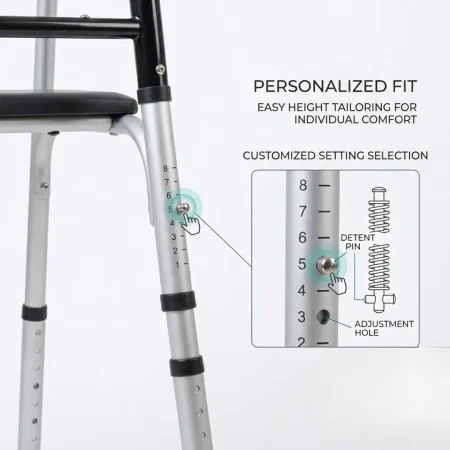
Syringe Pump

A Syringe Pump is a medical infusion device designed to deliver precise amounts of medication, fluids, or other prescribed solutions through a syringe at a controlled rate. It uses a motorized mechanism to move the syringe plunger steadily, allowing accurate and consistent delivery over a selected period. Syringe pumps are commonly used in hospitals, intensive care units, operating rooms, clinics, and neonatal care settings. Depending on the model, features may include adjustable infusion rates, digital displays, occlusion detection, syringe recognition, alarm systems, and battery backup. Proper syringe selection, secure installation, correct programming, and regular maintenance are essential for safe operation. The device should always be used by trained healthcare professionals.

Toilet Safety Rail

A Toilet Safety Rail is a practical bathroom support aid designed to provide additional stability and assistance when sitting down or standing up from a toilet. It can be especially useful for individuals who require extra support with balance, mobility, or everyday bathroom activities. Depending on the model, safety rails may feature a sturdy frame, padded or comfortable hand grips, adjustable height, and secure mounting mechanisms. They are commonly used in homes, hospitals, rehabilitation centers, nursing homes, and senior-care facilities. Durable and easy-to-clean materials support regular use and hygiene. Proper installation and secure attachment are essential to ensure stability. Always follow the manufacturer’s instructions and recommended weight capacity for safe and reliable use.

Transfer Chair

A Transfer Chair is a practical patient mobility aid designed to help caregivers safely move individuals with limited mobility between beds, chairs, bathrooms, and other suitable locations. Its compact design makes it useful for short-distance transfers where a standard wheelchair may not be necessary. Depending on the model, it may feature a sturdy frame, supportive seat, armrests, footrests, locking caster wheels, and safety belts for added stability. Transfer chairs are commonly used in hospitals, clinics, rehabilitation centers, nursing homes, and home-care environments. Their lightweight construction can make handling and storage convenient. Proper positioning, secure braking, and careful patient handling are important for safe transfers. Always follow manufacturer guidelines and recommended weight capacity.

Transit Wheelchair

A Transit Wheelchair is a lightweight mobility aid designed for short-distance transportation of individuals with limited mobility. It is primarily pushed and controlled by a caregiver using the handles, making it convenient for hospitals, clinics, airports, care facilities, and travel. The wheelchair typically features a compact frame, supportive seat and backrest, armrests, footrests, and smaller rear wheels for easy handling and maneuverability. Many models are foldable, allowing convenient storage and transportation. Locking brakes help keep the wheelchair stable during transfers and stops. Its lightweight construction makes it practical for caregivers to carry and operate. Proper patient positioning, secure footrests, and regular maintenance are important for safe and comfortable use.

Transport Patient Monitor

A Transport Patient Monitor is a compact medical monitoring device designed to continuously track essential vital signs while a patient is being moved between different healthcare areas. Depending on the model, it may monitor parameters such as ECG, SpO₂, NIBP, respiration rate, temperature, and pulse rate. Its lightweight design, durable construction, and battery-powered operation make it suitable for patient transfers, emergency care, ambulances, and bedside transportation. A clear digital display allows healthcare professionals to quickly review patient readings during movement. Some models may include alarms, trend monitoring, data storage, and easy-to-use controls. Proper sensor placement, battery maintenance, and trained operation are important for accurate and reliable monitoring during transportation.

Transport Wheelchair

A Transport Wheelchair is a lightweight mobility aid designed to safely and conveniently move individuals with limited mobility over short distances. It is primarily operated by a caregiver using the push handles, making it suitable for hospitals, clinics, airports, shopping areas, and travel. The wheelchair typically features a compact frame, supportive seat and backrest, armrests, footrests, and smaller rear wheels for easy handling. Many models have a foldable design that allows convenient storage and transportation. Locking brakes provide stability during transfers and stops, while durable materials support regular use. Proper positioning, secure footrest placement, and adherence to the recommended weight capacity are important for safe and comfortable patient transportation.

Trauma Emergency Bed

A Trauma Emergency Bed is a specialized hospital bed designed to support rapid patient assessment, stabilization, treatment, and transportation during emergency situations. Its sturdy construction provides a stable platform for patients, while adjustable positioning can help healthcare professionals perform examinations and procedures efficiently. Depending on the model, features may include adjustable backrest, height adjustment, protective side rails, locking caster wheels, safety straps, IV pole attachments, and an easy-to-clean mattress platform. Trauma emergency beds are commonly used in emergency departments, trauma centers, intensive care units, hospitals, and ambulances. Their durable design supports frequent clinical use and quick patient movement. Proper operation, cleaning, inspection, and maintenance are essential for safe and reliable performance.

Tri-Walker (3 Wheel)

A Tri-Walker (3 Wheel) is a lightweight mobility aid designed to provide balance, stability, and convenient walking support for individuals who need assistance with mobility. Its three-wheel configuration offers a compact turning radius, making it easier to maneuver through narrow spaces and around corners. The walker typically features comfortable hand grips, adjustable handle height, sturdy wheels, and hand-operated brakes for controlled movement. Some models may also include a storage pouch or basket for carrying essential items. Tri-walkers are commonly used in homes, hospitals, clinics, rehabilitation centers, shopping areas, and suitable outdoor environments. Proper handle adjustment, brake operation, and regular inspection are important for safe, comfortable, and reliable everyday use.

Two Wheel Foldable Walker

A Two Wheel Foldable Walker is a practical mobility aid designed to provide stability, balance, and walking support for individuals who need assistance with movement. It features two front wheels that allow smooth forward movement while the rear legs provide stability when the walker is stationary. Its foldable design makes it convenient to store, transport, and handle when not in use. Many models include adjustable height settings and comfortable hand grips to support proper posture and ease of use. Two wheel foldable walkers are commonly used in homes, hospitals, clinics, rehabilitation centers, nursing facilities, and home-care environments. Proper height adjustment, safe handling, regular inspection, and appropriate use are important for reliable performance.

Two Wheel Walker

A Two Wheel Walker is a practical mobility aid designed to provide stability, balance, and support for individuals who require assistance while walking. It features two front wheels that allow the walker to move smoothly forward without needing to lift the entire frame. The rear legs are usually fitted with non-slip rubber tips to provide stability when standing or stopping. Many models offer adjustable height settings and comfortable hand grips for improved posture and convenience. Two wheel walkers are commonly used in homes, hospitals, clinics, rehabilitation centers, nursing homes, and home-care environments. Their lightweight construction makes them easy to handle and maneuver. Proper adjustment, safe operation, and regular inspection are important for reliable use.

Urinal Pot

A Urinal Pot is a practical healthcare accessory designed to help patients who are unable to conveniently access a toilet due to limited mobility, illness, or bed rest. It provides a convenient solution for collecting urine while the patient remains in bed or in a seated position. Urinal pots are commonly used in hospitals, clinics, nursing homes, rehabilitation centers, and home-care environments. They are typically made from durable, lightweight, and easy-to-clean materials for regular use. Depending on the design, features may include an ergonomic shape, secure grip, wide opening, and easy-pour design. Proper cleaning, disinfection, and hygienic handling are essential after each use to maintain cleanliness and patient comfort.

Urinal Pot (Female)

A Urinal Pot (Female) is a specially designed healthcare accessory that provides a convenient solution for women who need to urinate while bedridden, have limited mobility, or cannot easily access a toilet. Its ergonomic shape is designed to provide comfortable and practical use while helping prevent spills during collection. Female urinal pots are commonly used in hospitals, clinics, nursing homes, rehabilitation centers, and home-care environments. They are generally made from durable, lightweight, and easy-to-clean materials suitable for regular use. Depending on the design, features may include a comfortable opening, secure grip, spill-resistant shape, and easy-pour outlet. Proper cleaning, disinfection, and hygienic handling after each use are essential for maintaining cleanliness and patient comfort.

Ventilator

A Ventilator is a medical respiratory support device designed to assist patients who are unable to breathe adequately on their own. It delivers controlled amounts of air and oxygen to the lungs through an appropriate breathing interface or airway. Depending on the model, ventilators may provide different ventilation modes, adjustable pressure and volume settings, monitoring functions, and audible or visual alarms. They are commonly used in hospitals, intensive care units, emergency departments, operating rooms, and specialized respiratory care facilities. The device helps healthcare professionals manage respiratory support according to individual patient requirements. Proper setup, continuous monitoring, regular maintenance, and operation by trained healthcare professionals are essential for safe and effective use.

Walker With Basket

A Walker With Basket is a practical mobility aid designed to provide stability, balance, and convenient support while walking. It features a sturdy frame along with an integrated basket, allowing users to carry personal belongings, medicines, groceries, or other essential items while moving. Depending on the model, it may include adjustable height settings, comfortable hand grips, non-slip rubber tips, or wheels for smoother movement. The basket provides added convenience by keeping items within easy reach without requiring an additional bag. Walker with baskets are commonly used in homes, hospitals, rehabilitation centers, clinics, nursing facilities, and suitable outdoor environments. Proper adjustment, safe handling, and regular inspection are important for comfortable and reliable use.

Walker With Hand Brake

A Walker With Hand Brake is a practical mobility aid designed to provide stability, balance, and controlled support for individuals who need assistance while walking. Its integrated hand brake system allows users to control or slow the wheels conveniently, providing greater confidence during movement and stops. Depending on the model, it may feature adjustable handles, comfortable hand grips, a lightweight frame, and smooth-rolling wheels. Some designs may also include a padded seat, storage basket, or pouch for added convenience. These walkers are commonly used in homes, hospitals, clinics, rehabilitation centers, nursing facilities, and suitable outdoor environments. Proper handle adjustment, brake operation, regular inspection, and safe handling are important for reliable everyday use.

Walker With Seat

A Walker With Seat is a versatile mobility aid designed to provide stability, balance, and convenient support for individuals who need assistance while walking. It features a built-in padded seat, allowing users to take a comfortable rest whenever needed during mobility. Depending on the model, it may include four wheels, hand-operated brakes, adjustable handles, a storage basket, or a convenient pouch. Its sturdy yet lightweight frame allows easy maneuverability through suitable indoor and outdoor areas. Walkers with seats are commonly used in homes, hospitals, clinics, rehabilitation centers, nursing facilities, and shopping areas. Proper handle adjustment, secure brake operation, and regular inspection are important for safe, comfortable, and reliable everyday use.

Water Mattress

A Water Mattress is a specialized mattress designed to provide a comfortable and supportive sleeping surface using water-filled compartments. The water-filled design allows the mattress to adjust naturally to the user’s body contours, helping distribute weight across the surface. It can provide a gentle, cushioning feel and is suitable for hospitals, nursing homes, rehabilitation centers, and home-care environments, depending on the model. Water mattresses may feature durable, waterproof materials, protective covers, and adjustable water levels for customized comfort. Proper filling, placement, cleaning, and regular inspection are important to maintain performance and hygiene. Always follow the manufacturer’s instructions regarding setup, maintenance, maximum weight capacity, and safe handling.

Wrist Support

A Wrist Support is a healthcare accessory designed to provide stability, comfort, and support to the wrist during daily activities, exercise, work, or recovery. It can help limit excessive wrist movement while allowing suitable flexibility for routine tasks. Depending on the design, it may feature adjustable straps, breathable fabric, elastic materials, or reinforced supports for a secure and comfortable fit. Wrist supports are commonly used in homes, workplaces, rehabilitation centers, clinics, sports facilities, and healthcare environments. Their lightweight and flexible construction makes them convenient for regular use. Proper sizing and adjustment are important to avoid excessive pressure. The support should be used according to individual needs and professional recommendations when appropriate.