
Products
- Home
- Patient Monitors Diagnostics
3 Para Monitor
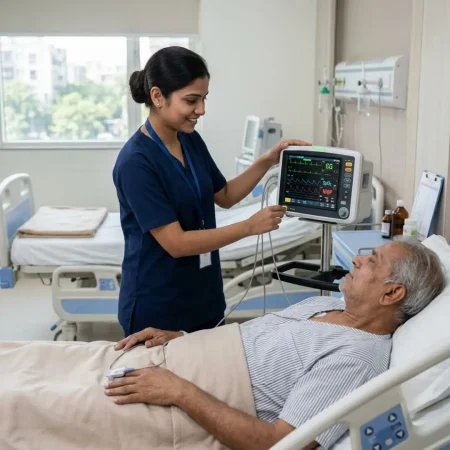
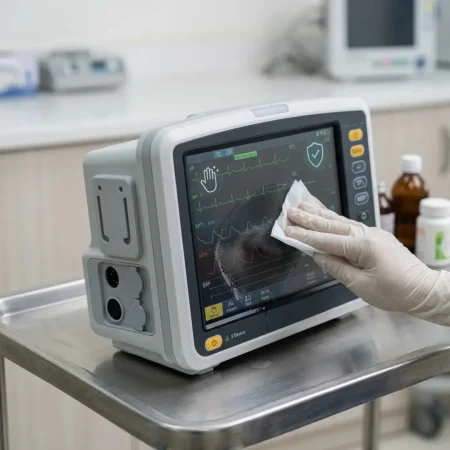
A 3 Para Monitor is a compact patient monitoring device designed to measure and display three essential vital signs, commonly including ECG, SpO₂, and NIBP (blood pressure). It provides healthcare professionals with quick and clear information about a patient’s vital condition during routine monitoring, examinations, and clinical care. With a user-friendly display and simple controls, the monitor can be suitable for hospitals, clinics, nursing homes, and other healthcare settings. Its compact design makes it convenient for different patient-care environments. Reliable measurements depend on proper sensor placement, correct cuff size, and appropriate operation. The device should be used by trained healthcare professionals according to the manufacturer’s instructions and clinical requirements.
5 Para Monitor
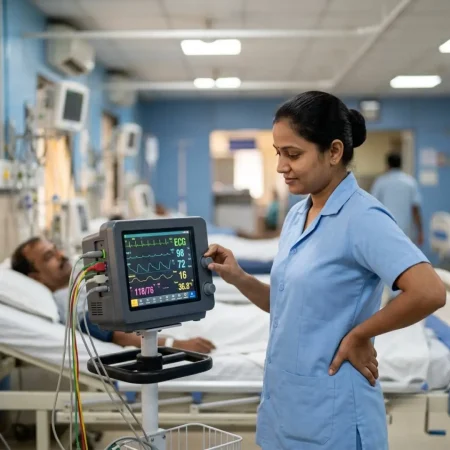
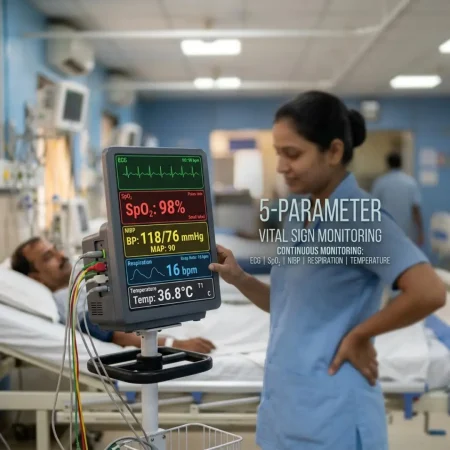
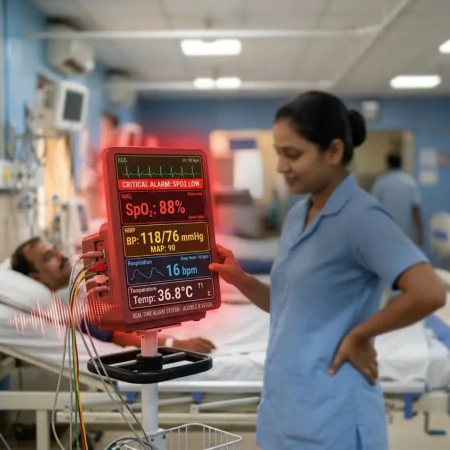
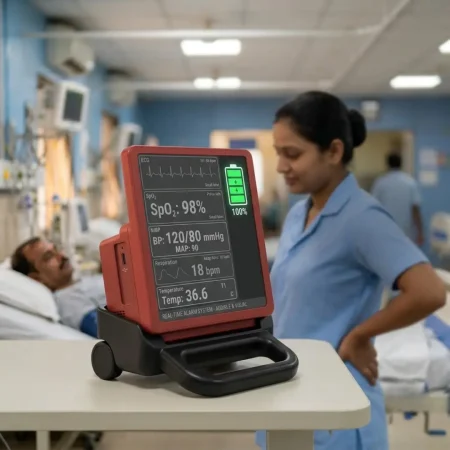
A 5 Para Monitor is an advanced patient monitoring device designed to continuously display five important vital parameters, commonly including ECG, SpO₂, NIBP, temperature, and respiration rate. It provides healthcare professionals with clear and timely information about a patient’s condition during examinations, treatment, and routine monitoring. The monitor typically features a clear display, easy-to-use controls, and customizable alarm settings for efficient patient observation. It is suitable for hospitals, clinics, nursing homes, emergency departments, and other healthcare environments. Accurate monitoring depends on proper sensor placement, correct cuff size, and appropriate operation. The device should be used by trained healthcare professionals according to clinical requirements and manufacturer instructions.
5 Parameter Patient Monitor
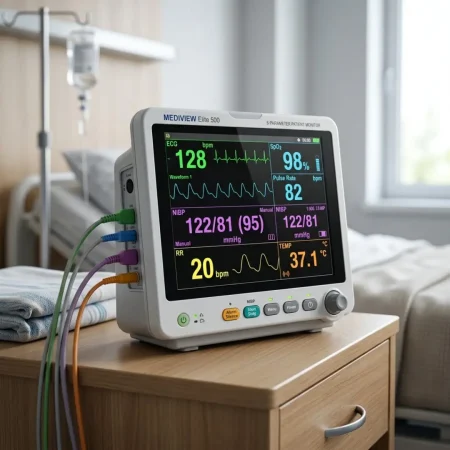
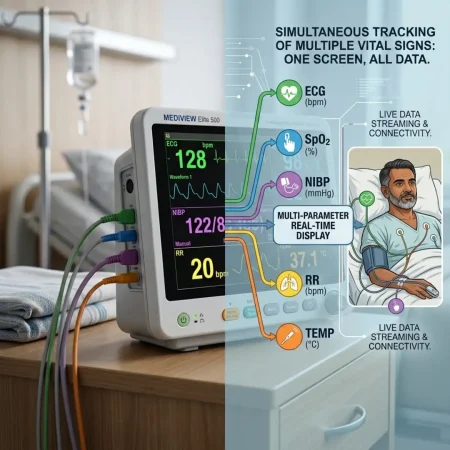
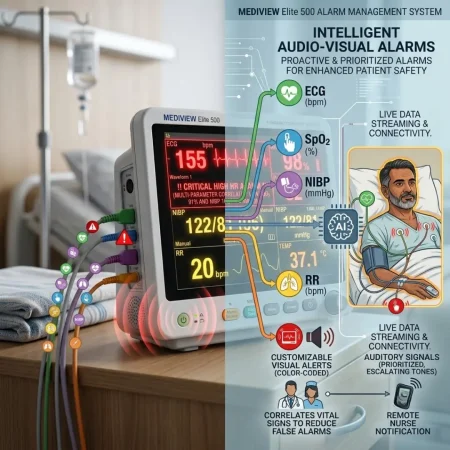
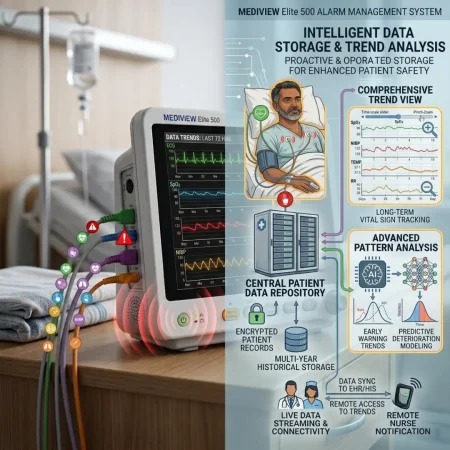
A 5 Parameter Patient Monitor is a reliable medical device designed to continuously monitor and display five essential patient parameters, including ECG, SpO₂, NIBP, respiration rate, and temperature. It helps healthcare professionals observe a patient’s vital signs accurately during examinations, treatment, surgery, and routine care. The monitor features a clear digital display and user-friendly controls for convenient operation and efficient observation. It is suitable for hospitals, clinics, ICUs, emergency departments, nursing homes, and other healthcare facilities. Proper sensor placement and correct measurement techniques are important for dependable readings. The device should be operated by trained medical personnel according to clinical requirements and the manufacturer’s instructions.
6 Parameter Patient Monitor
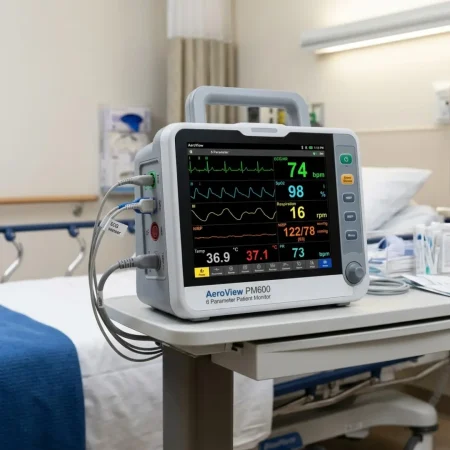
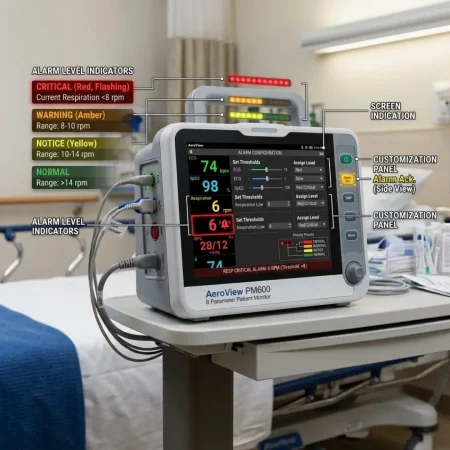
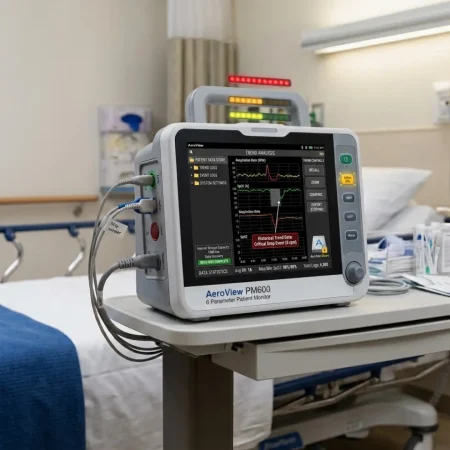
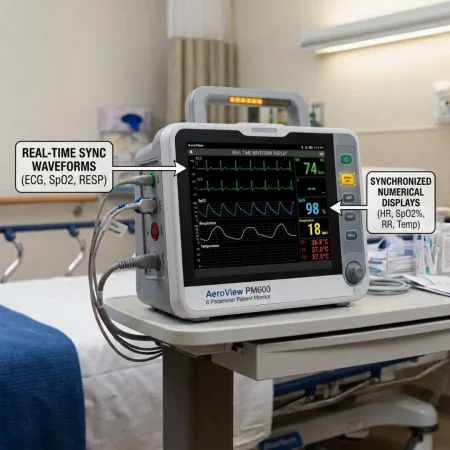
A 6 Parameter Patient Monitor is an advanced medical monitoring device designed to continuously measure and display six essential patient parameters, commonly including ECG, SpO₂, NIBP, respiration rate, temperature, and pulse rate. It helps healthcare professionals monitor patients efficiently during examinations, treatment, surgery, emergency care, and recovery. With a clear digital display, alarm indications, and user-friendly controls, the monitor supports accurate and convenient patient observation. It is suitable for hospitals, ICUs, clinics, emergency departments, nursing homes, and other healthcare facilities. Proper sensor placement and correct operating procedures are essential for reliable readings. The monitor should be used by trained healthcare professionals according to clinical needs and manufacturer instructions.
7 Parameter Patient Monitor
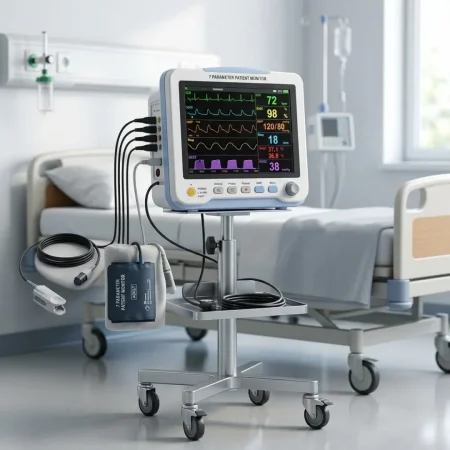
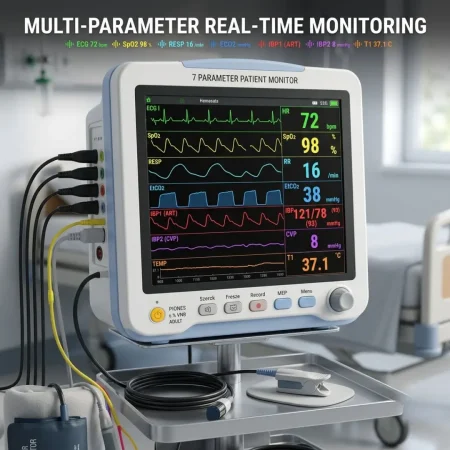
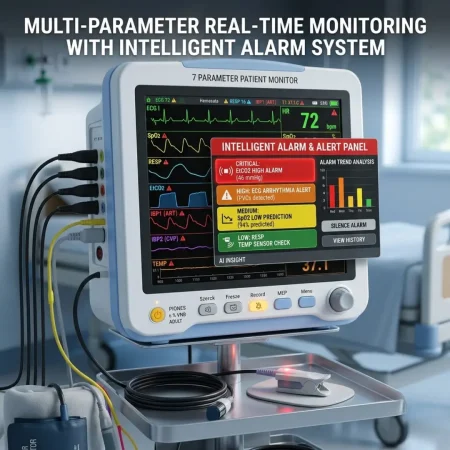
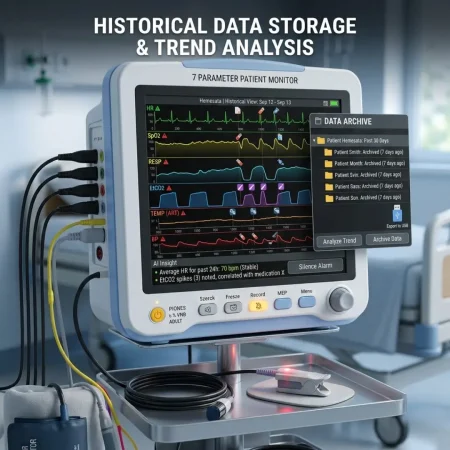
A 7 Parameter Patient Monitor is an advanced medical monitoring device designed to continuously measure and display seven essential patient parameters, commonly including ECG, SpO₂, NIBP, respiration rate, temperature, pulse rate, and heart rate. It helps healthcare professionals monitor vital signs during examinations, treatment, surgery, emergency care, and recovery. The monitor features a clear digital display, alarm indicators, and user-friendly controls for efficient patient observation. It is suitable for hospitals, ICUs, clinics, emergency departments, nursing homes, and other healthcare settings. Proper sensor placement and correct operating procedures are important for dependable readings. The device should be operated by trained healthcare professionals according to clinical requirements and manufacturer instructions.


Bedside Commode Chair
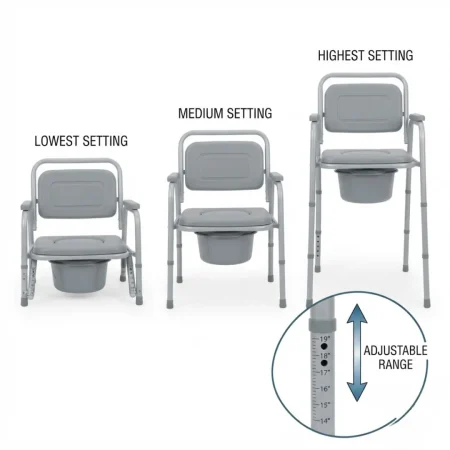
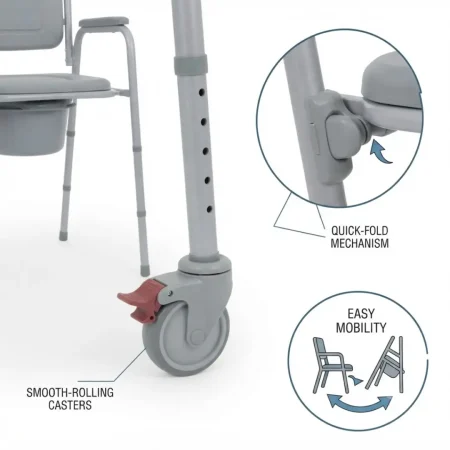
A Bedside Commode Chair is a convenient toilet-support solution designed for individuals who have difficulty accessing a regular bathroom. It can be placed beside a bed and is commonly used in hospitals, nursing homes, rehabilitation centers, and home-care environments. The chair typically features a sturdy frame, comfortable seat, armrests, and a removable commode bucket for easy cleaning and disposal. Many models also include adjustable legs with non-slip rubber tips for improved stability and safety. Its compact design makes it practical for everyday patient care. Proper placement, regular cleaning, and secure positioning are important for safe use. Always follow the manufacturer’s guidelines and recommended weight capacity when using a bedside commode chair.
Bedside Locker
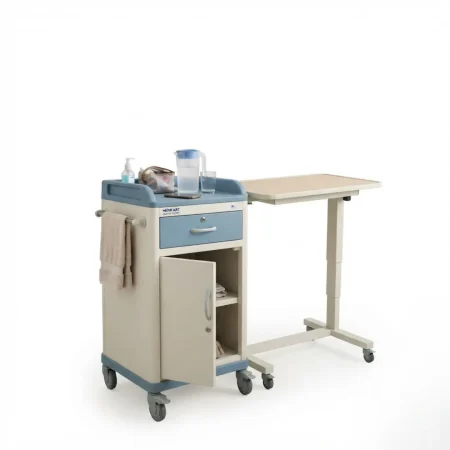
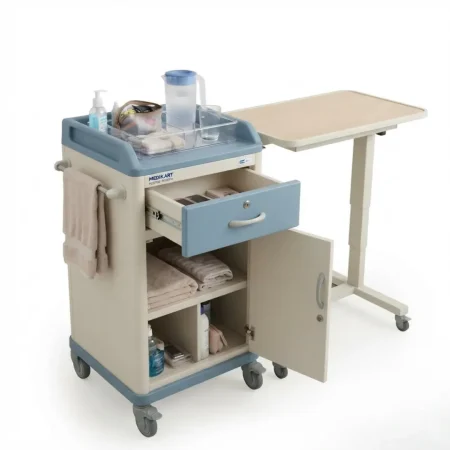
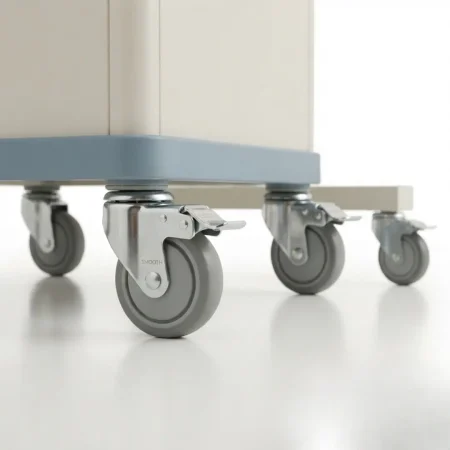
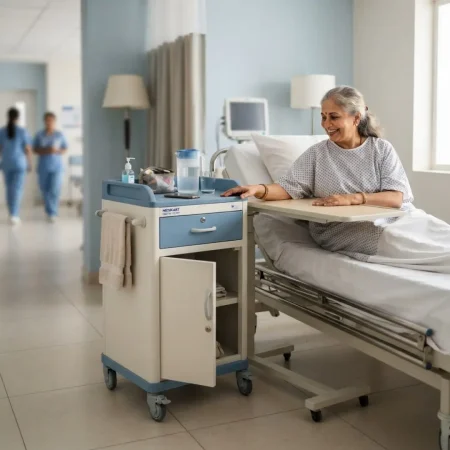
A Bedside Locker is a practical hospital furniture unit designed to provide convenient storage for patients’ personal belongings, medicines, and essential items. It is commonly placed beside hospital beds in hospitals, clinics, nursing homes, and healthcare facilities. The locker typically includes drawers, shelves, or compartments for organized storage and easy access. Its sturdy construction provides durability for regular use, while smooth and easy-to-clean surfaces support proper hygiene. Some models may feature a tabletop, lockable drawer, or wheels for added convenience and mobility. A compact design helps maximize available space around the patient’s bed. The bedside locker is an essential addition to patient-care environments, offering organization, accessibility, and everyday convenience.
Bedside Patient Monitor
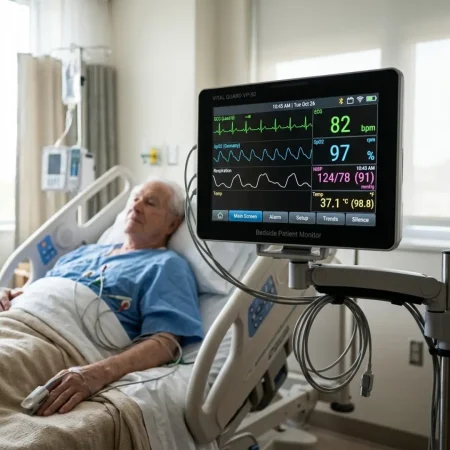
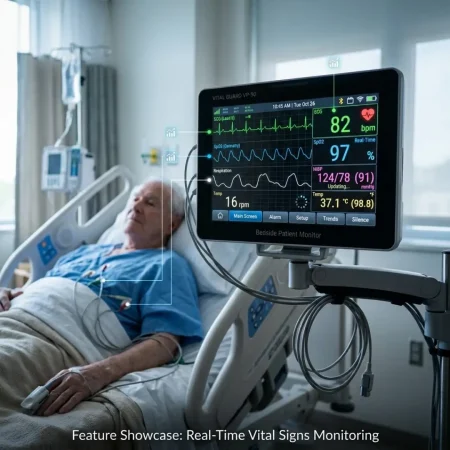
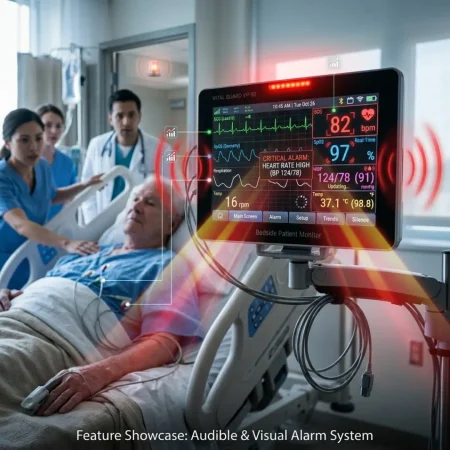
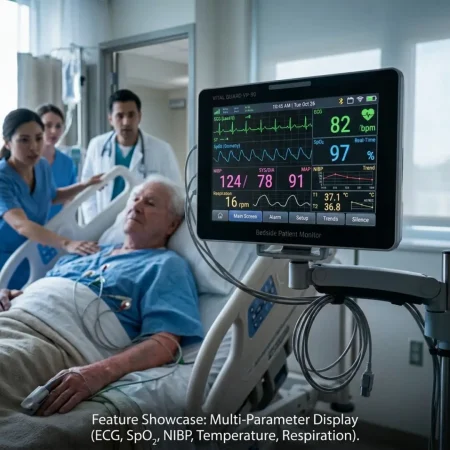
A Bedside Patient Monitor is a medical monitoring device designed to continuously display important vital signs and patient parameters at the bedside. It is commonly used in hospitals, ICUs, emergency rooms, clinics, and other healthcare facilities for effective patient observation. Depending on the model, it can monitor parameters such as ECG, SpO₂, blood pressure, pulse rate, temperature, and respiration rate. A clear digital display allows healthcare professionals to quickly review readings and identify changes in the patient’s condition. Alarm functions can provide alerts when monitored values reach preset limits. Proper sensor placement, calibration, and operation are essential for reliable readings. The monitor should be used by trained healthcare professionals.
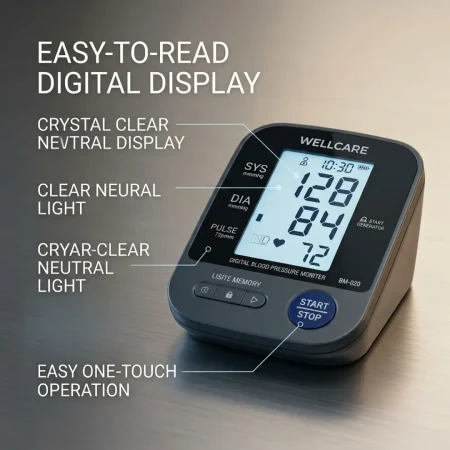
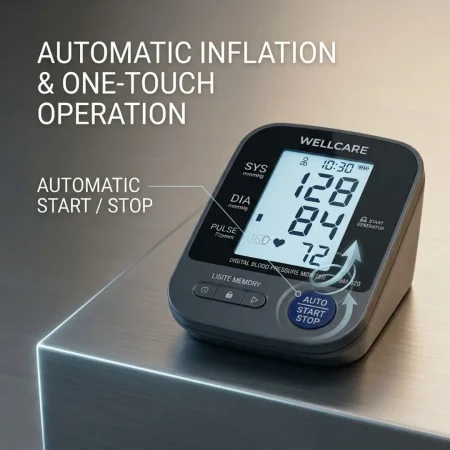
Digital Blood Pressure Monitor
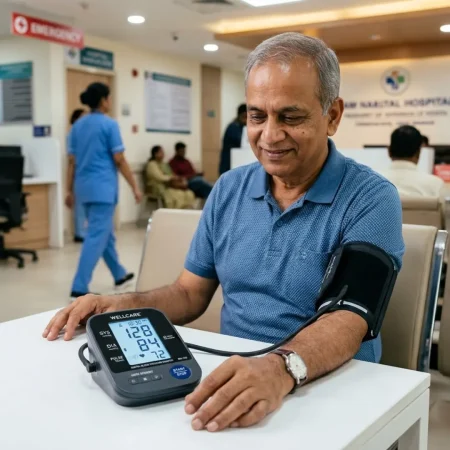
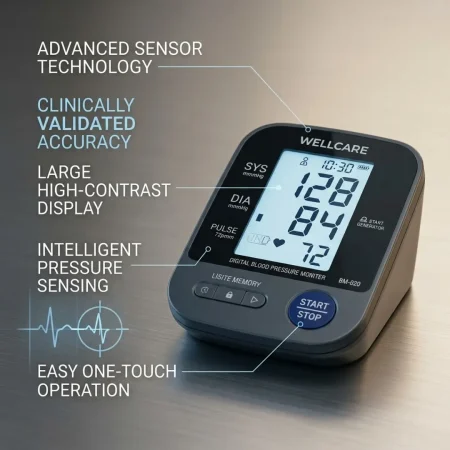
A Digital Blood Pressure Monitor is an electronic medical device designed to measure blood pressure and pulse rate quickly and conveniently. It usually features an automatic inflatable cuff and a digital display that shows systolic pressure, diastolic pressure, and pulse readings. Its simple operation makes it suitable for hospitals, clinics, pharmacies, offices, and home healthcare environments. Some models may include memory storage, irregular heartbeat detection, and multiple user profiles for convenient tracking. Correct cuff placement, a comfortable sitting position, and following the manufacturer’s instructions are important for reliable measurements. Regular monitoring can help users and healthcare professionals track blood pressure over time. Medical advice should be followed when interpreting readings.
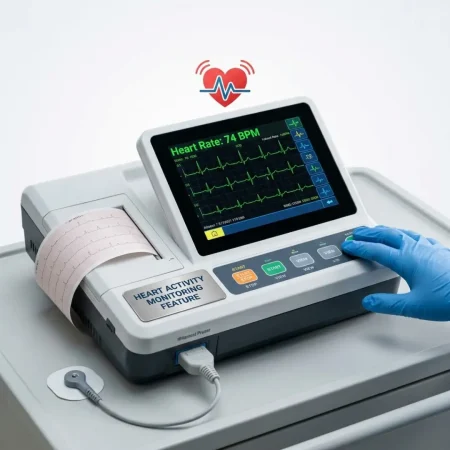
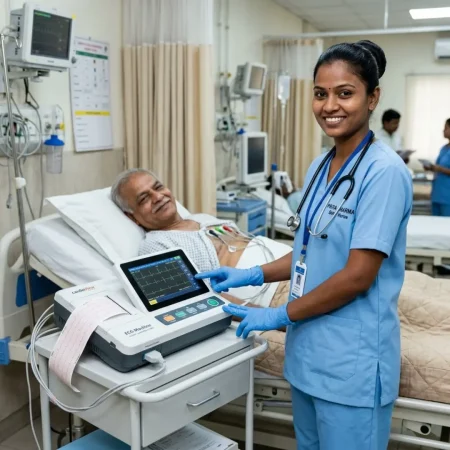
ECG Machine
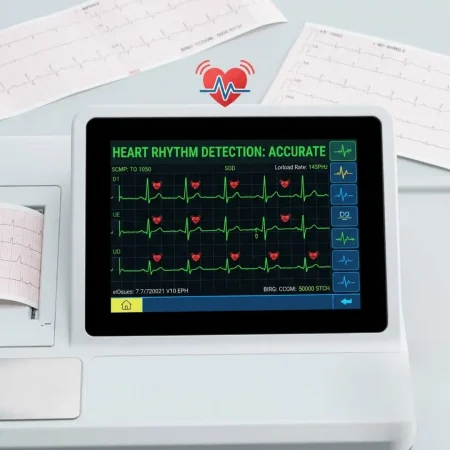
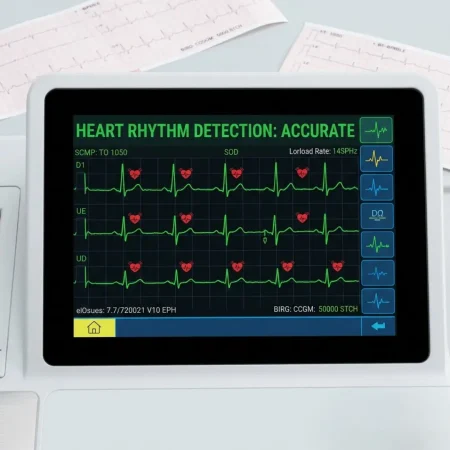
An ECG Machine is a medical diagnostic device used to record the electrical activity of the heart and help healthcare professionals evaluate heart rhythm and rate. It captures electrical signals through electrodes placed on specific areas of the body and displays or prints the resulting electrocardiogram waveform. ECG machines are commonly used in hospitals, clinics, diagnostic centers, emergency departments, and cardiac care facilities. Depending on the model, features may include a digital display, automatic interpretation, thermal printing, data storage, and multiple recording modes. The device is designed for quick and convenient cardiac assessment. Proper electrode placement and correct operation are important for accurate results. ECG testing should be performed by trained healthcare professionals.
Glucometer
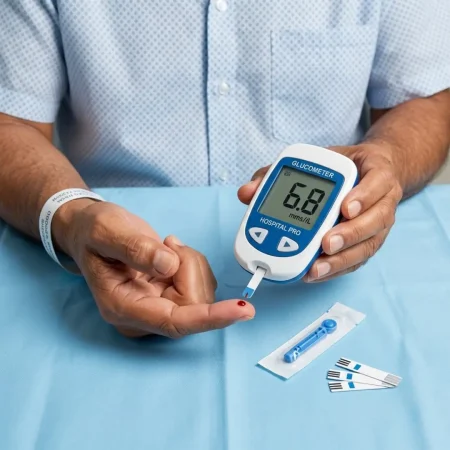
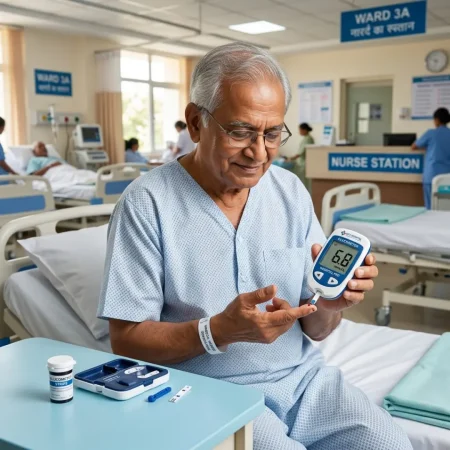
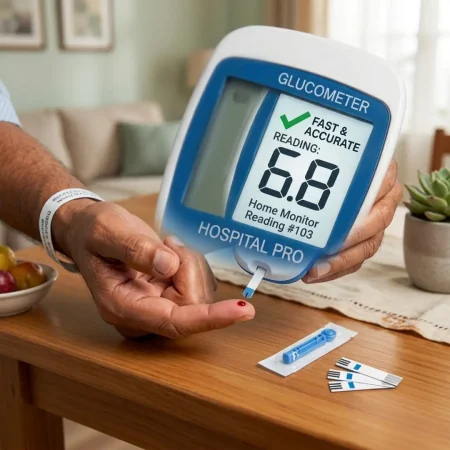
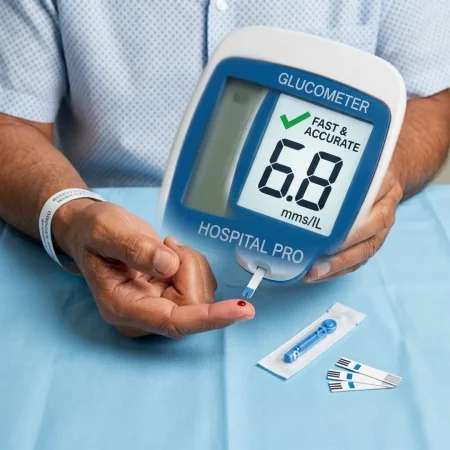
A Glucometer is a compact medical device used to measure blood glucose levels quickly and conveniently. It helps individuals and healthcare professionals monitor blood sugar as part of diabetes management and routine health monitoring. The device generally works with test strips and a small blood sample obtained using a lancet. Modern glucometers may feature a clear digital display, memory storage, automatic coding, and easy-to-use controls. Their portable design makes them suitable for use at home, clinics, hospitals, and during travel. Proper hand hygiene, correct test-strip handling, and accurate sample collection are important for reliable readings. Always use the glucometer according to the manufacturer’s instructions and healthcare professional guidance.
ICU Bed (Electric)
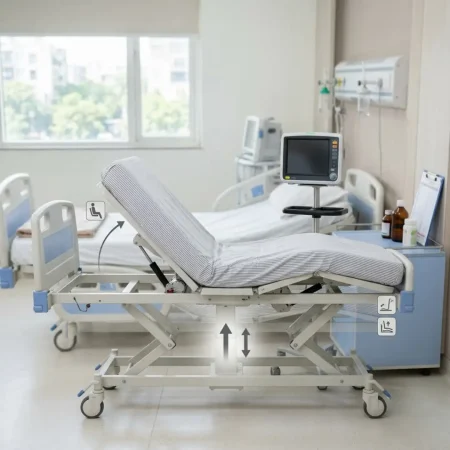
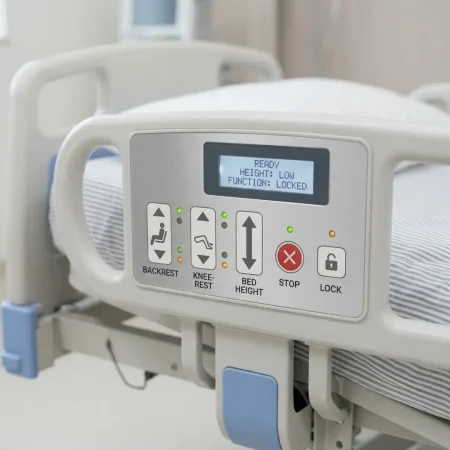
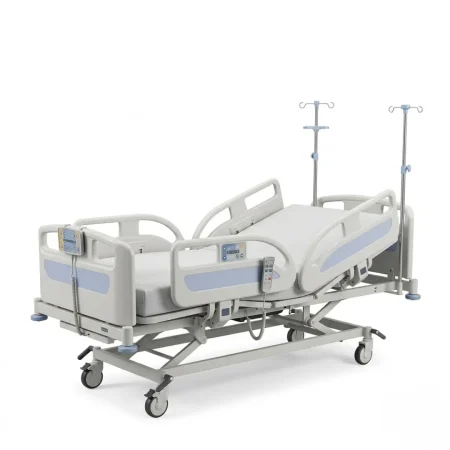
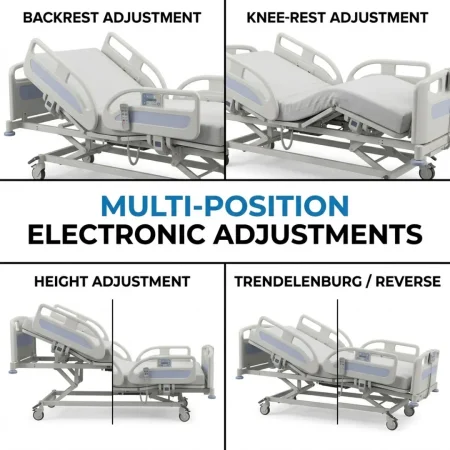
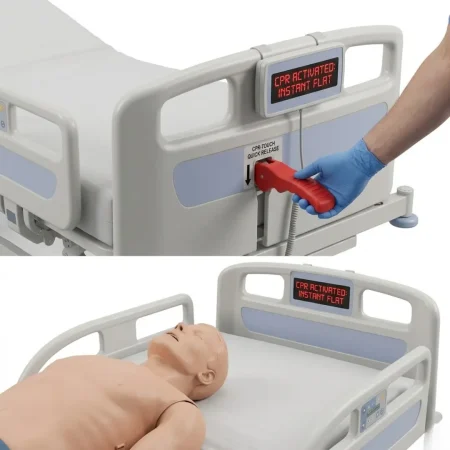
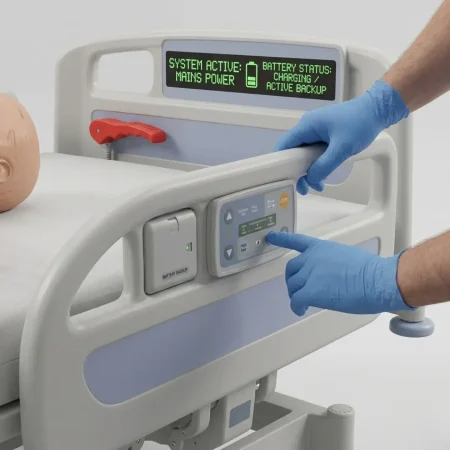
An ICU Bed (Electric) is an advanced hospital bed designed to provide comfort, safety, and flexible positioning for critically ill patients. Its electric adjustment system allows caregivers to control the bed height, backrest, leg section, and other positions using convenient controls. The bed may include protective side rails, locking casters, a sturdy frame, and attachments for medical accessories such as IV poles and monitoring equipment. Its design supports easier patient care, transfers, examinations, and positioning in intensive care environments. ICU electric beds are commonly used in hospitals, critical care units, and specialized healthcare facilities. Regular cleaning, inspection, and proper operation according to manufacturer guidelines are essential for safe and reliable performance.
ICU Bed (Manual)
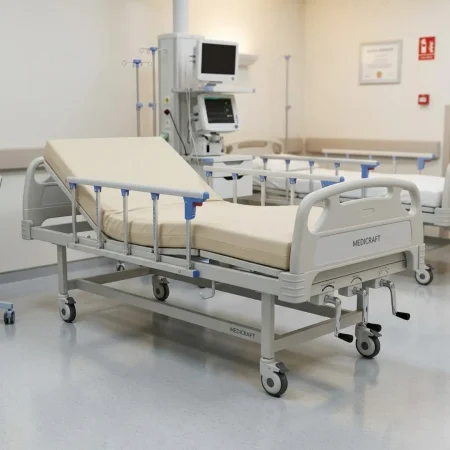
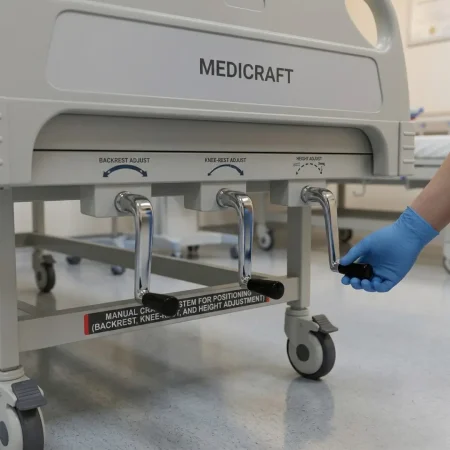
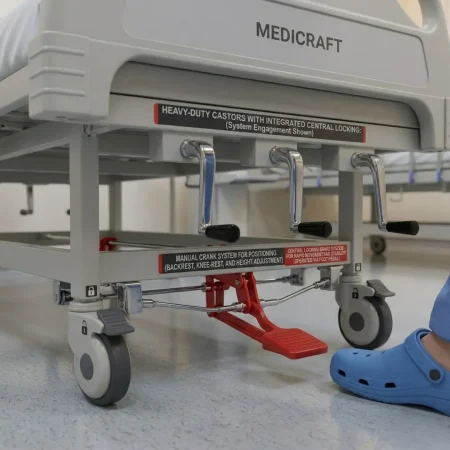
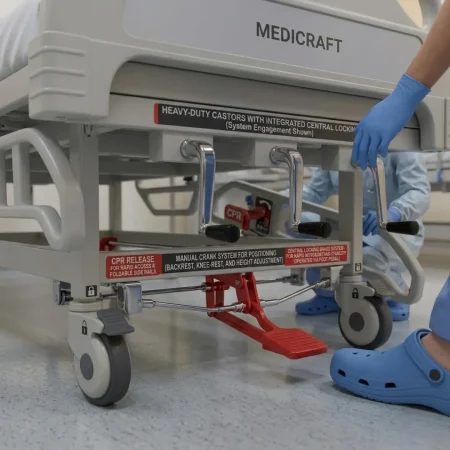
An ICU Bed (Manual) is a durable hospital bed designed to provide stability, comfort, and flexible positioning for patients requiring intensive medical care. Its manual adjustment mechanisms allow caregivers to change the backrest, leg section, and other positions using hand-operated controls. The bed may include protective side rails, locking casters, a strong frame, and attachments for IV poles and other medical accessories. Its adjustable design supports patient positioning, examinations, transfers, and routine caregiving activities. Manual ICU beds are commonly used in intensive care units, hospitals, clinics, and specialized healthcare facilities. Easy-to-clean surfaces help maintain hygiene, while regular inspection and proper operation according to manufacturer guidelines ensure safe and reliable use.
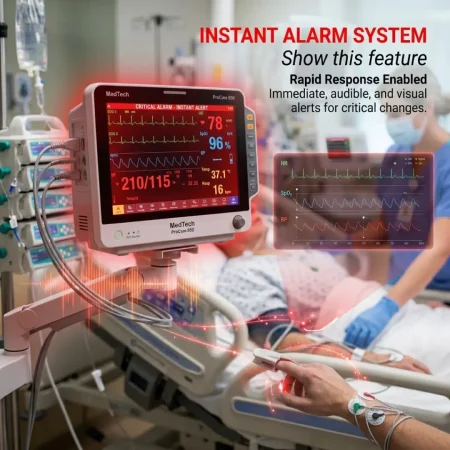
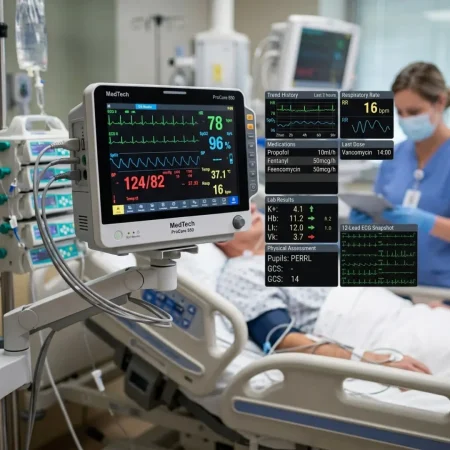
ICU Patient Monitor
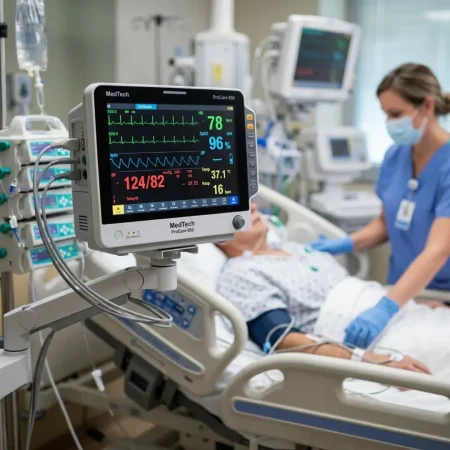
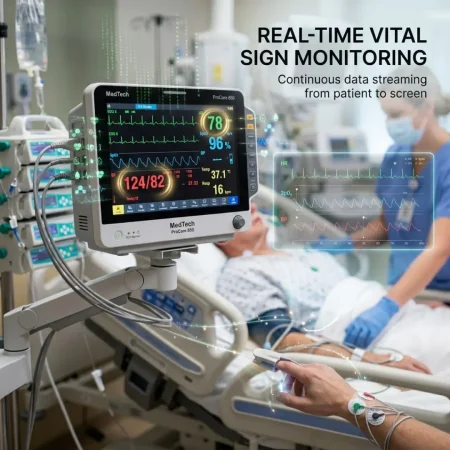
An ICU Patient Monitor is an advanced medical device designed to continuously monitor and display essential vital signs of critically ill patients. It helps healthcare professionals observe parameters such as ECG, SpO₂, NIBP, respiration rate, temperature, and pulse rate, depending on the model. The monitor provides a clear digital display, allowing quick review of patient readings and changes over time. Alarm functions can alert medical staff when measured values move beyond preset limits. ICU patient monitors are commonly used in intensive care units, emergency departments, operating rooms, and specialized healthcare facilities. Accurate sensor placement and proper operation are essential for reliable monitoring. The device should be used by trained healthcare professionals according to clinical requirements and manufacturer instructions.
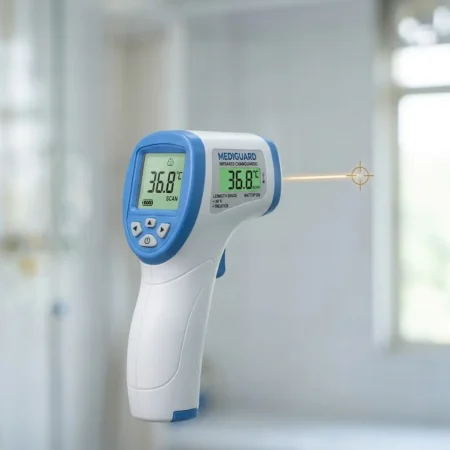
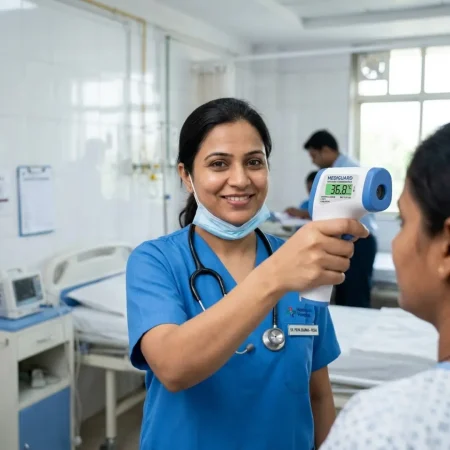
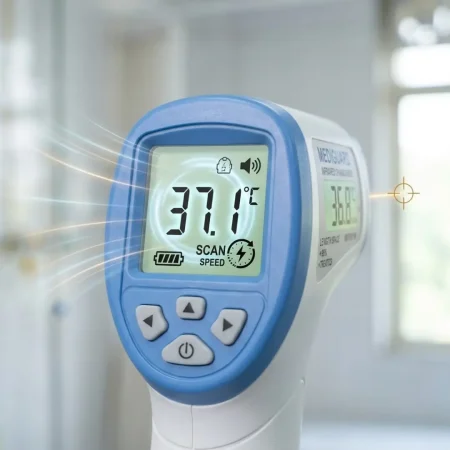
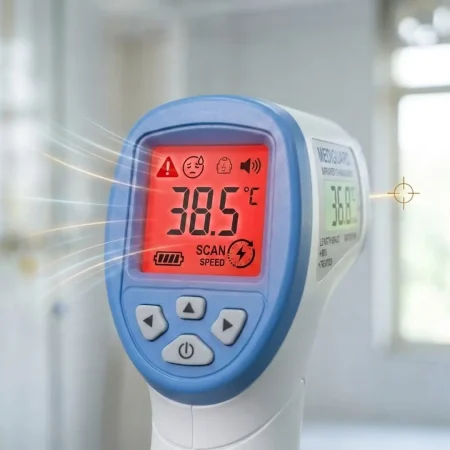
Infrared Thermometer
An Infrared Thermometer is a non-contact temperature measurement device designed to quickly measure body or surface temperature using infrared technology. It detects thermal energy from the target and converts it into a temperature reading displayed on a digital screen. Its contactless operation makes it convenient for hospitals, clinics, pharmacies, workplaces, schools, and home healthcare environments. The thermometer is easy to operate and can provide readings within seconds, reducing the need for direct contact with the skin. Depending on the model, features may include memory storage, fever alerts, backlit displays, and measurement modes. For accurate results, use the thermometer according to the manufacturer’s instructions and recommended measurement distance.
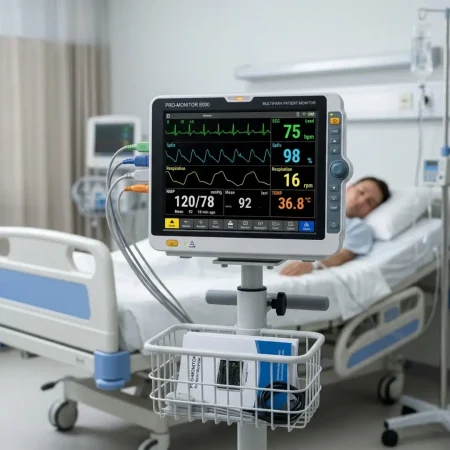
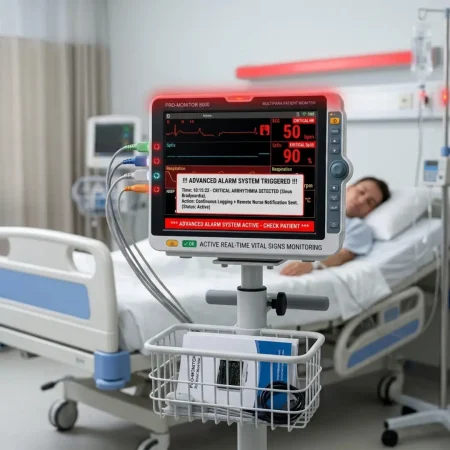
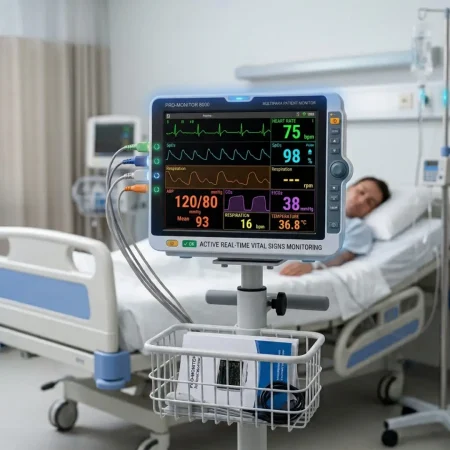
Multipara Patient Monitor
A Multipara Patient Monitor is an advanced medical device designed to continuously monitor and display multiple vital signs of a patient. Depending on the model, it can measure parameters such as ECG, SpO₂, NIBP, respiration rate, temperature, and pulse rate. Its clear digital display helps healthcare professionals observe patient conditions efficiently during examinations, treatment, surgery, and critical care. The monitor may include features such as adjustable alarm limits, trend monitoring, data storage, and user-friendly controls. Multipara Patient Monitors are commonly used in hospitals, ICUs, emergency departments, clinics, operating rooms, and nursing facilities. Proper sensor placement, regular maintenance, and trained operation are important for accurate and reliable patient monitoring.
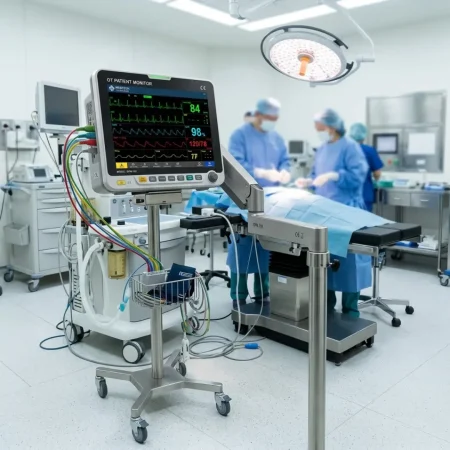
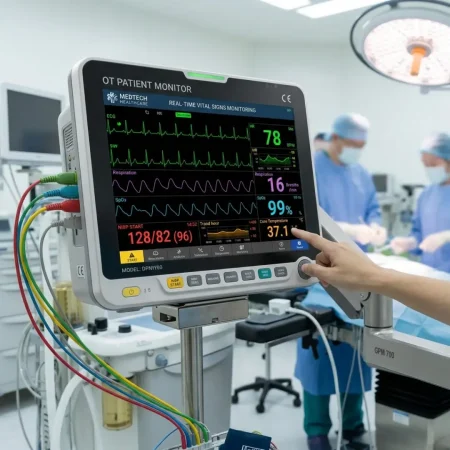
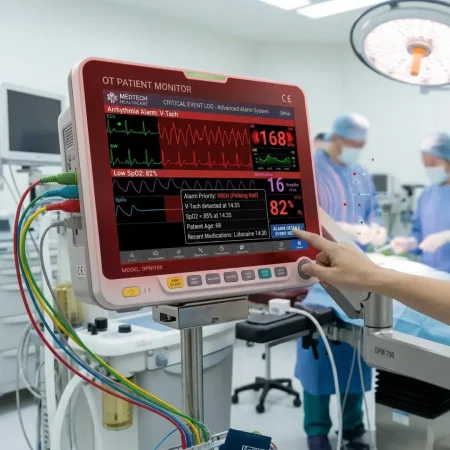
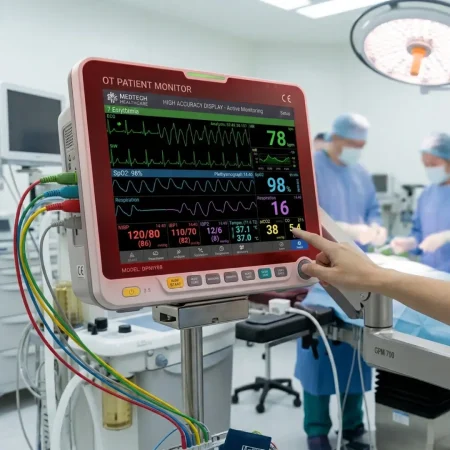
OT Patient Monitor
An OT Patient Monitor is a medical monitoring device designed to continuously track essential vital signs during surgical and operative procedures. It helps healthcare professionals monitor the patient’s condition throughout surgery and recovery. Depending on the model, the monitor may display parameters such as ECG, SpO₂, NIBP, respiration rate, temperature, and pulse rate. A clear digital screen provides real-time readings for convenient observation, while configurable alarms can alert medical staff to changes in monitored values. OT Patient Monitors are commonly used in operating theatres, hospitals, surgical centers, and recovery areas. Proper sensor placement, calibration, and trained operation are important for reliable measurements. Always use the monitor according to clinical requirements and manufacturer instructions.
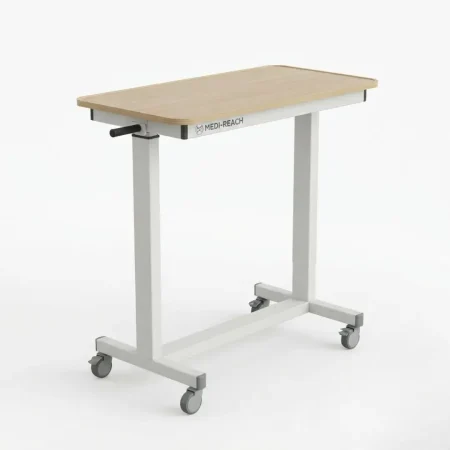

Overbed Table
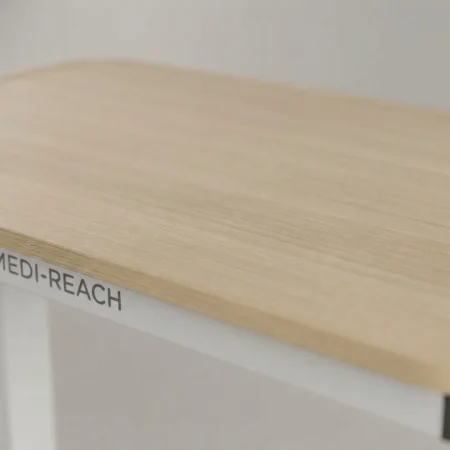
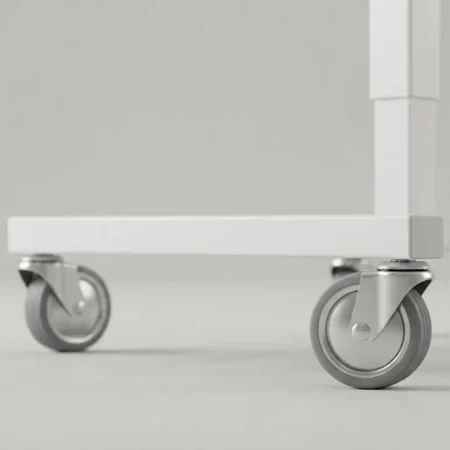
An Overbed Table is a practical hospital furniture solution designed to provide patients with a convenient surface for eating, reading, writing, using electronic devices, and keeping essential items within easy reach. Its height-adjustable design allows the table to be positioned comfortably over a hospital or home-care bed. Many models feature smooth-rolling casters, a sturdy frame, and a spacious tabletop for improved convenience. Some tables may also include tilt-adjustable surfaces or raised edges to help keep items secure. Overbed tables are commonly used in hospitals, clinics, nursing homes, rehabilitation centers, and home-care environments. Durable construction and easy-to-clean surfaces support regular use, hygiene, and long-term reliability.


Portable Oxygen Concentrator (POC)
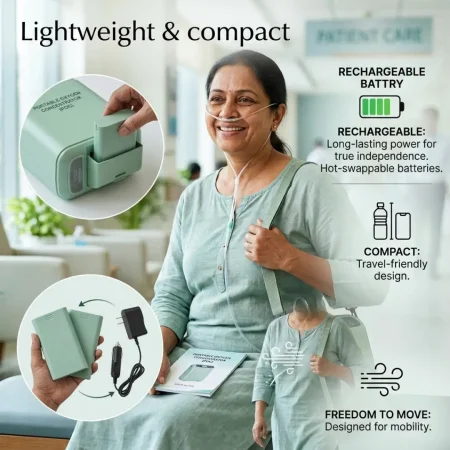
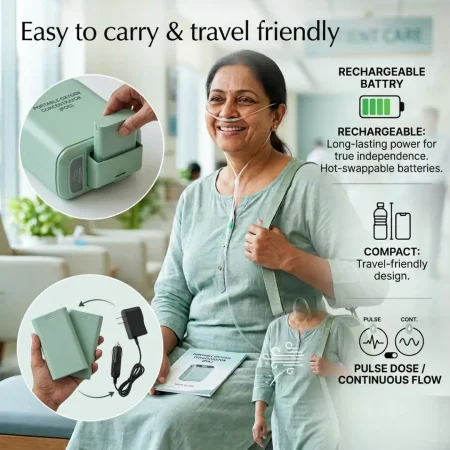
A Portable Oxygen Concentrator (POC) is a compact medical device designed to provide supplemental oxygen for patients who require prescribed oxygen therapy while traveling or moving between locations. It draws in surrounding air, removes nitrogen, and delivers concentrated oxygen through a nasal cannula or suitable oxygen delivery system. Its lightweight and portable design makes it convenient for use at home, during travel, and in other appropriate settings. Depending on the model, features may include rechargeable batteries, adjustable oxygen settings, lightweight construction, digital displays, and alarms. Portable oxygen concentrators can support greater mobility compared with stationary systems. Oxygen settings should always be prescribed by a qualified healthcare professional and used according to manufacturer instructions.
Portable Patient Monitor
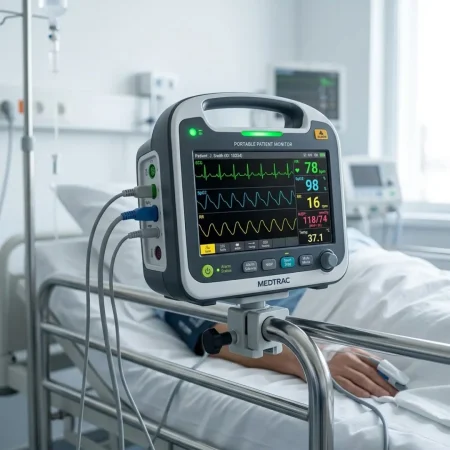
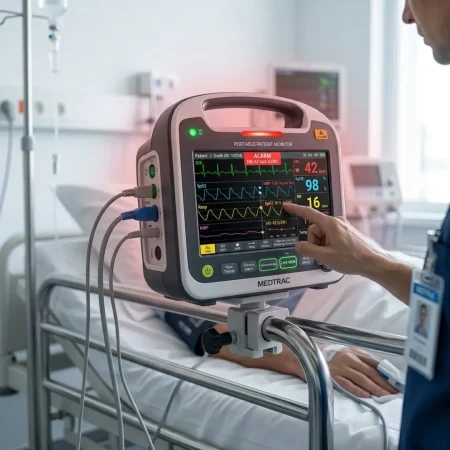
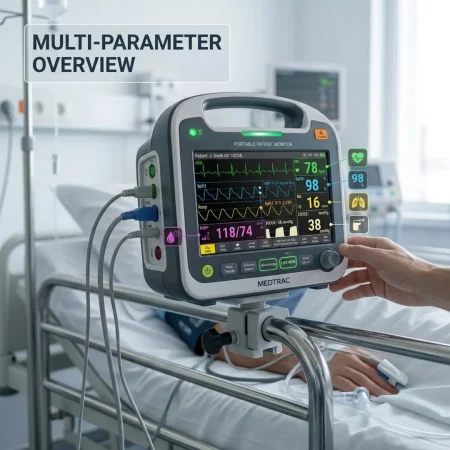
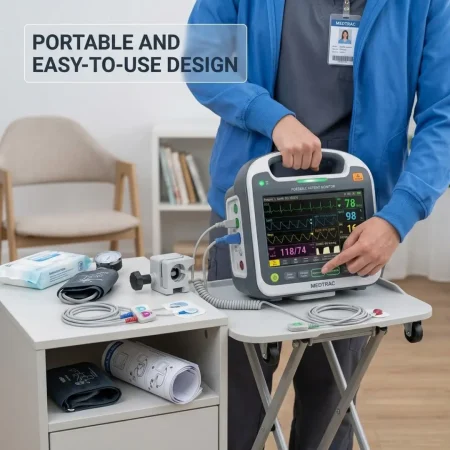
A Portable Patient Monitor is a compact medical device designed to monitor and display essential vital signs while allowing convenient movement between different healthcare areas. Depending on the model, it may monitor parameters such as ECG, SpO₂, NIBP, respiration rate, temperature, and pulse rate. Its lightweight design and rechargeable battery can support use during patient transfers, examinations, emergency care, and bedside monitoring. A clear digital display allows healthcare professionals to review readings quickly and efficiently. Portable patient monitors are commonly used in hospitals, clinics, ambulances, emergency departments, and home-care settings. Proper sensor placement, battery maintenance, regular inspection, and trained operation are important for accurate readings and reliable performance.
Pulse Oximeter
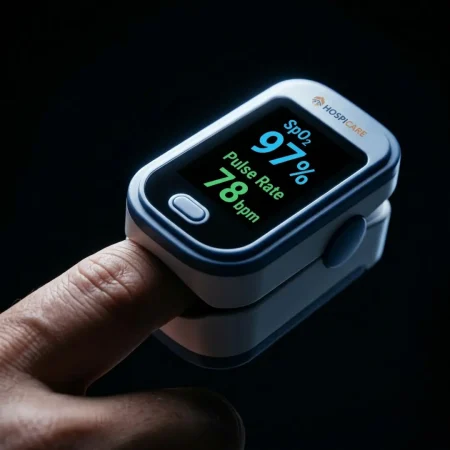
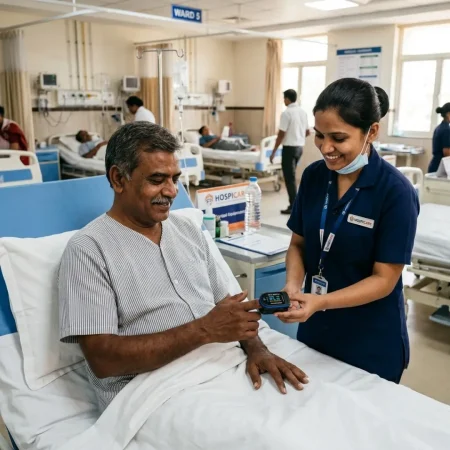
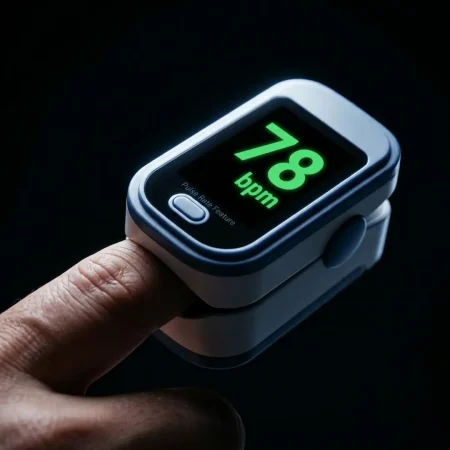
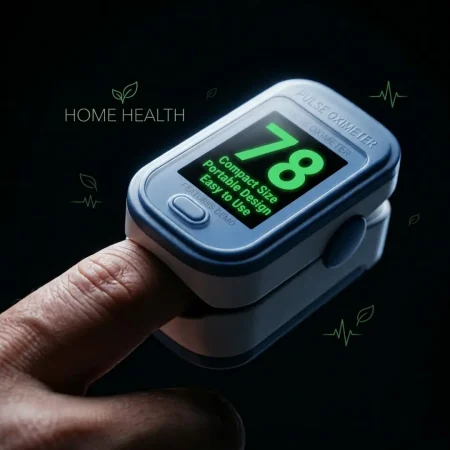
A Pulse Oximeter is a compact, non-invasive medical device used to measure blood oxygen saturation (SpO₂) and pulse rate. It is typically placed on a fingertip and uses light-based technology to provide quick readings on a digital display. Its portable and lightweight design makes it convenient for hospitals, clinics, emergency care, rehabilitation centers, and home healthcare use. Depending on the model, features may include a bright LED display, low-battery indicator, automatic shut-off, and adjustable display orientation. Proper placement and keeping the finger still can help obtain more reliable readings. Pulse oximeters should be used according to the manufacturer’s instructions and healthcare professional guidance, especially when monitoring patients with medical conditions.
Transport Patient Monitor
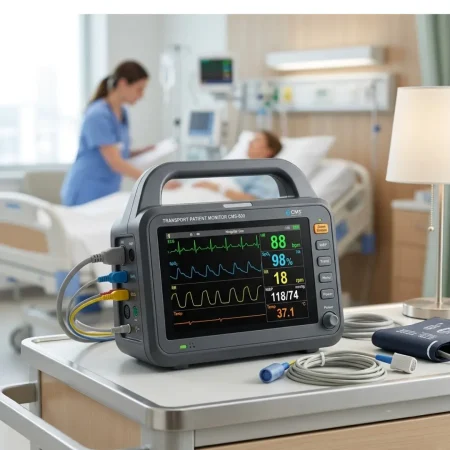
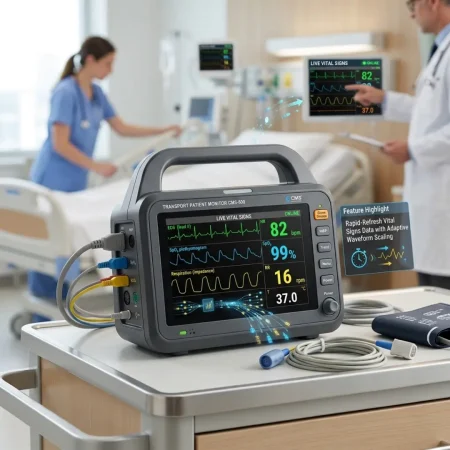
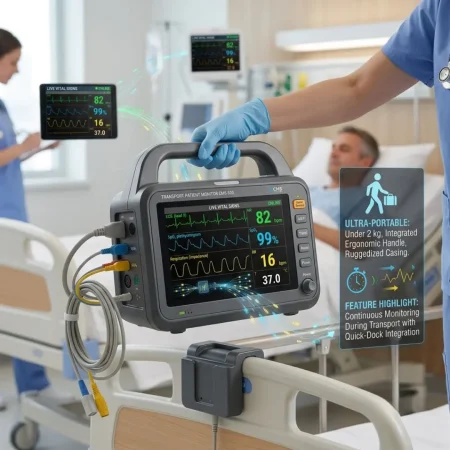
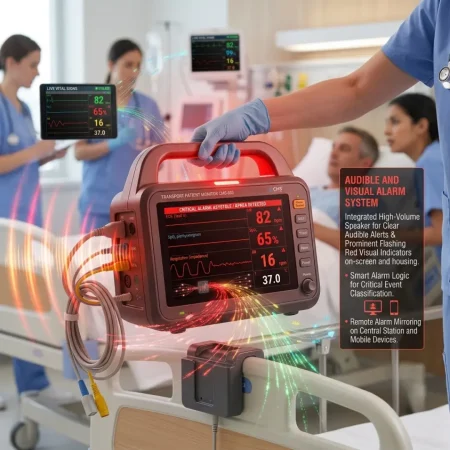
A Transport Patient Monitor is a compact medical monitoring device designed to continuously track essential vital signs while a patient is being moved between different healthcare areas. Depending on the model, it may monitor parameters such as ECG, SpO₂, NIBP, respiration rate, temperature, and pulse rate. Its lightweight design, durable construction, and battery-powered operation make it suitable for patient transfers, emergency care, ambulances, and bedside transportation. A clear digital display allows healthcare professionals to quickly review patient readings during movement. Some models may include alarms, trend monitoring, data storage, and easy-to-use controls. Proper sensor placement, battery maintenance, and trained operation are important for accurate and reliable monitoring during transportation.
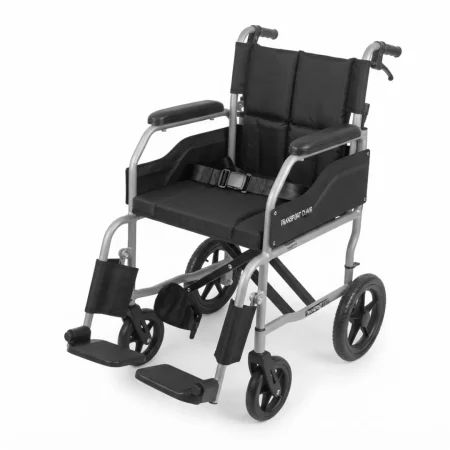

Transport Wheelchair
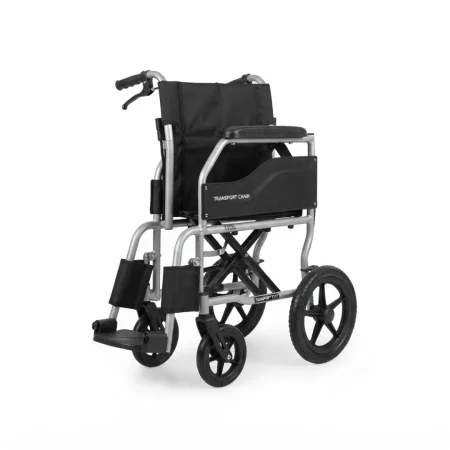
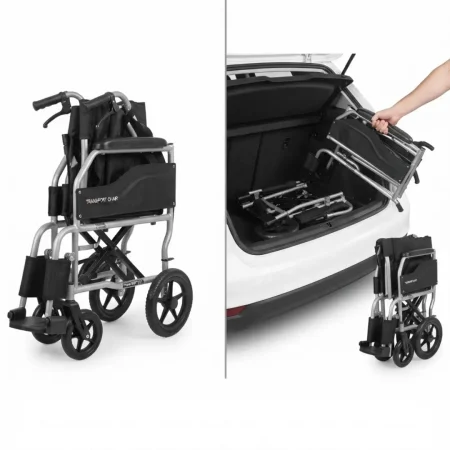
A Transport Wheelchair is a lightweight mobility aid designed to safely and conveniently move individuals with limited mobility over short distances. It is primarily operated by a caregiver using the push handles, making it suitable for hospitals, clinics, airports, shopping areas, and travel. The wheelchair typically features a compact frame, supportive seat and backrest, armrests, footrests, and smaller rear wheels for easy handling. Many models have a foldable design that allows convenient storage and transportation. Locking brakes provide stability during transfers and stops, while durable materials support regular use. Proper positioning, secure footrest placement, and adherence to the recommended weight capacity are important for safe and comfortable patient transportation.