
Products
- Home
- Hospital ICU Equipment
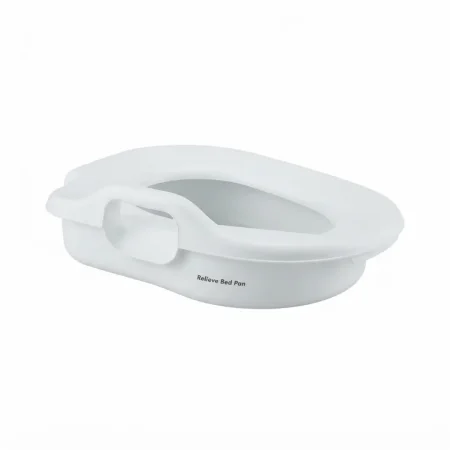
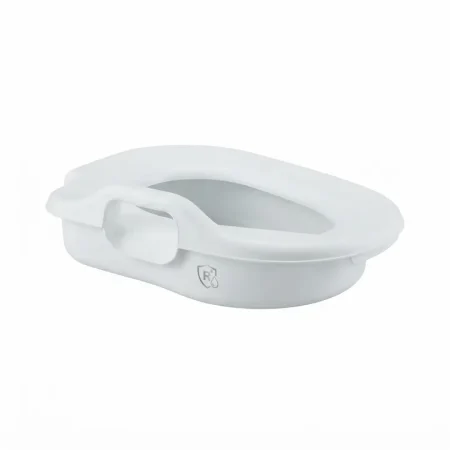
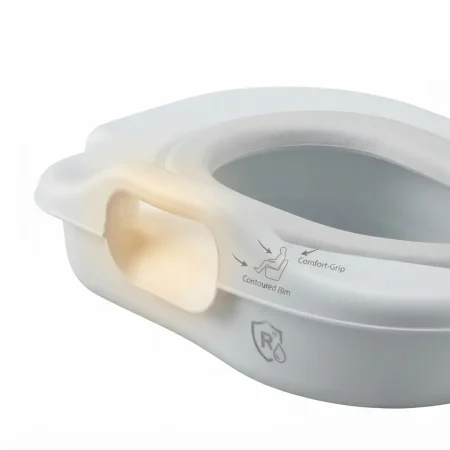

Bed Pan
A Bed Pan is a medical care accessory designed to help patients who are unable to get out of bed use the toilet comfortably and conveniently. It is commonly used in hospitals, nursing homes, clinics, rehabilitation centers, and home-care environments. Bed pans are typically made from durable, lightweight, and easy-to-clean materials, allowing convenient handling and hygienic maintenance. Their contoured design can provide better comfort and support during use. Some models may include handles or lids for easier transportation and disposal. Proper cleaning and disinfection are important to maintain hygiene and prevent contamination. Bed pans should be used according to healthcare facility procedures and appropriate caregiver guidance for patient safety and comfort.
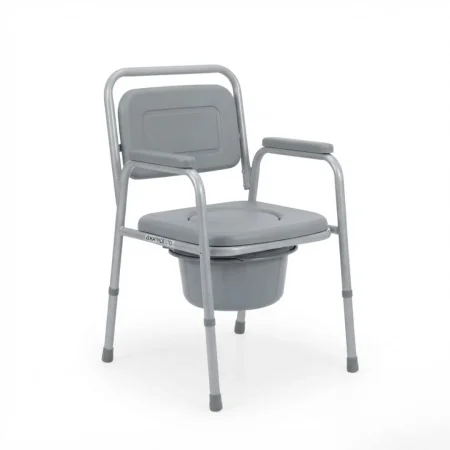
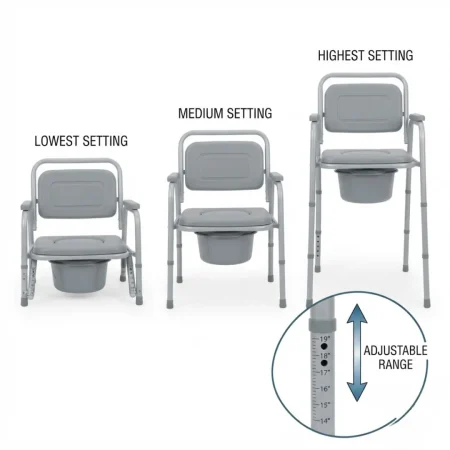
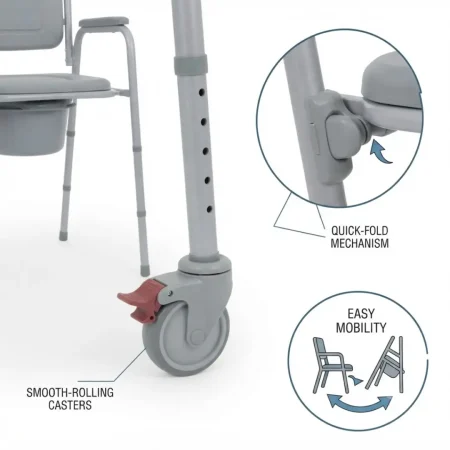

Bedside Commode Chair
A Bedside Commode Chair is a convenient toilet-support solution designed for individuals who have difficulty accessing a regular bathroom. It can be placed beside a bed and is commonly used in hospitals, nursing homes, rehabilitation centers, and home-care environments. The chair typically features a sturdy frame, comfortable seat, armrests, and a removable commode bucket for easy cleaning and disposal. Many models also include adjustable legs with non-slip rubber tips for improved stability and safety. Its compact design makes it practical for everyday patient care. Proper placement, regular cleaning, and secure positioning are important for safe use. Always follow the manufacturer’s guidelines and recommended weight capacity when using a bedside commode chair.
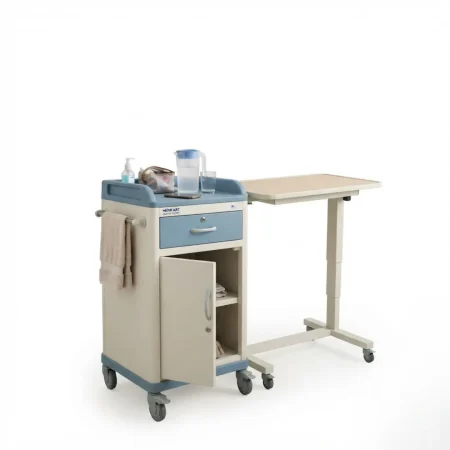
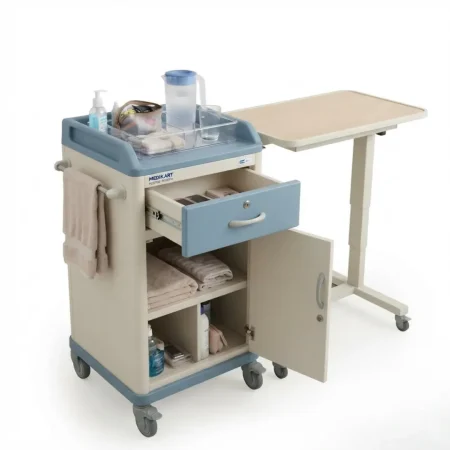
Bedside Locker
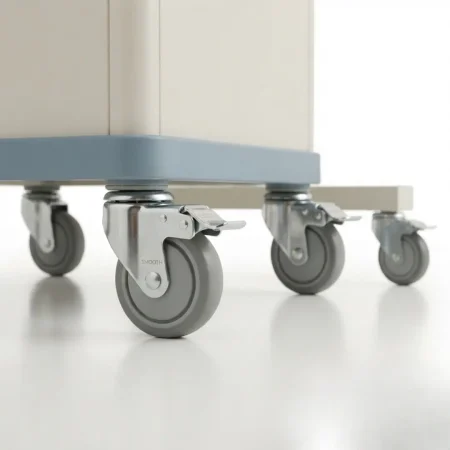
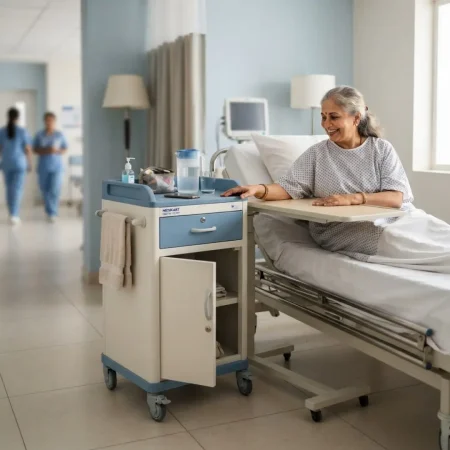
A Bedside Locker is a practical hospital furniture unit designed to provide convenient storage for patients’ personal belongings, medicines, and essential items. It is commonly placed beside hospital beds in hospitals, clinics, nursing homes, and healthcare facilities. The locker typically includes drawers, shelves, or compartments for organized storage and easy access. Its sturdy construction provides durability for regular use, while smooth and easy-to-clean surfaces support proper hygiene. Some models may feature a tabletop, lockable drawer, or wheels for added convenience and mobility. A compact design helps maximize available space around the patient’s bed. The bedside locker is an essential addition to patient-care environments, offering organization, accessibility, and everyday convenience.
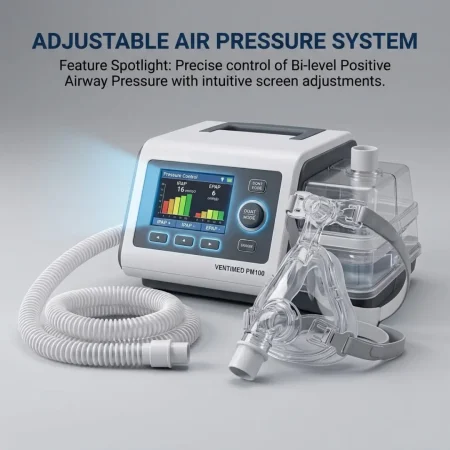
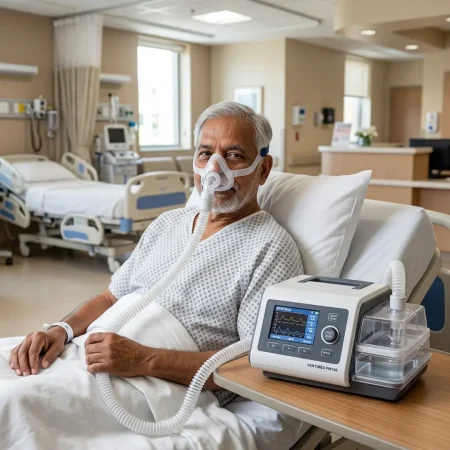
BIPAP Machine
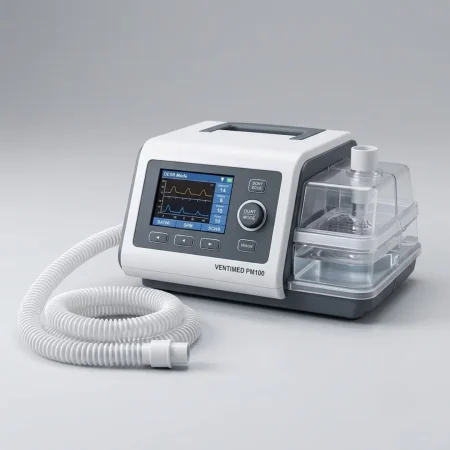
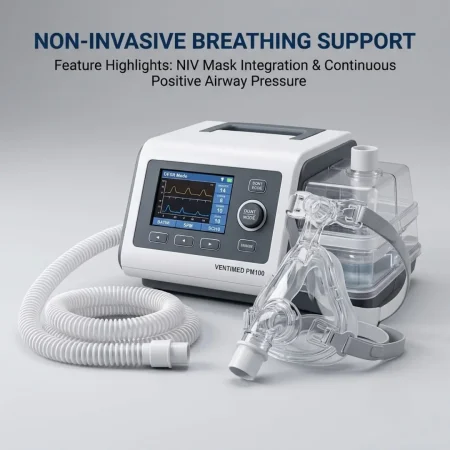
A BiPAP Machine is a non-invasive respiratory support device designed to assist breathing by delivering two different levels of positive airway pressure. It provides higher pressure during inhalation and lower pressure during exhalation, helping make breathing more comfortable for patients who require prescribed ventilation support. BiPAP machines are commonly used in hospitals, clinics, sleep-care centers, and home-care environments under professional guidance. Depending on the model, features may include adjustable pressure settings, digital displays, humidification systems, monitoring functions, and alarm alerts. A properly fitted mask helps deliver effective therapy and improve comfort. The machine should be configured according to a healthcare professional’s prescription, with regular cleaning and maintenance for safe and reliable operation.
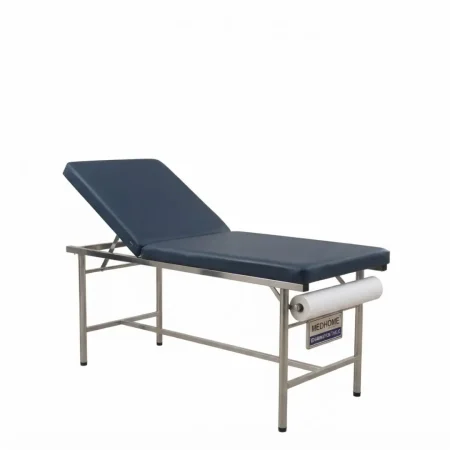
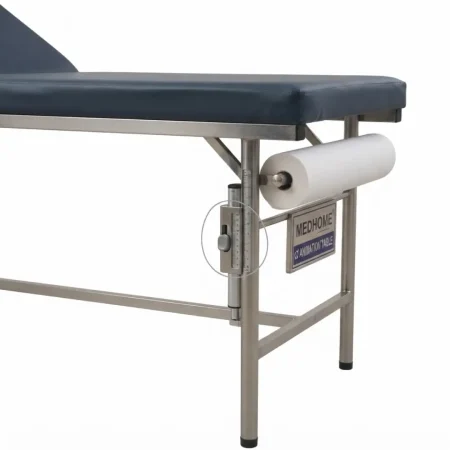
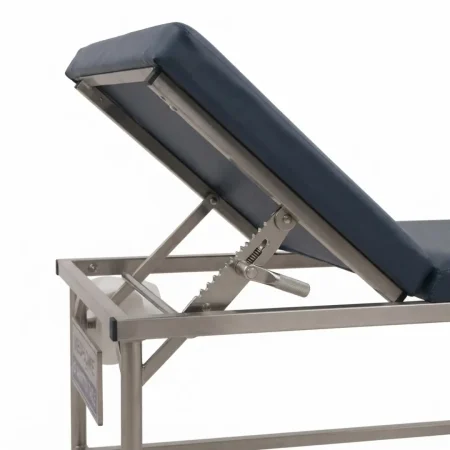
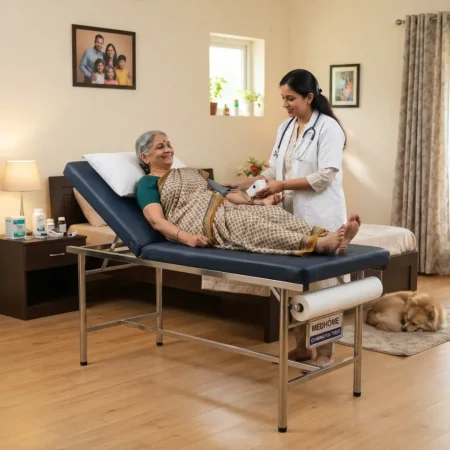
Examination Table
An Examination Table is a versatile medical furniture unit designed to provide a stable and comfortable surface for patient examinations, consultations, and routine clinical procedures. It is commonly used in hospitals, clinics, diagnostic centers, medical offices, and healthcare facilities. Depending on the model, it may feature a sturdy frame, cushioned mattress, adjustable backrest, height adjustment, and easy-to-clean upholstery. Some examination tables may also include paper roll holders, storage compartments, side rails, or adjustable sections for greater convenience. Its durable construction supports regular clinical use while maintaining stability and patient comfort. Proper cleaning and routine maintenance help maintain hygiene and extend the table’s service life. Proper operation according to manufacturer guidelines is recommended.
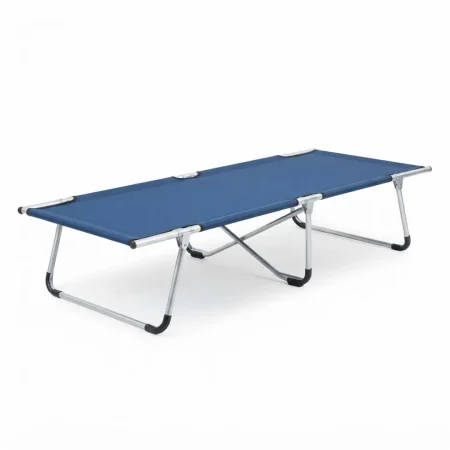
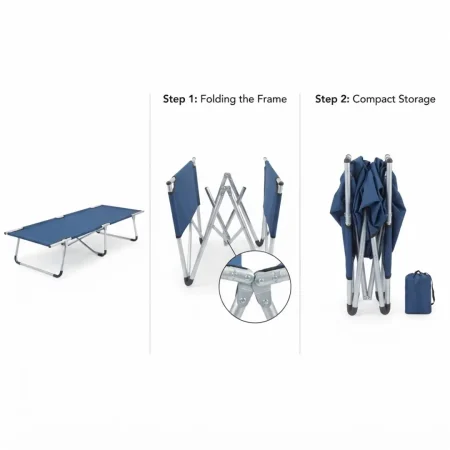
Foldable Stretcher
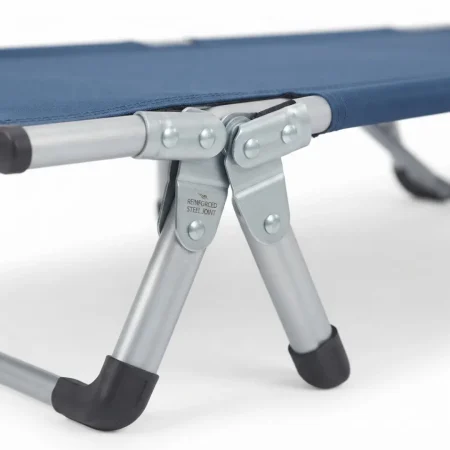
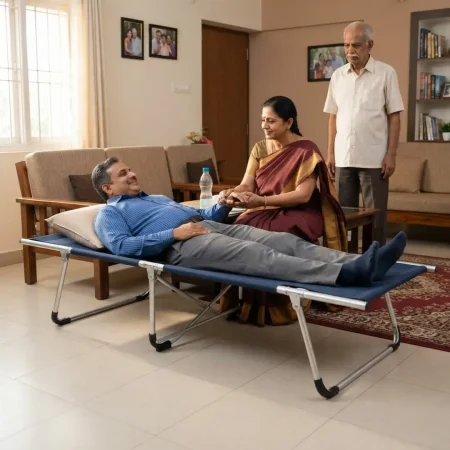
A Foldable Stretcher is a practical patient transport and emergency handling device designed to safely move individuals from one location to another. Its foldable construction allows convenient storage, transportation, and quick deployment when required. The stretcher typically features a durable yet lightweight frame, strong patient-support surface, secure handles, and safety straps for improved stability. Depending on the model, it may also include locking mechanisms, reinforced joints, and an easy-to-clean surface for better hygiene. Foldable stretchers are commonly used in hospitals, ambulances, clinics, rescue operations, emergency services, and disaster-response situations. Proper patient securing, careful handling, regular inspection, and maintenance are essential for safe and reliable operation.
Hospital Stretcher
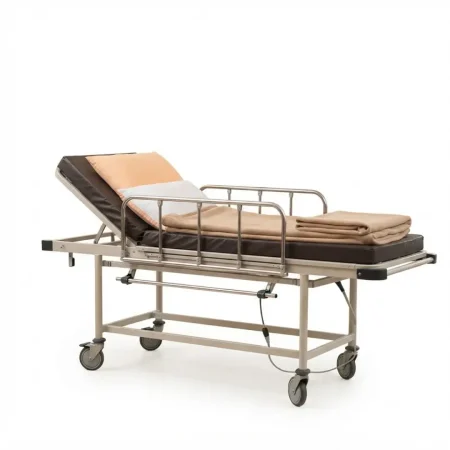
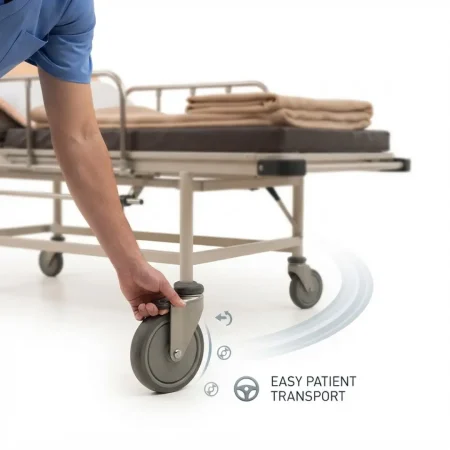
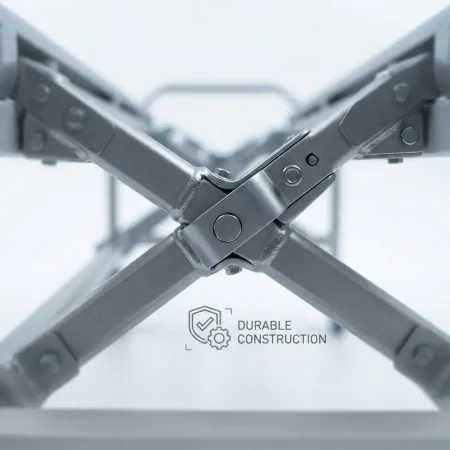
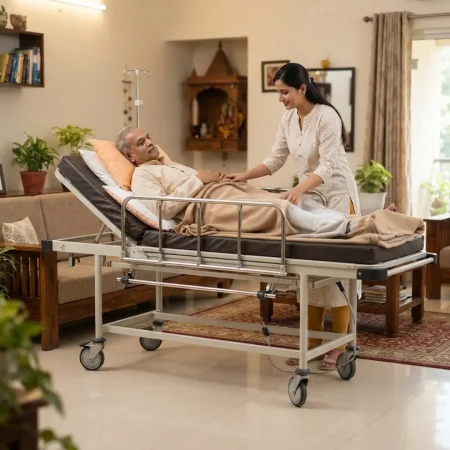
A Hospital Stretcher is a medical transport and patient-care device designed to safely move patients within hospitals, clinics, emergency departments, and healthcare facilities. Its sturdy frame and supportive mattress provide stability and comfort during transportation, examinations, and treatment. Depending on the model, it may feature adjustable backrest and height, safety side rails, locking casters, IV pole attachments, and patient safety straps. Smooth-rolling wheels allow caregivers to move the stretcher efficiently between departments and treatment areas. Its durable, easy-to-clean construction supports regular clinical use and helps maintain proper hygiene. Hospital stretchers should be operated by trained healthcare staff and routinely inspected to ensure safe, reliable, and comfortable patient transportation.
Infusion Pump
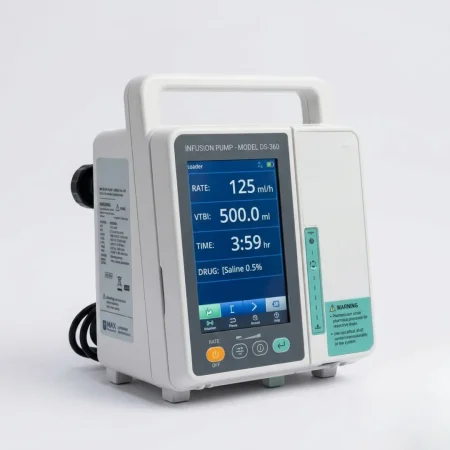
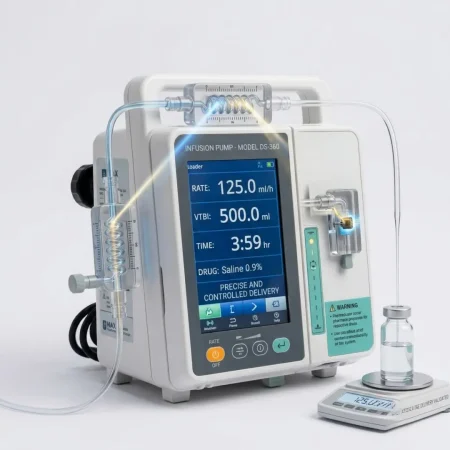
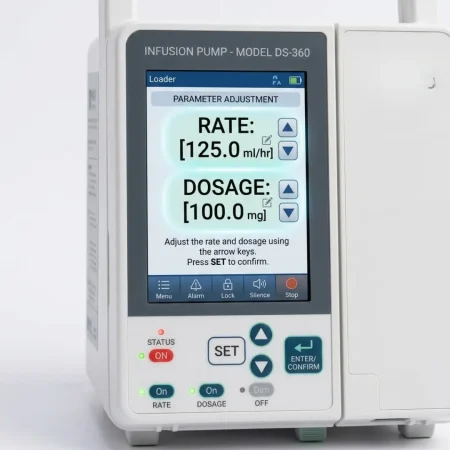
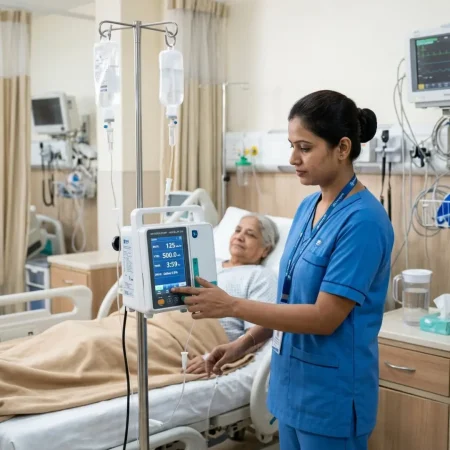
An Infusion Pump is a medical device designed to deliver controlled amounts of fluids, medications, nutrients, or other prescribed solutions into a patient’s body. It provides accurate and consistent fluid delivery at a programmed rate, helping healthcare professionals manage treatments efficiently. Infusion pumps are commonly used in hospitals, clinics, intensive care units, emergency departments, and home-care settings. Depending on the model, features may include programmable flow rates, digital displays, occlusion detection, air-in-line alarms, and battery backup. These safety features can help support reliable operation and patient monitoring. Proper setup, compatible infusion sets, regular maintenance, and trained operation are essential for safe and accurate fluid administration according to clinical requirements.
IV Stand
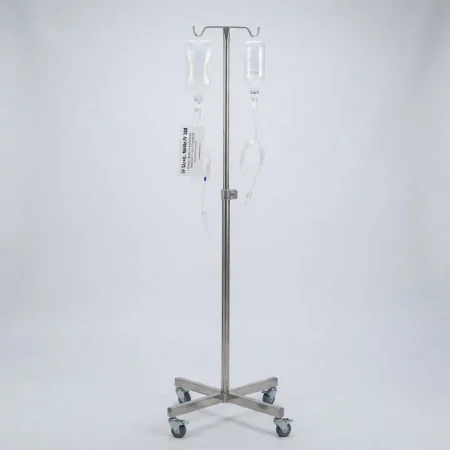
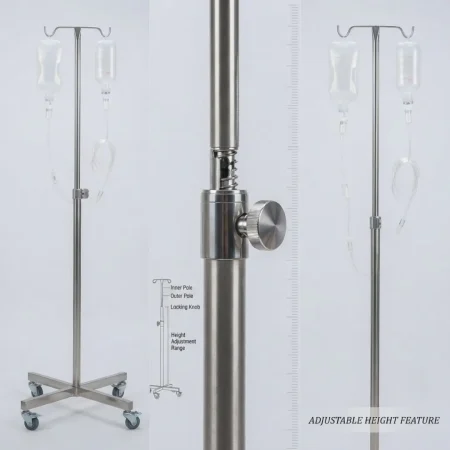
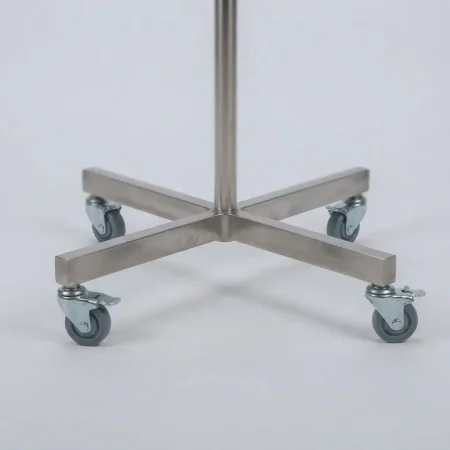
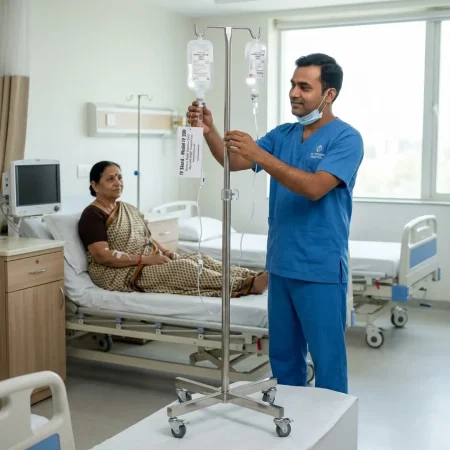
An IV Stand is a medical support equipment designed to hold intravenous fluid bags, medication containers, and infusion accessories securely during patient treatment. Its adjustable height allows healthcare professionals to position IV fluids at a suitable level for different patients and treatment requirements. The stand typically features a sturdy vertical pole, multiple hooks, a stable base, and smooth-rolling caster wheels for easy movement. IV stands are commonly used in hospitals, clinics, nursing homes, emergency departments, and home-care environments. Durable construction provides reliable support during regular use, while locking wheels can help maintain stability when required. Proper assembly, height adjustment, and routine inspection are important for safe and convenient operation.
Overbed Table
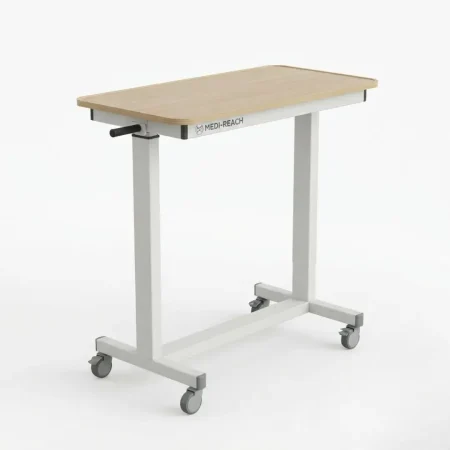
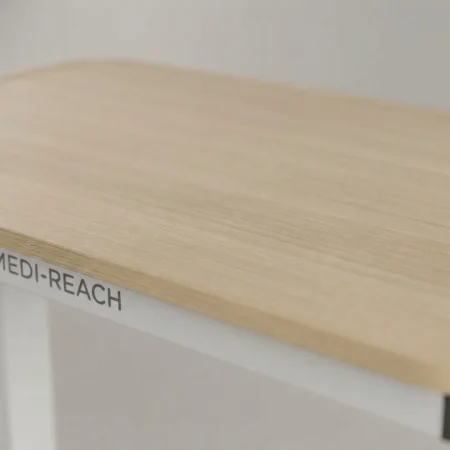
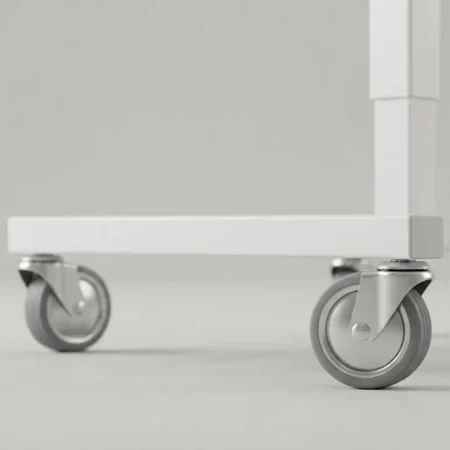
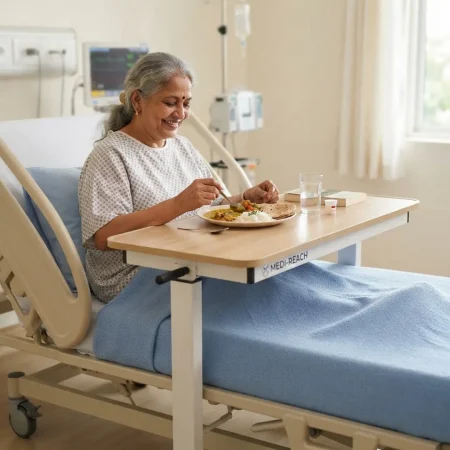
An Overbed Table is a practical hospital furniture solution designed to provide patients with a convenient surface for eating, reading, writing, using electronic devices, and keeping essential items within easy reach. Its height-adjustable design allows the table to be positioned comfortably over a hospital or home-care bed. Many models feature smooth-rolling casters, a sturdy frame, and a spacious tabletop for improved convenience. Some tables may also include tilt-adjustable surfaces or raised edges to help keep items secure. Overbed tables are commonly used in hospitals, clinics, nursing homes, rehabilitation centers, and home-care environments. Durable construction and easy-to-clean surfaces support regular use, hygiene, and long-term reliability.
Patient Back Rest
A Patient Back Rest is a practical healthcare support accessory designed to provide comfortable back support and help patients maintain a suitable sitting or reclining position. It can be used on beds or other appropriate surfaces to support activities such as eating, reading, resting, and interacting with caregivers. Depending on the model, it may feature an adjustable angle, sturdy metal frame, cushioned support, and durable, easy-to-clean material. Patient back rests are commonly used in hospitals, clinics, nursing homes, rehabilitation centers, and home-care environments. Their adjustable design can make positioning more convenient for both patients and caregivers. Proper placement, regular cleaning, and safe adjustment are important for comfortable and reliable use.
Patient Lifter
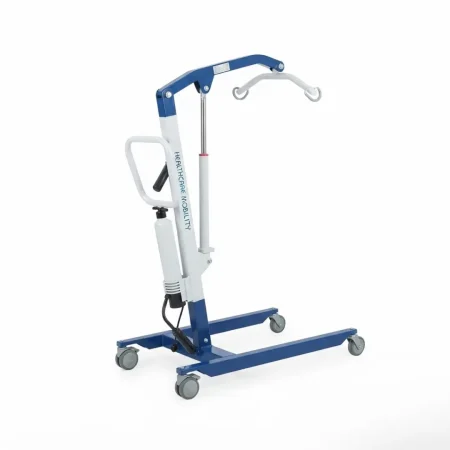
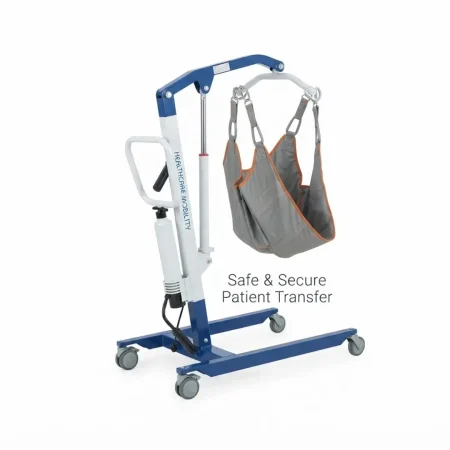
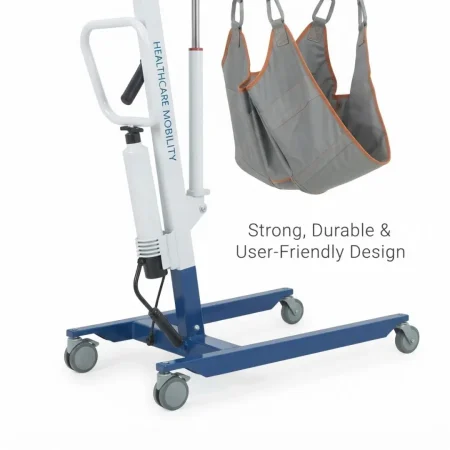
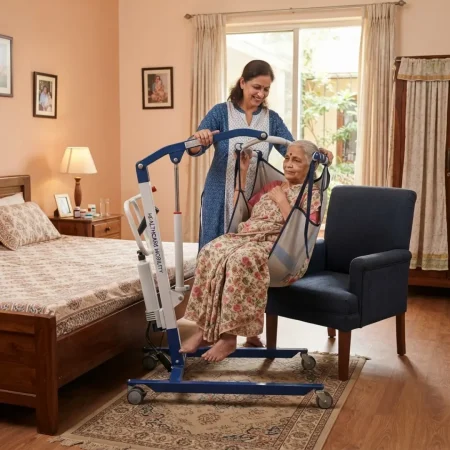
A Patient Lifter is a specialized patient-handling device designed to safely assist caregivers in transferring individuals with limited mobility between beds, wheelchairs, chairs, and other suitable surfaces. It uses a sturdy lifting frame and supportive sling to provide controlled movement while reducing the physical effort required from caregivers. Depending on the model, features may include powered or hydraulic lifting, adjustable legs, locking casters, emergency lowering, and comfortable sling options. Patient lifters are commonly used in hospitals, nursing homes, rehabilitation centers, clinics, and home-care environments. Proper sling selection, secure attachment, and careful operation are essential for safe transfers. The equipment should always be used according to manufacturer instructions and trained caregiver guidance.
Spine Board
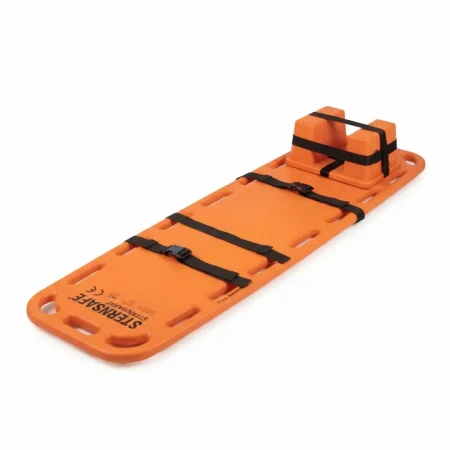
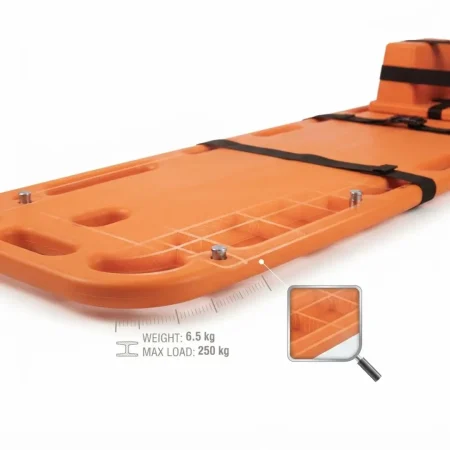
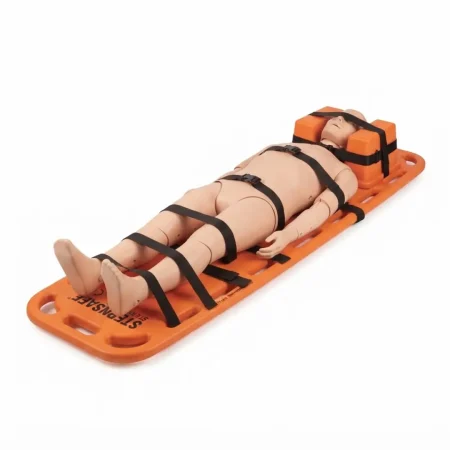
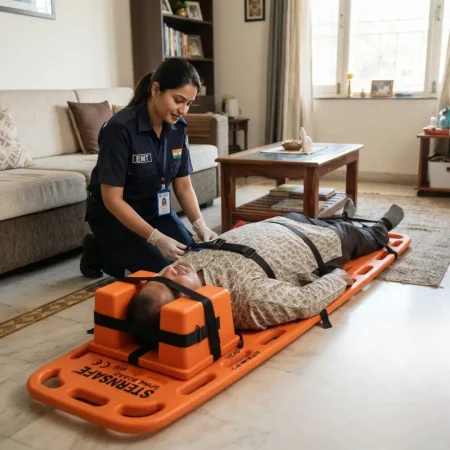
A Spine Board is an emergency patient-handling device designed to provide a firm, stable surface for moving and transporting individuals with suspected spinal or traumatic injuries. Its rigid construction helps support the body during emergency evacuation, assessment, and transfer. The board typically includes multiple handholds, secure strapping points, and a smooth, easy-to-clean surface for convenient handling and hygiene. Spine boards are commonly used by hospitals, ambulances, emergency medical teams, rescue services, and disaster-response personnel. Their lightweight design can make transportation easier while providing dependable support. Proper patient securing and trained handling are essential during use. The spine board should be inspected and maintained regularly according to manufacturer and emergency-care guidelines.
Syringe Pump
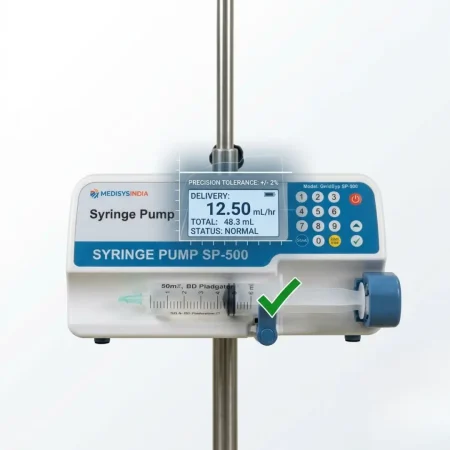
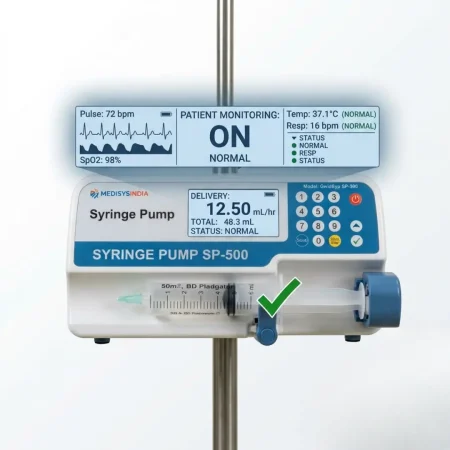
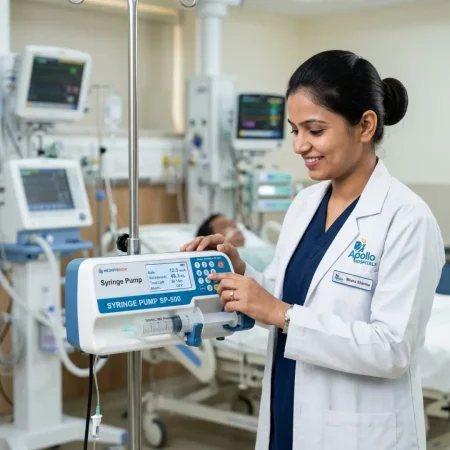
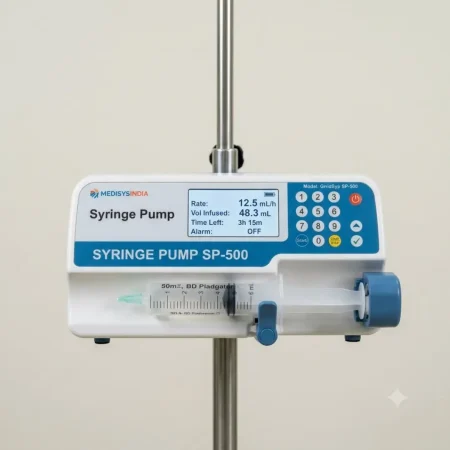
A Syringe Pump is a medical infusion device designed to deliver precise amounts of medication, fluids, or other prescribed solutions through a syringe at a controlled rate. It uses a motorized mechanism to move the syringe plunger steadily, allowing accurate and consistent delivery over a selected period. Syringe pumps are commonly used in hospitals, intensive care units, operating rooms, clinics, and neonatal care settings. Depending on the model, features may include adjustable infusion rates, digital displays, occlusion detection, syringe recognition, alarm systems, and battery backup. Proper syringe selection, secure installation, correct programming, and regular maintenance are essential for safe operation. The device should always be used by trained healthcare professionals.
Urinal Pot
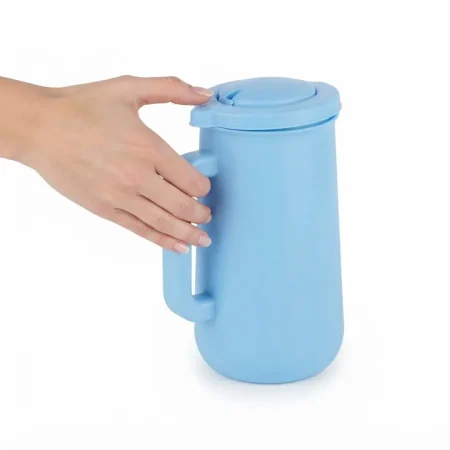
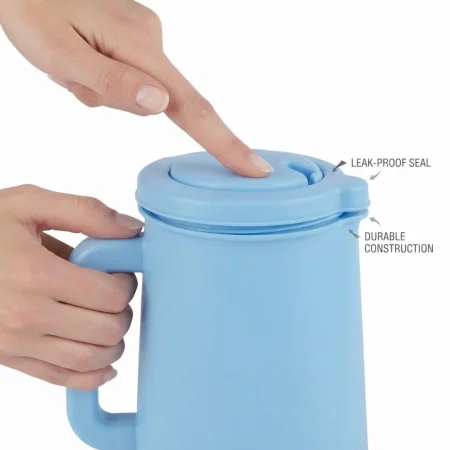
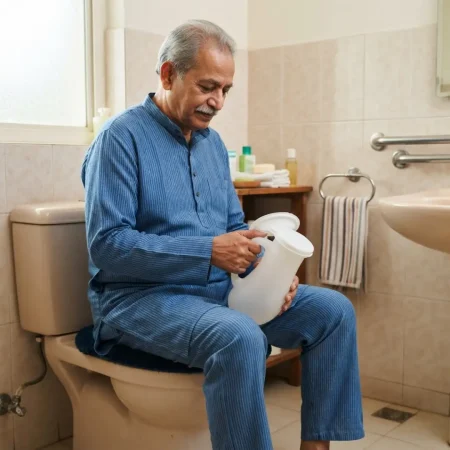
A Urinal Pot is a practical healthcare accessory designed to help patients who are unable to conveniently access a toilet due to limited mobility, illness, or bed rest. It provides a convenient solution for collecting urine while the patient remains in bed or in a seated position. Urinal pots are commonly used in hospitals, clinics, nursing homes, rehabilitation centers, and home-care environments. They are typically made from durable, lightweight, and easy-to-clean materials for regular use. Depending on the design, features may include an ergonomic shape, secure grip, wide opening, and easy-pour design. Proper cleaning, disinfection, and hygienic handling are essential after each use to maintain cleanliness and patient comfort.
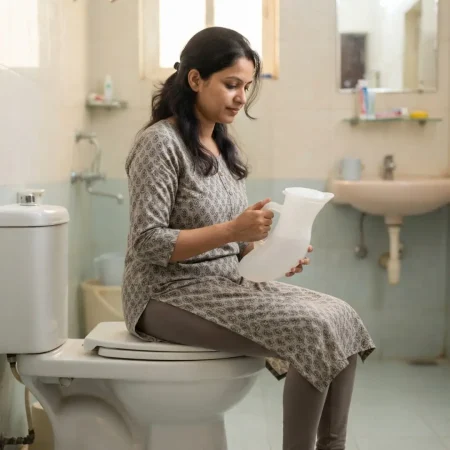
Urinal Pot (Female)
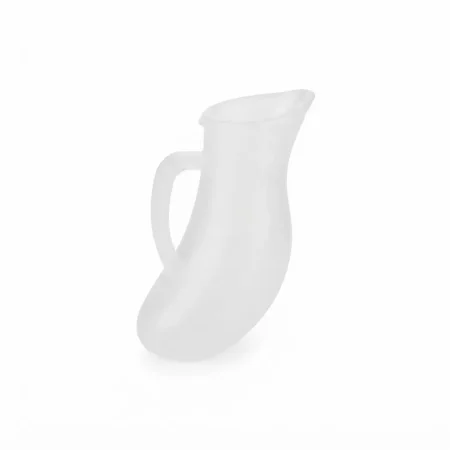
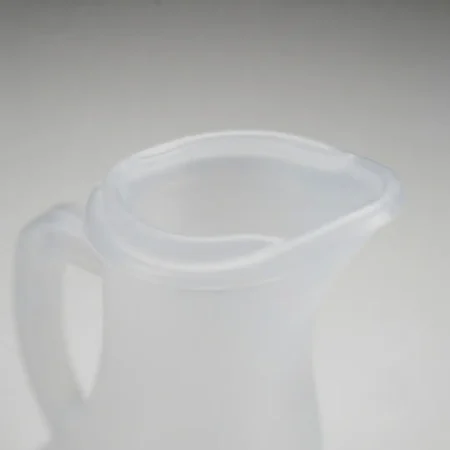
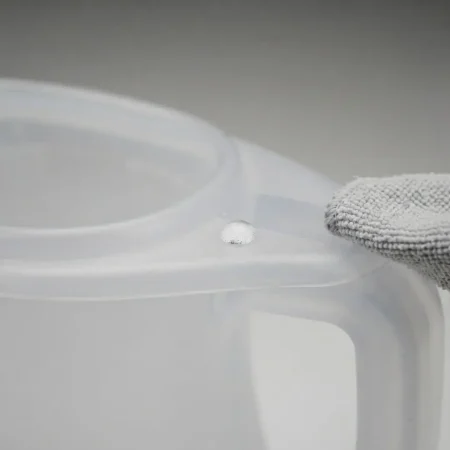
A Urinal Pot (Female) is a specially designed healthcare accessory that provides a convenient solution for women who need to urinate while bedridden, have limited mobility, or cannot easily access a toilet. Its ergonomic shape is designed to provide comfortable and practical use while helping prevent spills during collection. Female urinal pots are commonly used in hospitals, clinics, nursing homes, rehabilitation centers, and home-care environments. They are generally made from durable, lightweight, and easy-to-clean materials suitable for regular use. Depending on the design, features may include a comfortable opening, secure grip, spill-resistant shape, and easy-pour outlet. Proper cleaning, disinfection, and hygienic handling after each use are essential for maintaining cleanliness and patient comfort.
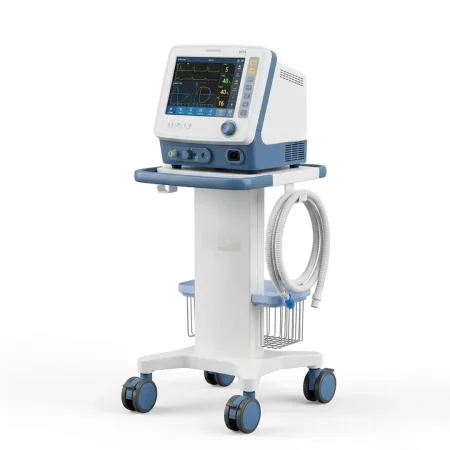
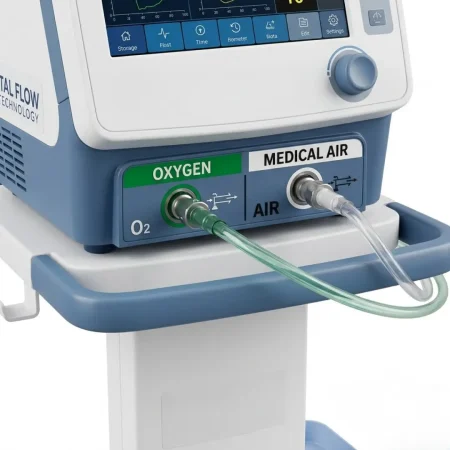
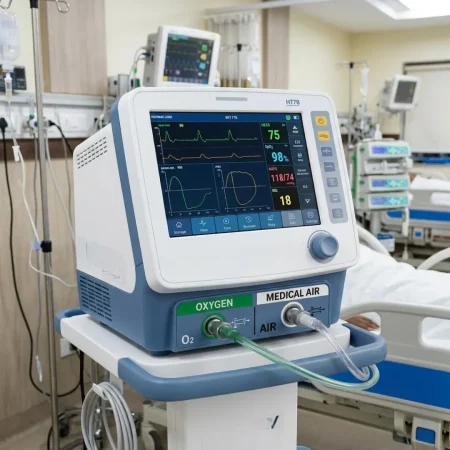
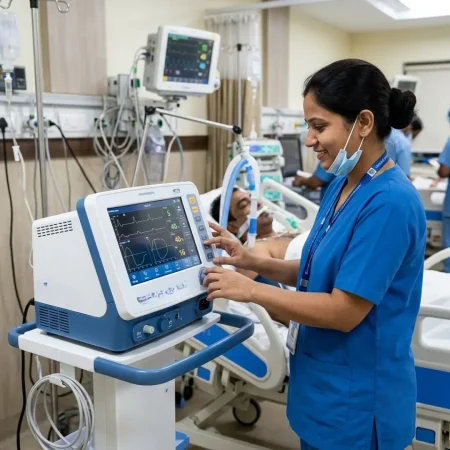
Ventilator
A Ventilator is a medical respiratory support device designed to assist patients who are unable to breathe adequately on their own. It delivers controlled amounts of air and oxygen to the lungs through an appropriate breathing interface or airway. Depending on the model, ventilators may provide different ventilation modes, adjustable pressure and volume settings, monitoring functions, and audible or visual alarms. They are commonly used in hospitals, intensive care units, emergency departments, operating rooms, and specialized respiratory care facilities. The device helps healthcare professionals manage respiratory support according to individual patient requirements. Proper setup, continuous monitoring, regular maintenance, and operation by trained healthcare professionals are essential for safe and effective use.